
AFCI vs GFCI: What Los Angeles Homeowners Need to Know About Circuit Protection
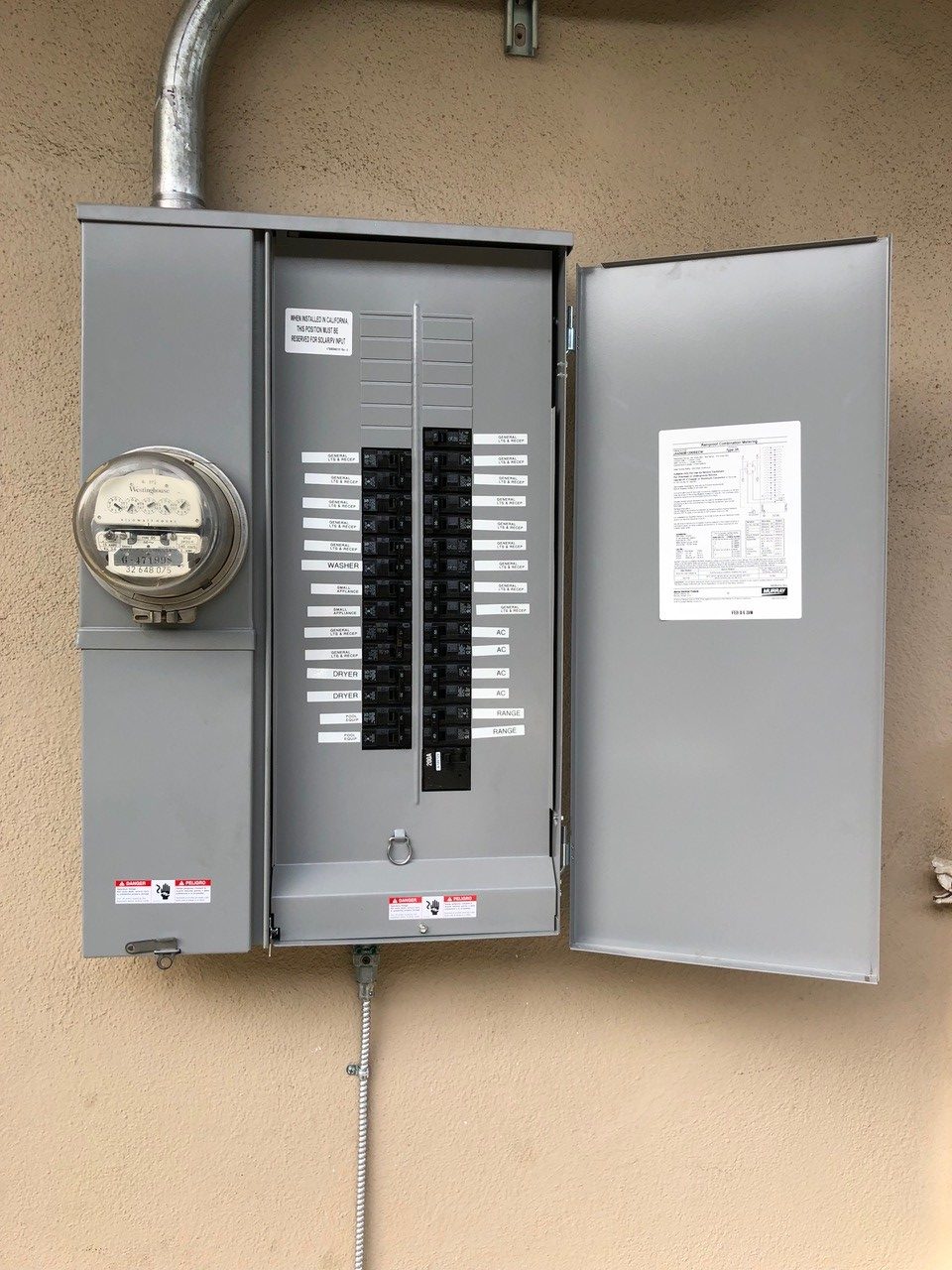
Introduction
Modern electrical safety goes far beyond traditional circuit breakers. If you're a Los Angeles homeowner planning a renovation, upgrading your electrical panel, or simply want to ensure your home meets current safety standards, understanding AFCI and GFCI protection is essential. These two types of specialized circuit protection devices have become mandatory in California homes for good reason—they save lives and prevent fires.
At Shaffer Construction, we've installed thousands of AFCI and GFCI devices throughout Los Angeles homes, and homeowners often ask us the same questions: What's the difference? Where are they required? Do I really need both? This comprehensive guide answers all these questions and explains what every Los Angeles homeowner needs to know about modern circuit protection.
Understanding Standard Circuit Breakers
Before diving into AFCI and GFCI technology, let's establish a baseline. Standard circuit breakers have protected homes for decades using thermal-magnetic operation. They monitor the amount of current flowing through a circuit and trip when they detect an overload (too many appliances drawing power) or a short circuit (hot wire touching ground or neutral).
While standard breakers excel at preventing fires from overloaded circuits and short circuits, they have limitations. They don't protect against two critical electrical hazards: ground faults that can electrocute people, and arc faults that can start fires without overloading the circuit. This is where GFCI and AFCI protection come in—they address the dangerous gaps that standard breakers cannot detect.
Think of it this way: standard breakers are like your home's smoke detectors—essential but not comprehensive. AFCI and GFCI devices are like adding carbon monoxide detectors and sprinkler systems. Each addresses specific threats that the others cannot.
What is a GFCI (Ground Fault Circuit Interrupter)?
A Ground Fault Circuit Interrupter, commonly called a GFCI, is a life-saving device designed to protect people from electrical shock. GFCIs have been around since the 1960s and have prevented countless electrocutions, particularly in wet areas where the risk is highest.
Here's how they work: A GFCI continuously monitors the current flowing through both the hot (black) and neutral (white) wires. Under normal operation, these currents should be perfectly balanced—whatever flows out through the hot wire should return through the neutral wire. If there's even a tiny imbalance of just 4-6 milliamps—indicating current is leaking to ground through an unintended path (like through a person touching a faulty appliance)—the GFCI cuts power in as little as 1/40th of a second.
This lightning-fast response is crucial because it takes only 10-20 milliamps of current flowing through the human heart to cause ventricular fibrillation, a potentially fatal condition. By cutting power before dangerous levels are reached, GFCIs have dramatically reduced electrocution deaths in American homes.
For Los Angeles homeowners, GFCI protection is particularly important given our indoor-outdoor lifestyle. Pools, spas, outdoor kitchens, and patio entertainment areas all create situations where water and electricity coexist, making GFCI protection not just required by code, but genuinely life-saving.
Where GFCIs Are Required in California
California's electrical code, based on the National Electrical Code with state-specific amendments, mandates GFCI protection in numerous locations throughout your home. The general principle is simple: anywhere water and electricity might meet, GFCI protection is required.
All bathroom receptacles must have GFCI protection—no exceptions. This includes outlets near sinks, vanities, and anywhere else in the bathroom. In kitchens, all countertop receptacles require GFCI protection, as do outlets within six feet of any sink, including wet bar areas and laundry sinks.
Outdoor receptacles universally require GFCI protection. Whether you're plugging in holiday lights, power tools, or outdoor entertainment systems, every exterior outlet must be GFCI protected. The same applies to garage receptacles, unfinished basements, crawl spaces, and any receptacles in accessory buildings like workshops or sheds.
Pool, spa, and hot tub equipment require comprehensive GFCI protection. Given Los Angeles's pool and spa culture, this is particularly relevant to local homeowners. All pool equipment, underwater lighting, and receptacles within 20 feet of the pool's edge must have GFCI protection. This is non-negotiable and heavily scrutinized during inspections.
Laundry areas now require GFCI protection as well, a requirement that expanded in recent code updates. This often surprises homeowners with older installations, but it makes sense—washing machines involve both water and electricity, creating potential shock hazards.
GFCI Receptacles vs GFCI Breakers
You can achieve GFCI protection two ways: through GFCI receptacles or GFCI breakers. Understanding the difference helps you make informed decisions about your home's electrical system.
GFCI receptacles are the familiar outlets with test and reset buttons, typically found in bathrooms and kitchens. They cost approximately $15-30 per receptacle and can be installed at individual outlet locations. One significant advantage is that a single GFCI receptacle can protect additional standard outlets downstream if wired correctly. When a GFCI receptacle trips, you can reset it right at the outlet—convenient when you're standing in the bathroom with a wet hand that just caused the trip.
GFCI receptacles work well for point-of-use protection and are ideal when you only need GFCI protection at specific locations. They're also easier to troubleshoot because you know exactly where the fault occurred. However, in rooms with multiple outlets, installing individual GFCI receptacles at each location can become expensive.
GFCI breakers install in your electrical panel and protect the entire circuit. They cost approximately $40-60 per breaker and take up two spaces in your panel (double the space of a standard breaker). GFCI breakers make sense when an entire circuit needs protection, when you have hard-wired appliances that need GFCI protection, or when you have many outlets on the same circuit that all need GFCI protection.
The main drawback of GFCI breakers is inconvenience when they trip—you have to go to your electrical panel to reset them rather than resetting at the point of use. However, for comprehensive whole-circuit protection, they're often the most cost-effective solution.
What is an AFCI (Arc Fault Circuit Interrupter)?
Arc Fault Circuit Interrupters represent newer technology designed to prevent electrical fires. While GFCIs protect people, AFCIs protect buildings. Understanding arc faults requires knowing what electrical arcing is and why it's dangerous.
Normal electrical arcing occurs routinely in your home—every time you flip a light switch, a tiny controlled arc occurs. This is harmless and expected. Dangerous arcing occurs when electrical current jumps across a gap it shouldn't, creating temperatures that can exceed 10,000 degrees Fahrenheit. These dangerous arcs can occur from damaged wire insulation, loose connections, nails or screws driven through wires, rodent damage, or deteriorating wiring.
The problem with arc faults is that they often don't draw enough current to trip a standard breaker. A dangerous arc creating thousands of degrees of heat might only draw 5-10 amps—well below the 15-20 amp threshold that would trip a standard breaker. This allows the arc to persist, potentially igniting nearby insulation, wood framing, or other combustible materials.
AFCIs use sophisticated electronics to analyze the electrical waveform and detect the unique signatures of dangerous arcing. They can distinguish between normal arcing (like switch operation) and dangerous arcing (like damaged wires). When dangerous arcing is detected, the AFCI cuts power before a fire can start.
For Los Angeles homeowners, especially those in older homes, AFCI protection addresses a real risk. Many LA homes built in the 1950s-1970s have aging wiring that may have been damaged over the years by renovations, pests, or simple deterioration. AFCI protection provides a critical safety layer for these hidden hazards.
Where AFCIs Are Required in California
California has progressively expanded AFCI requirements over the years, and the 2025 California Electrical Code now requires AFCI protection for virtually all habitable rooms in dwelling units.
AFCI protection is mandatory for all 120-volt, single-phase, 15- and 20-ampere branch circuits supplying outlets or devices installed in kitchens, family rooms, dining rooms, living rooms, parlors, libraries, dens, bedrooms, sunrooms, recreation rooms, closets, hallways, and laundry areas. This essentially covers every habitable space in your home.
The progression has been gradual. Bedrooms first required AFCI protection in 1999. The requirement expanded to family rooms, dining rooms, living rooms, and similar spaces in 2008. The 2025 code further expanded coverage to include kitchens and laundry areas—previously, these spaces required GFCI protection but not necessarily AFCI protection.
Importantly, AFCI protection must be combination-type, meaning it protects against both parallel arcs (hot to neutral or hot to ground) and series arcs (within a single conductor). You cannot use older branch/feeder-type AFCI breakers for new installations—they don't provide comprehensive enough protection.
One exception exists: if you're extending an existing circuit by less than six feet without adding any outlets or devices (other than splicing), AFCI protection isn't required for that extension. However, for any substantial electrical work—adding circuits, replacing panels, or renovating rooms—AFCI protection is mandatory.
Rooms Requiring Both AFCI and GFCI Protection
Here's where it gets interesting: some rooms in your home need both AFCI and GFCI protection. This overlap creates unique challenges and solutions that you should understand.
Laundry rooms are the most common example. They require GFCI protection because of water hazards from washing machines and laundry sinks. They also require AFCI protection as a habitable space. Similarly, if you have a bedroom with a sink (increasingly common in primary suites), that circuit needs both types of protection.
Kitchens under the 2025 California Electrical Code present another scenario where both protections may be required. Kitchen countertop receptacles need GFCI protection, but the kitchen circuits also now require AFCI protection.
You have two options for providing both AFCI and GFCI protection. First, you can install an AFCI breaker at the panel and use GFCI receptacles at the outlets. This combination provides comprehensive protection and typically costs $50-70 in materials ($40-60 for the AFCI breaker plus $15-30 for GFCI receptacles).
Second, you can install a dual-function AFCI/GFCI breaker that provides both types of protection from the electrical panel. These combination breakers cost approximately $50-80 and elegantly solve the problem with a single device. Shaffer Construction often recommends dual-function breakers for new installations or panel upgrades because they're cost-effective, reliable, and simplify troubleshooting.
Common AFCI and GFCI Issues and Solutions
While AFCI and GFCI devices provide essential protection, they can occasionally cause frustration through nuisance tripping or false positives. Understanding common issues helps you respond appropriately.
AFCI breakers can be sensitive to certain electronic loads. Vacuum cleaners, treadmills, and some LED lights can create electrical signatures that resemble arc faults, causing the breaker to trip. While this might seem like a false alarm, it often indicates a real issue—the device may have a marginal electrical problem that's not quite bad enough to fail but generates concerning electrical signatures.
If an AFCI breaker trips repeatedly with a specific appliance, don't just bypass the protection. First, try the appliance on a different circuit to determine if the issue is with the appliance or the circuit. If the appliance trips AFCIs on multiple circuits, it likely needs service or replacement. If only one circuit trips, the circuit may have underlying issues that need professional diagnosis.
GFCI tripping is most commonly caused by moisture. In Los Angeles's coastal areas, salt air can accelerate corrosion in electrical connections, leading to ground faults. Outdoor GFCI outlets near irrigation systems or in areas exposed to morning dew often trip. This isn't a nuisance—it's the GFCI doing its job by detecting real ground faults caused by moisture.
Worn appliances with deteriorating insulation can develop ground leakage that trips GFCIs. If your bathroom GFCI trips every time you use your hair dryer, the hair dryer likely has an insulation problem and should be replaced. Similarly, outdoor power tools that trip GFCIs may have damaged cords or internal moisture issues.
One common problem in older Los Angeles homes is shared neutral circuits. Some older installations incorrectly shared a neutral wire between two circuits. This creates problems with GFCI protection because the current imbalance appears as a ground fault. Correcting shared neutrals requires professional rewiring—something Shaffer Construction frequently addresses during residential electrical safety inspections.
Testing is simple but essential. Both AFCI and GFCI devices have test buttons that simulate a fault condition. Press the test button monthly—the device should trip immediately. Press reset to restore power. If the device won't trip when tested or won't reset after testing, it has failed and must be replaced. Don't ignore a failed GFCI or AFCI—you're living without the protection you think you have.
Retrofit Requirements in Los Angeles
A common question Los Angeles homeowners ask is: do I need to upgrade my entire house to add AFCI and GFCI protection? The answer is nuanced.
California code doesn't require you to retrofit your entire existing home immediately. However, AFCI and GFCI protection becomes mandatory when you alter or add to your electrical system. Specifically, you must provide appropriate protection when adding new circuits, replacing your electrical panel, renovating rooms, or substantially altering existing circuits.
When you replace your electrical panel, all new circuits must meet current AFCI and GFCI requirements. This is why electrical panel upgrades often include significant costs beyond just the panel itself—all those inexpensive standard breakers get replaced with more expensive AFCI, GFCI, or dual-function breakers.
Renovations trigger compliance requirements. If you're remodeling your kitchen, all the electrical work must comply with current code, including AFCI and GFCI requirements. You can't simply replace outlets with standard receptacles—they must be GFCI protected. The circuits serving those outlets must have AFCI protection. This is one reason renovation electrical work costs more than homeowners expect.
Even if not required, retrofitting AFCI and GFCI protection is wise, especially in older Los Angeles homes. Homes built in the 1950s-1970s have aging wiring that wasn't designed for modern loads. Adding AFCI protection to bedroom and living area circuits, even if not legally required, provides valuable fire protection. Similarly, adding GFCI protection to garage and outdoor circuits that predate these requirements dramatically improves safety.
Shaffer Construction often recommends phased upgrades for homeowners concerned about costs. When we're already working in your electrical panel for other reasons, adding AFCI or GFCI breakers to critical circuits adds minimal labor cost. Over time, you can systematically upgrade your home's protection without the expense of a complete panel replacement.
Cost Considerations for Los Angeles Homeowners
Understanding costs helps you budget for proper electrical protection. While AFCI and GFCI devices cost more than standard breakers and receptacles, the investment is modest compared to the value of the protection they provide.
GFCI receptacles typically cost $15-30 each, compared to $1-2 for standard receptacles. GFCI breakers cost approximately $40-60, compared to $5-10 for standard breakers. AFCI breakers also cost approximately $40-60. Dual-function AFCI/GFCI breakers cost approximately $50-80, which is actually a bargain considering you're getting both types of protection in a single device.
Installation labor varies depending on the specific work. Replacing a standard outlet with a GFCI outlet is straightforward and typically costs $75-150 including the device and labor. Installing a GFCI or AFCI breaker costs approximately the same when done as part of other panel work, though the cost increases if we need to open your panel specifically for that purpose.
When we perform electrical panel upgrades in Los Angeles, we typically budget $40-80 per circuit for upgrading from standard breakers to AFCI, GFCI, or dual-function breakers. For a typical panel with 20-30 circuits, this adds $800-2,400 to the project cost—significant but not prohibitive, especially considering the enhanced safety.
The long-term value justifies the expense. AFCI and GFCI protection prevents fires and electrocutions. Insurance companies recognize this value—some offer premium discounts for homes with comprehensive GFCI and AFCI protection. When selling your home, documented electrical safety upgrades appeal to safety-conscious buyers and can help justify your asking price.
Code compliance also has value. Unpermitted electrical work or work that doesn't meet current code creates problems when selling your home. Home inspectors flag these issues, buyers negotiate price reductions, and sometimes sales fall through entirely. Investing in proper AFCI and GFCI protection during renovations avoids these problems and ensures your work adds value rather than creating liabilities.
Special Considerations for Los Angeles Homes
Los Angeles's unique characteristics create specific scenarios where AFCI and GFCI protection is particularly important.
Our indoor-outdoor lifestyle means outdoor electrical outlets see heavy use. Patio entertainment areas, outdoor kitchens, and yard lighting systems all require GFCI protection. Many older LA homes have outdoor outlets that predate GFCI requirements. Upgrading these outlets isn't just about code compliance—it's about protecting family and guests who use these spaces constantly in our year-round outdoor weather.
Swimming pools and spas are ubiquitous in Los Angeles, creating comprehensive GFCI requirements around these amenities. All pool equipment, underwater lighting, and receptacles within 20 feet of the pool edge must have GFCI protection. Pool renovations or equipment upgrades must include GFCI verification. Shaffer Construction includes thorough GFCI testing in all pool-related electrical work because the stakes are simply too high to take chances.
Older homes built before 1990 likely lack proper AFCI and GFCI protection. Many Los Angeles neighborhoods feature beautiful mid-century homes with aging electrical systems. These homes have wiring that's 50-70 years old, potentially damaged by decades of Southern California heat, previous renovations, or pest activity. AFCI protection in these homes isn't just about code compliance—it's genuinely protective against fire risks from deteriorating wiring.
Garage workshops are popular in Los Angeles, and many homeowners use their garages as hobby spaces with power tools, refrigerators, and entertainment systems. All garage receptacles require GFCI protection, and if you're adding circuits for workshop equipment, those circuits also need AFCI protection. This combination ensures protection against both shock hazards and fire risks in these multi-use spaces.
Earthquake considerations also matter. Following seismic events, electrical systems can sustain damage that creates both arc fault and ground fault hazards. AFCI and GFCI protection provides a safety layer after earthquakes by detecting and interrupting these fault conditions before they cause injury or fire. While we can't earthquake-proof electrical systems entirely, comprehensive AFCI and GFCI protection significantly improves post-earthquake safety.
The Importance of Professional Installation
While some electrical work might seem suitable for DIY enthusiasts, AFCI and GFCI installation is complex enough that professional installation is essential and legally required in California.
California law requires licensed electricians for most electrical work beyond basic repairs. Installing circuit breakers, adding circuits, and panel work all require licensed contractors. This isn't arbitrary bureaucracy—electrical work affects life safety, and improper installation creates serious hazards.
Proper AFCI and GFCI installation requires expertise. GFCI receptacles have line and load terminals that must be wired correctly, or downstream protection won't work. AFCI breakers require proper panel compatibility—not all AFCI breakers work in all panels, and using incompatible breakers creates fire hazards. Dual-function breakers may require neutral connections that differ from standard breaker installation.
Load calculations ensure your circuits are properly sized for the devices they serve. Adding AFCI or GFCI protection doesn't reduce the circuit's capacity, but if we're already working in your panel, we should verify that your circuits are appropriately loaded. Overloaded circuits create nuisance tripping and potential safety issues.
Panel space considerations matter when adding GFCI or dual-function breakers because they typically take up two spaces in your panel instead of one. If your panel is already full, adding these devices may require a panel upgrade or a subpanel installation. Professional electricians identify these issues before starting work, avoiding surprises and additional costs.
Shaffer Construction ensures all AFCI and GFCI installations meet California's electrical code requirements. We pull proper permits, perform professional installations, and coordinate inspections. Our work is documented for future home sales, insurance purposes, and warranty claims. When electrical work is done properly by licensed professionals, it adds value and safety. When done improperly, it creates hazards and liabilities that can cost far more to correct than doing it right initially would have cost.
Frequently Asked Questions
Why does my GFCI keep tripping in my bathroom?
GFCI tripping typically indicates a real ground fault—current is leaking somewhere it shouldn't. Common causes include moisture in outlets or devices, worn appliances with deteriorating insulation, or damaged wiring. Try unplugging all devices and resetting the GFCI. If it stays reset with nothing plugged in but trips when you use a specific appliance, that appliance likely has a ground fault and needs replacement. If the GFCI trips even with nothing plugged in, you probably have a wiring issue that requires professional diagnosis.
Can I install AFCI and GFCI devices myself?
California law requires licensed electricians for most electrical work beyond basic repairs. While technically capable homeowners might be able to replace an outlet with a GFCI receptacle, any work involving circuit breakers or electrical panels legally requires a licensed contractor. Beyond legal requirements, improper installation of AFCI and GFCI devices can create safety hazards or result in devices that don't provide the protection you think they do. Professional installation ensures code compliance, proper operation, and documented work for future home sales.
Do I need to replace all my outlets with GFCI outlets?
Not necessarily. You can protect multiple outlets with a single GFCI device if wired correctly. One GFCI receptacle installed at the first outlet on a circuit can protect all downstream outlets. Alternatively, a GFCI breaker installed in your electrical panel protects the entire circuit. The most cost-effective approach depends on your specific situation. Areas requiring GFCI protection include bathrooms, kitchen countertops, outdoor areas, garages, and laundry rooms, but you don't necessarily need a GFCI at every outlet in these areas.
What's the difference between a GFCI breaker and a GFCI outlet?
Both provide GFCI protection but in different locations. GFCI receptacles install at outlet locations and are convenient to reset when they trip. They cost less per device ($15-30) but require installation at each protected location. GFCI breakers install in your electrical panel and protect entire circuits. They cost more per device ($40-60) and require a trip to your panel to reset, but they're more cost-effective when an entire circuit needs protection. The best choice depends on your specific needs and circuit configuration.
Are AFCI breakers really necessary, or are they just a code requirement without real benefit?
AFCI breakers provide genuine fire protection, not just code compliance. The U.S. Consumer Product Safety Commission estimates that arc faults cause over 28,000 home fires annually. AFCI breakers detect dangerous arcing conditions that standard breakers cannot, preventing fires before they start. While they cost more than standard breakers, this is a modest investment for significant fire protection, especially in older homes with aging wiring. The code requires them specifically because they've proven effective at preventing electrical fires.
How do I know if my home already has AFCI and GFCI protection?
GFCI receptacles are easy to identify—they're the outlets with test and reset buttons, typically found in bathrooms and kitchens. To check for GFCI breakers or AFCI breakers, open your electrical panel and look at the breaker labels. GFCI breakers typically have a test button on the breaker itself. AFCI breakers are usually labeled as AFCI or Arc Fault and also have a test button. If your panel only has standard breakers without test buttons and your outlets don't have test/reset buttons, you likely don't have comprehensive AFCI and GFCI protection. A professional electrical inspection can definitively assess your protection levels.
Can AFCI and GFCI devices be installed in old electrical panels?
This depends on the specific panel. Most modern AFCI and GFCI breakers require panels manufactured after approximately 1990. Very old panels often aren't compatible with these devices, and attempting to force-fit incompatible breakers creates serious fire hazards. Additionally, if you have an obsolete panel like Federal Pacific Electric or Zinsco, these should be replaced entirely regardless of AFCI/GFCI compatibility due to known safety issues. During electrical assessments, Shaffer Construction evaluates panel compatibility and recommends upgrades when necessary to accommodate modern safety devices.
Conclusion
AFCI and GFCI circuit protection represents modern electrical safety essentials that every Los Angeles homeowner should understand and implement. While standard circuit breakers protect against overloads and short circuits, they cannot prevent electrocution from ground faults or fires from arc faults. GFCI protection prevents electrocution in wet areas, while AFCI protection prevents electrical fires in living spaces. Together, they provide comprehensive protection that standard breakers cannot match.
California's electrical code requires both types of protection in specific areas for good reason—they save lives and prevent property damage. Whether you're planning a renovation, upgrading your electrical panel, or simply want to improve your home's safety, understanding where and why these devices are required helps you make informed decisions about your electrical system.
The costs are modest compared to the protection provided. AFCI and GFCI devices cost more than standard breakers and outlets, but the investment is small insurance against electrical fires and electrocution—hazards that cause deaths, injuries, and property damage every year. When you factor in insurance benefits, home value increases, and peace of mind, proper electrical protection is one of the best investments you can make in your home.
Professional installation by licensed electricians ensures your AFCI and GFCI devices are properly installed, correctly configured, and fully compliant with California's electrical code. Improper installation can leave you without the protection you think you have, create additional hazards, or result in failed inspections and complications when selling your home.
Don't wait for an electrical emergency to discover your home lacks proper circuit protection. Implementing comprehensive electrical safety best practices starts with proper circuit protection. Whether you need a comprehensive electrical safety assessment, panel upgrade to accommodate modern safety devices, or renovation electrical work that meets current code, Shaffer Construction provides expert service throughout Los Angeles.
Contact Shaffer Construction at 323-642-8509 or email hello@shaffercon.com to schedule your electrical safety assessment. Visit www.shaffercon.com to learn more about our comprehensive electrical services throughout Los Angeles. Our licensed electricians will evaluate your home's current protection levels, explain your options, and provide professional installation that ensures your family's safety for years to come.