
Residential Electrical Services: What Every Homeowner Should Know About Hiring a Contractor
Introduction
Hiring a professional electrical contractor is one of the most important decisions a homeowner can make in 2025. Whether you're upgrading your electrical panel to support an electric vehicle charger, installing new circuits for smart home technology, or addressing safety issues in an older home, the stakes are higher than ever. Electrical work isn't an area for DIY experimentation—improper installations can lead to fires, electrocution, and code violations. That's why understanding what makes a qualified contractor and knowing what to look for are essential skills for every Los Angeles homeowner. At Shaffer Construction, Inc., we've spent years helping residents navigate these decisions and implement the safest, most compliant electrical solutions for their homes.
Understanding California's Electrical Contractor Licensing Requirements
When hiring an electrical contractor in California, the first thing you should verify is their C-10 electrical contractor license. This isn't just a formality—California requires contractors performing electrical work valued at $500 or more to hold a valid C-10 license issued by the Division of Labor Standards Enforcement. This license demonstrates that the contractor has met rigorous training and experience requirements.
A licensed C-10 contractor must verify that all employees working on your project are also properly certified. In California, residential electricians must complete at least 4,500 hours of hands-on work, 150 hours of classroom training per year, and pass comprehensive exams before they can work independently. Electrical trainees must register with the state and undergo formal apprenticeship training. When you hire a contractor like Shaffer Construction, you're ensuring that every technician on your job meets these state standards.
Beyond licensing, insurance is critical. All licensed contractors must carry workers' compensation insurance and general liability coverage. For residential work, contractors typically need a minimum of $1 million in general liability coverage. This protects you from financial responsibility if someone is injured during the work or if property damage occurs. When reviewing contractors in Los Angeles, always ask to see proof of current insurance and verify that the policies are active.
Preparing for Panel Upgrades and Future EV Charging
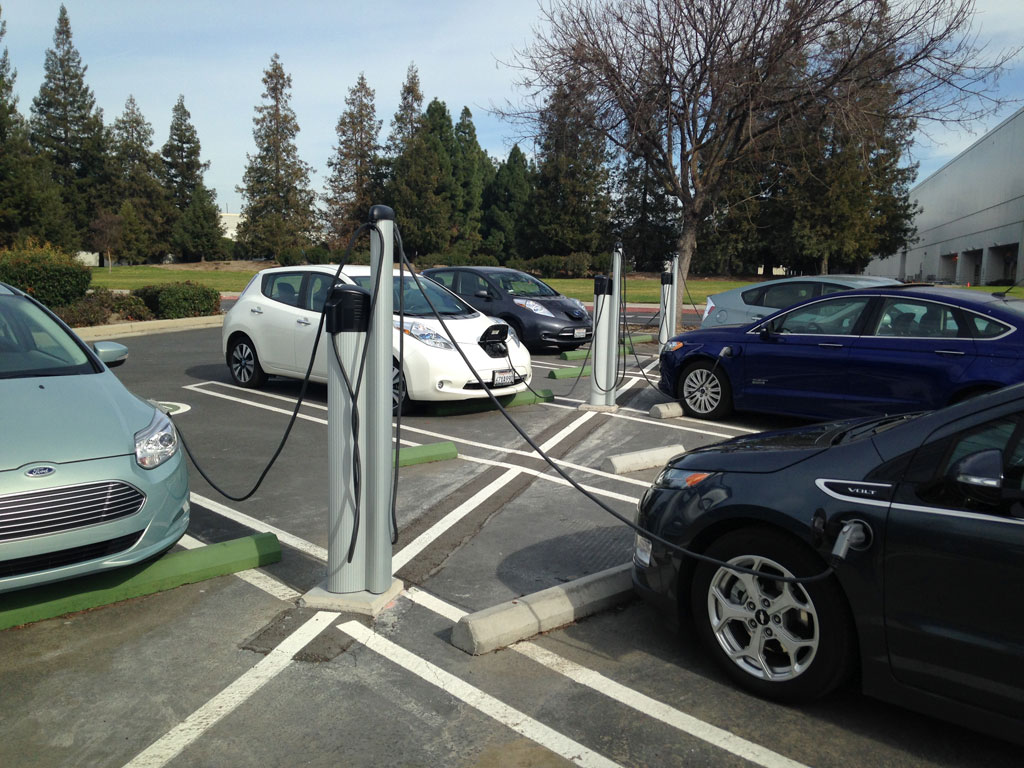
One of the most common reasons homeowners call electrical contractors today is to prepare their homes for electric vehicle charging. Los Angeles leads the nation in EV adoption, and many homes don't have the electrical capacity to safely support a Level 2 charger. A typical Level 2 charger requires 40 amps of dedicated circuit capacity, but many homes built before 2000 only have 100-amp service panels designed for much lower overall power demands.
Modern residential panels typically require 200 amps minimum to safely accommodate a Level 2 EV charger alongside your home's existing appliances. The U.S. Department of Energy reports that 48 million homes nationally would require service upgrades to safely accommodate EV charging. If your panel is undersized, your contractor may recommend a complete panel upgrade, installation of a subpanel, or use of smart load management technology to balance your home's electrical demands.
This is where professional assessment becomes invaluable. A qualified contractor like Shaffer Construction will perform a load calculation—an analysis of your home's current electrical demands versus available capacity—to determine the best solution for your specific situation. A subpanel, for example, can be more cost-effective than a full service upgrade and can be dedicated to future additions like solar systems or additional circuits. With the federal tax credit offering 30% off the cost of electrical panel improvements (up to $600), now is an excellent time to future-proof your home's electrical infrastructure.
Navigating Current Safety Standards and NEC Code Compliance
The National Electrical Code (NEC) updates every three years, and the 2023 edition brought several important changes affecting residential installations. Los Angeles adopts the California Electrical Code (CEC), which is based on the NEC with additional local amendments that often exceed national standards for safety.
One major change is expanded GFCI (Ground Fault Circuit Interrupter) protection requirements. As of January 2025, all 125-volt through 250-volt receptacles in bathrooms, garages, and accessory buildings must be GFCI protected. GFCI outlets detect electrical faults and shut off power in milliseconds, preventing electrocution. Additionally, Arc Fault Circuit Interrupters (AFCIs) are now required in all bedroom circuits and throughout bedrooms to protect against electrical fires caused by damaged wiring or appliances.
If you have an older home in Los Angeles, your current electrical system likely doesn't meet these requirements. Shaffer Construction ensures every installation complies with the latest California Electrical Code and Los Angeles Department of Building and Safety requirements. This is critical not just for safety, but also for insurance and home sale purposes—many insurance companies won't cover homes with non-compliant electrical systems, and building permits require final inspections confirming code compliance.
The Professional Assessment Process and Subpanels
When you contact an electrical contractor about a project, expect them to perform a thorough assessment before quoting the work. This assessment should include a visual inspection of your main electrical panel, identification of the panel's amperage rating, review of your recent electric bills, and discussion of any major appliances or future additions you're planning.
For homeowners considering EV charger installation, the contractor should calculate whether your existing panel can handle the load or if upgrades are necessary. Smart electrical management systems have changed this equation in 2025. These systems monitor your home's real-time energy usage and can automatically adjust loads—for example, by delaying the charging of your EV if your air conditioning is running at peak capacity. This intelligent load shifting can sometimes eliminate the need for a full service-level upgrade, potentially saving thousands of dollars.
Alternatively, subpanels offer a cost-effective middle ground. A subpanel is essentially a smaller breaker box connected to your main panel that can be dedicated to high-demand circuits like EV chargers or future solar installations. According to our experience at Shaffer Construction, homeowners in Los Angeles frequently choose subpanels as a practical way to expand capacity without the expense and disruption of a main service upgrade.
Future-Proofing with Smart Home Electrical Planning
The electrical infrastructure in your home today should account for tomorrow's technology. Smart home adoption in the United States is expected to reach 89.5% in 2025, and smart home integration can reduce energy consumption by 20-30% through optimized lighting, HVAC control, and automated power management.
When hiring an electrical contractor, discuss your long-term plans for your home. Do you want smart lighting throughout? Are you considering solar panels? Will you eventually add a second EV charger? A forward-thinking contractor will design your electrical infrastructure with extra capacity and properly placed conduit runs to accommodate future additions without extensive rewiring. This planning phase is essential—adding circuits and outlets strategically during initial work is far less expensive than retrofitting them later.
Read our comprehensive guide on EV charging infrastructure planning for Los Angeles property owners to better understand how to integrate charging into your overall home electrical strategy. Additionally, our article on preparing your property for EV chargers provides detailed insights into the assessment process and planning considerations.
Choosing the Right Contractor: Beyond the License
A valid C-10 license and insurance are table stakes—they're what you should expect from any contractor you interview. But excellent contractors distinguish themselves through their communication, expertise, and commitment to your project.
Ask potential contractors about their experience with projects similar to yours. How many panel upgrades have they completed? Do they have experience with EV charger installations? What do they recommend for your specific situation? A knowledgeable contractor should be able to explain their recommendations clearly and answer your technical questions without condescension. They should also be transparent about costs, providing detailed written estimates that break down materials, labor, and any necessary permit fees.
Communication matters tremendously. Your contractor should explain the work schedule, identify which circuits will be affected, discuss any temporary inconveniences, and keep you informed of progress. At Shaffer Construction, we believe in partnering with our clients throughout the electrical process. We explain everything clearly, answer questions patiently, and make sure you understand the work we're doing and why it's necessary. Our goal is to leave you confident that your home is not only safer and more capable, but also compliant with all current codes and ready for the future.
When requesting quotes, get at least three estimates. Don't automatically choose the cheapest option—inferior materials, rushed work, or cutting corners on safety issues will cost you far more in the long run. Look for contractors who are professional, responsive, and willing to warranty their work. Request references and actually contact previous clients if possible. Ask about their standing with the California Contractors State License Board by verifying their license status online.
Conclusion
Hiring a residential electrical contractor is an investment in your home's safety, functionality, and future readiness. In 2025, Los Angeles homeowners face new challenges—from powering electric vehicles to integrating smart home technology—that require professional guidance. By understanding licensing requirements, insisting on code compliance, planning for future capacity, and choosing a contractor who communicates clearly and executes professionally, you'll ensure that your home's electrical system is safe, modern, and prepared for whatever comes next.
Whether you need a panel upgrade for an EV charger, safety inspections for an older home, or planning for future electrical expansion, Shaffer Construction, Inc. is here to help. Our team of experienced, licensed electricians specializes in residential electrical services throughout Los Angeles and can help you navigate every aspect of this process. We're committed to providing transparent pricing, professional workmanship, and complete code compliance on every project. Contact us today at 323-642-8509 or visit our residential EV charger installation services to learn more about how we can help prepare your home for the future. You can also reach us by email at hello@shaffercon.com or visit shaffercon.com to explore our full range of electrical services.