
The Future of Electric Vehicle Charging: Why Infrastructure Matters for Sustainable Growth
Introduction
The electric vehicle (EV) revolution is no longer a distant vision—it's reshaping transportation and infrastructure across America right now. As we head deeper into 2025, electric vehicles are becoming mainstream, with millions of drivers discovering the benefits of cleaner, quieter, and more efficient transportation. However, this transformation depends entirely on one critical factor: charging infrastructure. At Shaffer Construction, Inc., we understand that robust EV charging infrastructure isn't just about convenience—it's the backbone of sustainable growth for Los Angeles, California, and communities nationwide. Without reliable, strategically placed charging stations, the EV revolution simply cannot succeed. This article explores why EV charging infrastructure matters more than ever, the current state of deployment, and what property owners in Los Angeles need to know about preparing for this critical transition.
The Explosive Growth of EV Charging Infrastructure in 2025
The numbers tell a compelling story about the rapid expansion of EV charging infrastructure. According to the International Energy Agency's Global EV Outlook 2025, global charging infrastructure is expanding faster than ever before. In Europe alone, public charging points grew by more than 35% in 2024 compared to 2023, reaching just over 1 million charging locations. The United States is experiencing even more explosive growth, with the EV charging infrastructure market valued at USD 5.09 billion in 2024 and projected to grow at a compound annual growth rate of 30.3% through 2030.
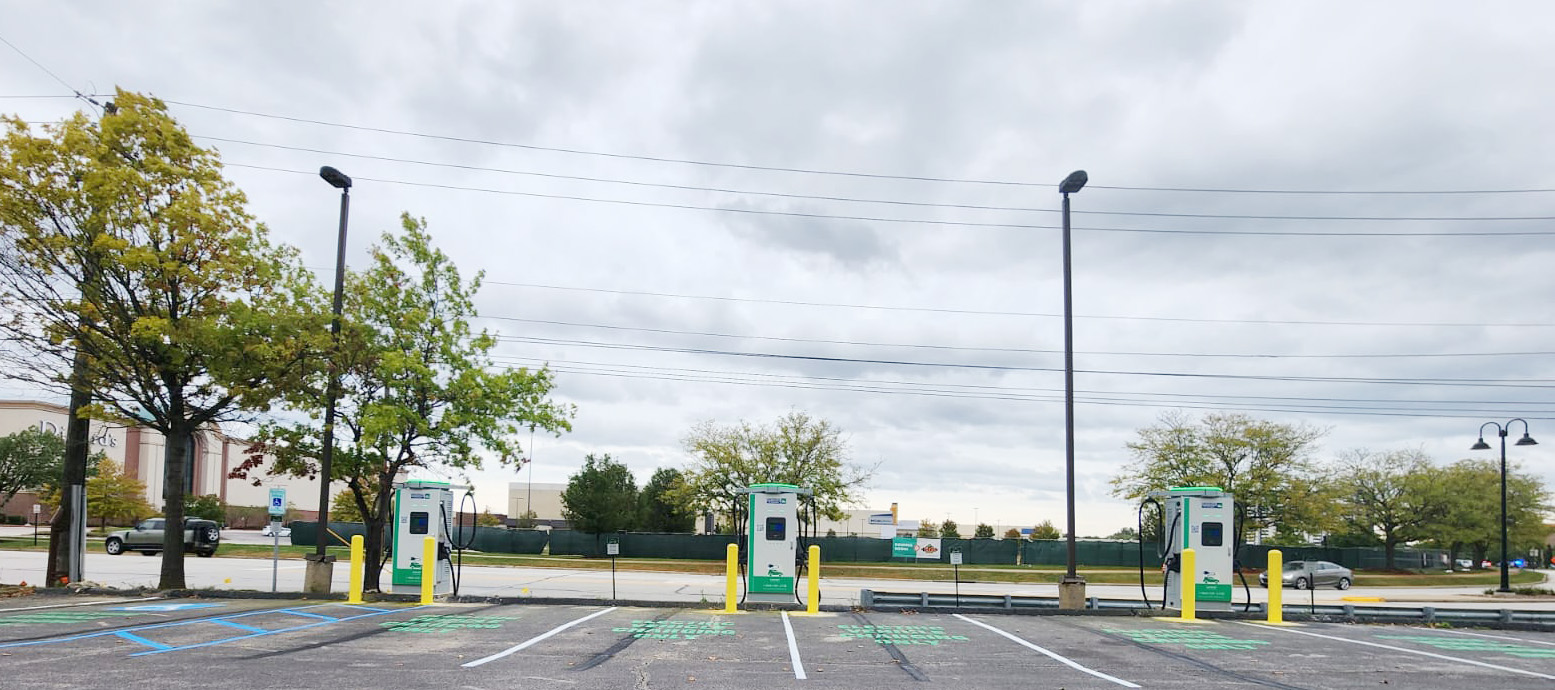
What makes 2025 particularly significant is the acceleration in fast charging deployment. According to current industry reports, forecasts indicate that 16,700 fast charging ports will open in 2025 alone—that's 2.4 times as many ports as opened in 2022. At this rate, the U.S. will surpass 100,000 fast charging ports by 2027, nearly quadrupling the number available in 2022. This massive expansion is driven by a combination of federal funding, private investment, and the growing demand from EV drivers who need reliable places to charge. At Shaffer Construction, Inc., we're actively participating in this growth by helping Los Angeles property owners and businesses upgrade their electrical infrastructure to support EV charging stations, whether for residential homes or commercial facilities.
Federal Funding and the NEVI Program: Shaping Infrastructure Deployment
The National Electric Vehicle Infrastructure (NEVI) program, established by the Infrastructure Investment and Jobs Act, represents a transformational federal commitment to EV charging. The program allocates $5 billion over five years to help states strategically deploy fast chargers along highway corridors, creating a nationwide network that makes EV travel feasible from coast to coast. According to the Alternative Fuels Data Center's comprehensive NEVI overview, this program provides crucial funding to establish interconnected charging networks and ensure reliable, accessible infrastructure for all Americans.
For Los Angeles property owners, understanding NEVI and related federal programs is essential because they impact local electricity grid planning, utility rebates, and future infrastructure development. California has received substantial NEVI funding allocations, and cities like Los Angeles are actively planning charging networks using these federal dollars. As Shaffer Construction's role grows in supporting this infrastructure expansion, we help clients navigate the technical requirements of NEVI-compliant installations and ensure their electrical systems meet current federal and state standards. Additionally, federal tax credits of 30% are available for commercial EV charger installations, making now an excellent time for Los Angeles businesses to invest in charging infrastructure.
The Reliability Challenge: Why Maintenance and Skilled Installation Matter
While the explosion in charger deployment is exciting, the industry faces a critical challenge that doesn't always make headlines: charger reliability. According to recent industry data, first-time charging success rates are only about 84%, meaning that nearly one in six charging attempts ends in frustration. Even more concerning, charger performance degrades significantly over time—new stations average an 85% success rate, but this drops to approximately 70% by year three. This reliability crisis threatens to undermine confidence in EV technology if not addressed aggressively.
This challenge creates a significant need for skilled technicians and proper installation practices. As discussed in our comprehensive guide to EV charger installation and planning, using licensed, experienced electricians during the initial installation phase is critical to long-term reliability. Federal NEVI-funded chargers must maintain 97% uptime, which means every installation must be done correctly from the start. At Shaffer Construction, Inc., we employ C-10 licensed electricians who specialize in EV infrastructure and understand the nuances of proper installation, electrical code compliance, and equipment configuration that ensures your chargers operate reliably for years to come. Investing in proper installation now prevents costly failures and downtime later, which is especially important for Los Angeles property owners who want to maintain their competitive advantage in attracting EV drivers.
Economic Benefits: How EV Charging Infrastructure Boosts Communities and Businesses
One of the most compelling reasons why EV charging infrastructure matters is its profound economic impact on local communities. Recent research published in Nature Communications reveals that businesses located within 100 meters of an EV charging station experience spending increases of 2.7% to 3.2%, which translates to approximately $1,400 to $1,600 in additional annual revenue per business. For Los Angeles retailers, restaurants, and service providers, having nearby charging infrastructure is a significant competitive advantage that drives customer foot traffic and spending.
The economic benefits extend beyond individual businesses to entire communities. When EV charging stations are deployed in low-income neighborhoods, the economic stimulation is even more pronounced, suggesting that charging infrastructure can help reduce economic inequality and create more vibrant, thriving communities. The U.S. Department of Transportation recognizes these benefits and actively promotes EV infrastructure as a community development tool that creates jobs, attracts investment, and improves air quality. For Los Angeles property owners considering EV charger installation, understanding this economic advantage is important—whether you're a commercial operator seeking to attract customers or a residential property manager enhancing property values, EV charging infrastructure is increasingly recognized as an essential amenity. Shaffer Construction helps clients in Los Angeles realize these benefits through professional installation services that maximize reliability and customer satisfaction.
Los Angeles Leads California in EV Adoption and Infrastructure Planning
Los Angeles is uniquely positioned as a leader in EV adoption, with more electric vehicles on the road than any other California city. The Los Angeles Department of Water and Power (LADWP) has made significant investments in residential and commercial EV charging rebate programs, offering up to $1,000 for residential Level 2 chargers and up to $80,000 for commercial installations. Understanding Los Angeles's specific requirements and incentives is essential for property owners planning EV infrastructure. According to LADWP's charger installation programs, installations must comply with California Building Code standards, local permit requirements, and NEC Article 625, which governs EV supply equipment installation. Los Angeles requires a dedicated 240-volt circuit, electrical permits from the Department of Building and Safety, and professional installation by C-10 licensed electricians. As discussed in more detail in our guide on preparing your Los Angeles property for EV chargers, understanding these requirements early in the planning process prevents costly mistakes and delays. Shaffer Construction specializes in helping Los Angeles property owners navigate these requirements, from the initial electrical assessment through final inspection and activation. We handle permit applications, coordinate with LADWP, complete all inspections, and ensure your installation qualifies for available rebates and tax credits.
Technological Advancements Transforming the Charging Experience
As EV charging infrastructure expands, so too does the technology that powers it. Fast charging capabilities are advancing rapidly, with new equipment now delivering 350-400 kilowatts of power in some cases, dramatically reducing charging times. The industry is standardizing around higher-power equipment that enables faster charging while improving the overall ratio of charging ports to physical charging stations. Beyond raw charging speed, innovations in connectivity, power management, and integration with renewable energy sources are making charging infrastructure increasingly sophisticated and sustainable.
These technological advances directly impact what property owners in Los Angeles should consider when planning EV infrastructure. Modern chargers can be integrated with solar systems, energy storage batteries, and smart grid technology that optimizes charging times and reduces energy costs. They can communicate with vehicle management systems to provide real-time status updates and enable remote diagnostics. At Shaffer Construction, Inc., we help clients understand these technological options and select equipment that aligns with their long-term goals. Whether you're interested in basic Level 2 residential charging or advanced commercial fast charging with renewable integration, our experienced team helps you make informed decisions about technology investment that will serve you well for years to come.
Conclusion
The future of EV charging infrastructure is undeniably bright. With explosive growth in deployment, record federal funding, proven economic benefits, and advancing technology, 2025 represents a pivotal moment for property owners in Los Angeles to invest in charging infrastructure. Whether you're a homeowner looking to install your first EV charger, a commercial property owner seeking to attract EV-driving customers, or a business fleet manager preparing for vehicle electrification, the time to act is now. Reliable, professionally installed charging infrastructure will only become more valuable as EV adoption accelerates and the grid increasingly depends on this critical infrastructure.
For expert electrical services in Los Angeles, including residential and commercial EV charger installation, electrical load studies, and system compliance verification, contact Shaffer Construction, Inc. Our team of C-10 licensed electricians specializes in EV infrastructure and understands every detail of Los Angeles permitting, LADWP requirements, and the latest charging technology. Call us at 323-642-8509 or email hello@shaffercon.com to schedule a consultation. We'll assess your property's electrical capacity, discuss your charging goals, help you qualify for available rebates and tax credits, and ensure your installation meets all current codes and standards. Visit shaffercon.com to learn more about our commercial EV charger installation services and residential EV charging solutions. Let's build the sustainable transportation future together.