
Commercial Ev Charger Installation in Altadena
Altadena's post-fire commercial recovery and growing business corridors now attract tenants and customers expecting EV charging infrastructure. Installing Level 2 chargers for a commercial property isn't simple: panel capacity, existing conduit runs, rebuild-zone code requirements, and electrical load all directly constrain your options. Wrong decisions mean costly rework. The real difference is a contractor who understands your specific panel limits, installs Tesla Wall Connectors or ChargePoint systems correctly, and knows what Altadena's current inspectors actually require, local expertise, not assumptions.
Planning an EV charging project beyond this local installation? These pages cover the broader Los Angeles installation and electrical-capacity process.
Local proof
EV Charger Installation local planning in Altadena
Local electrical work is not just a generic service list. In Altadena, the practical plan depends on the utility, permit path, property type, parking layout, and inspection access before installation starts.
Utility planning
Southern California Edison service capacity can affect EV chargers, panel upgrades, dedicated circuits, and larger commercial electrical work.
Permit path
Projects in Altadena commonly require county permit coordination, utility capacity review, and careful planning for older homes, rebuild work, hillside conditions, and detached parking areas.
Property context
Altadena includes older single family homes, hillside properties, rebuild sites, accessory structures, and detached garages where panel location, grounding, and service capacity deserve early review.
What we check before work starts
These checks help the page match real local job conditions, and they give customers clearer reasons to call before buying equipment or opening a permit.
Available electrical capacity, charger amperage, load management options, and whether Altadena properties need a load study before EV charging is added.
Parking layout, charger placement, conduit route, voltage drop, weather exposure, and inspection access.
Rebate paperwork, permit documentation, utility service planning, and future charger expansion for commercial property teams.
Parking and commercial context
Detached garages, long driveway runs, carports, and rebuild parking layouts can affect EV charger placement, trenching, conduit routing, and voltage drop.
Local commercial work is often smaller site service, exterior lighting, dedicated equipment circuits, panel repair, and tenant improvement electrical coordination.
Nearby service context
EV charging scope
EV Charger Installation planning in Altadena
A good EV charger installation in Altadena starts with load capacity, charger placement, conduit routing, breaker sizing, and inspection requirements. We plan the electrical path before installation so the charger is reliable, serviceable, and ready for daily use.
Load and panel review
We check available capacity, panel condition, feeder limits, and whether the project needs a load study or panel upgrade before quoting the final path.
Charger location planning
We plan wall mounted chargers, pedestals, parking clearances, conduit runs, and weather exposure so the finished installation fits the property.
Permits and inspection
We prepare the electrical scope for permit review, installation, labeling, and inspection so the work is documented correctly.
Our Work
Benefits
Scalable, networked charging
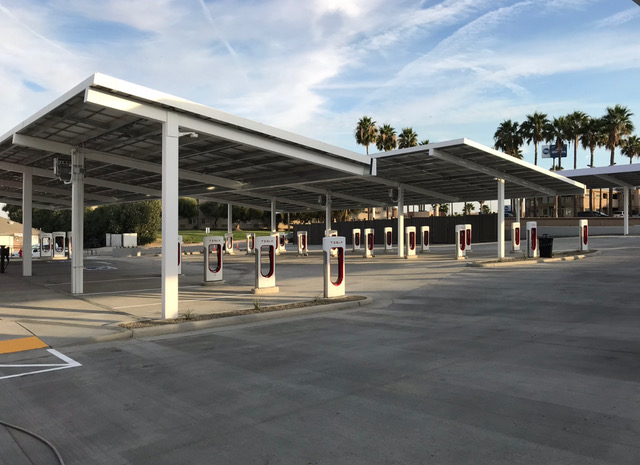
We design commercial EV charging systems that scale with your business and customer demand. Options include networked Level 2 chargers (7.2–19.2 kW per port) with OCPP protocol for centralized management, payment processing via credit card readers or mobile apps, dynamic load management across multiple chargers to optimize available power, and DC fast charging (50–150 kW) for high-turnover locations. For fire recovery rebuilds, we future-proof installations with conduit stubs, oversized feeders, and expansion capacity so adding chargers later is simple and cost-effective as EV adoption grows and the community rebuilds.
Permits and utility coordination
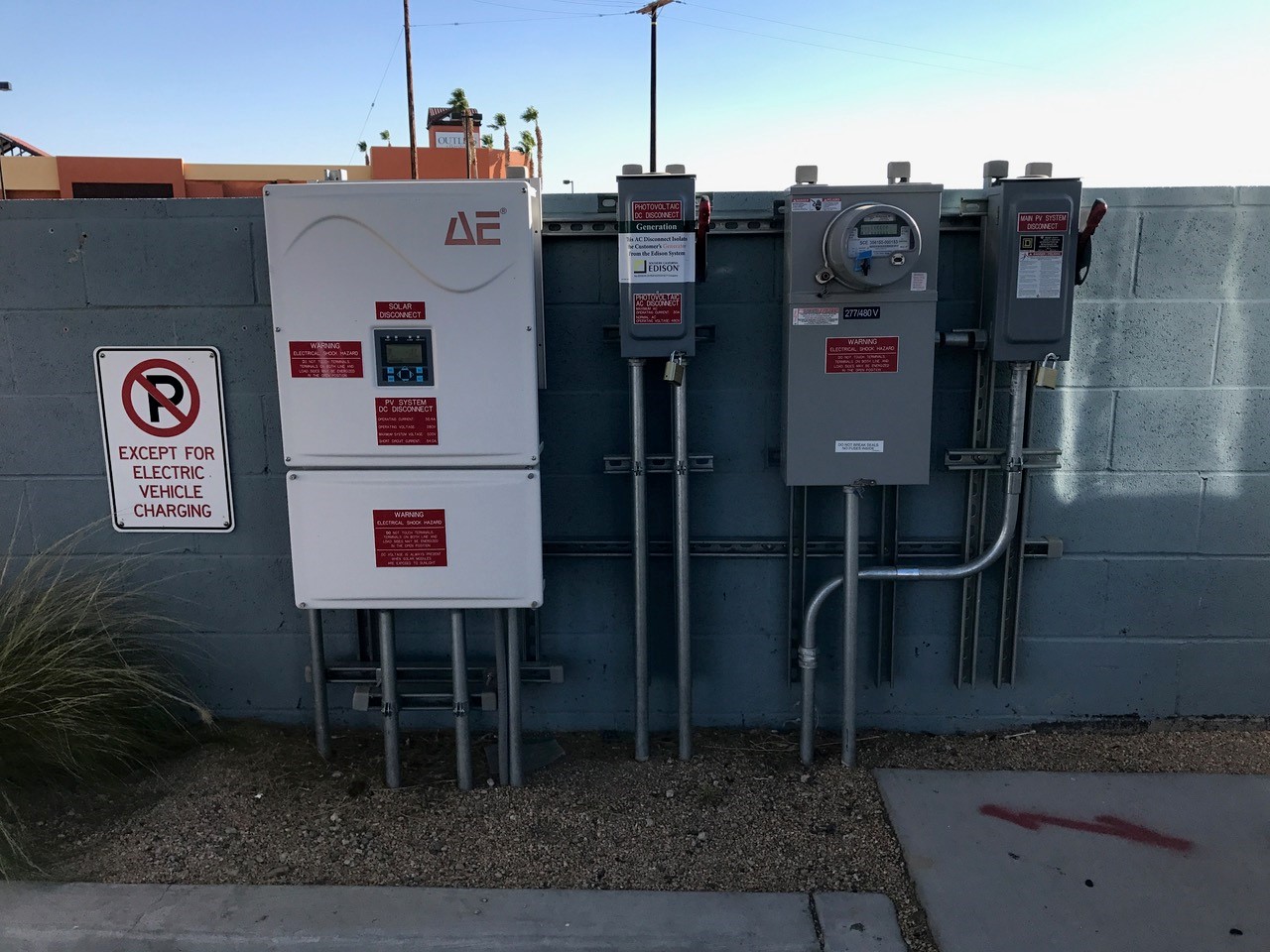
Shaffer Construction manages all permitting, utility coordination, and inspections. Our commercial installations follow the 2022 California Electrical Code (NEC 2020), including Article 625 for EVSE, Article 220 load calculations, ADA and Title 24 accessibility requirements, 230.67 surge protection, and enhanced fire safety standards for wildfire-prone foothill commercial properties. We coordinate with LA County Building and Safety, SCE for service upgrades and transformer installations, and fire recovery building officials for rebuilding projects. We provide as-built documentation, O&M manuals, and ensure labeling, working clearances, grounding, ADA compliance, and fire-resistant installations meet all county, state, utility, and insurance requirements.
Commercial-grade reliability
We use commercial-grade materials designed for high-use, foothill, and fire-prone environments: copper feeders sized with voltage drop analysis, rigid conduit or Schedule 80 PVC for parking lots, NEMA 3R or NEMA 4 outdoor enclosures, vandal-resistant hardware, and UL-listed equipment from ChargePoint, Eaton, ABB, and Siemens. Bollards, wheel stops, and protective barriers safeguard equipment from vehicle damage. Terminations are torqued to specifications, circuits are tested for ground faults and proper operation, and all outdoor installations are sealed for extreme weather and fire resistance. For rebuilds, we integrate fire-rated construction and strategically position equipment for maximum safety and longevity. The result is a durable, safe, and code-compliant system built for years of reliable commercial operation in fire-prone foothill environments.
Custom solutions for your business
Every commercial project begins with a site assessment: parking layout, existing electrical capacity, expected charging demand, payment and access control needs, fire recovery rebuilding plans, and budget. We analyze usage patterns, employee all-day charging vs. customer turnover charging, and recommend charger types, quantities, locations, and payment models (free, paid per session, subscription). Your proposal includes cost estimates, ROI projections, utility incentive eligibility, ADA compliance strategies, fire recovery rebuild integration, and project timelines. Once approved, we finalize engineered drawings, coordinate utility upgrades, secure permits, and manage installation with minimal disruption to business operations and rebuild schedules.
What We Offer
Frequently Asked Questions
Do I need a permit for commercial EV chargers in Altadena?+
Yes. LA County Building and Safety requires electrical permits, and often structural permits for bollards and equipment protection. We handle all permit preparation, submittals, plan reviews, and inspections. For fire recovery rebuilds, we coordinate EV charging permits as part of your overall commercial rebuild permit package. Typical timelines are 3–6 weeks for approval and inspections, depending on project complexity and rebuild coordination.
Will my existing electrical service support multiple EV chargers?+
It depends on your current service size and building load. We perform detailed load studies per NEC Article 220. Most older commercial buildings require service upgrades (to 600A–1200A+) or smart load management systems to support multiple chargers. For fire recovery rebuilds, we design new electrical services (often 800A–2000A or larger) with dedicated EV capacity from the start. Utility coordination for service upgrades can take 8–16 weeks; we manage the entire process with SCE.
How long does a commercial EV charging installation take?+
Timelines vary by scope. Simple installations with existing capacity take 1–2 weeks after permits. Projects requiring service upgrades, transformer installations, or utility coordination take 3–6 months total (including utility lead times). For fire recovery rebuilds, we integrate EV charging into your overall construction timeline, coordinating with builders and architects for seamless installation. We provide detailed schedules and manage all dependencies to keep projects on track.
Can you integrate EV charging with backup power for PSPS events?+
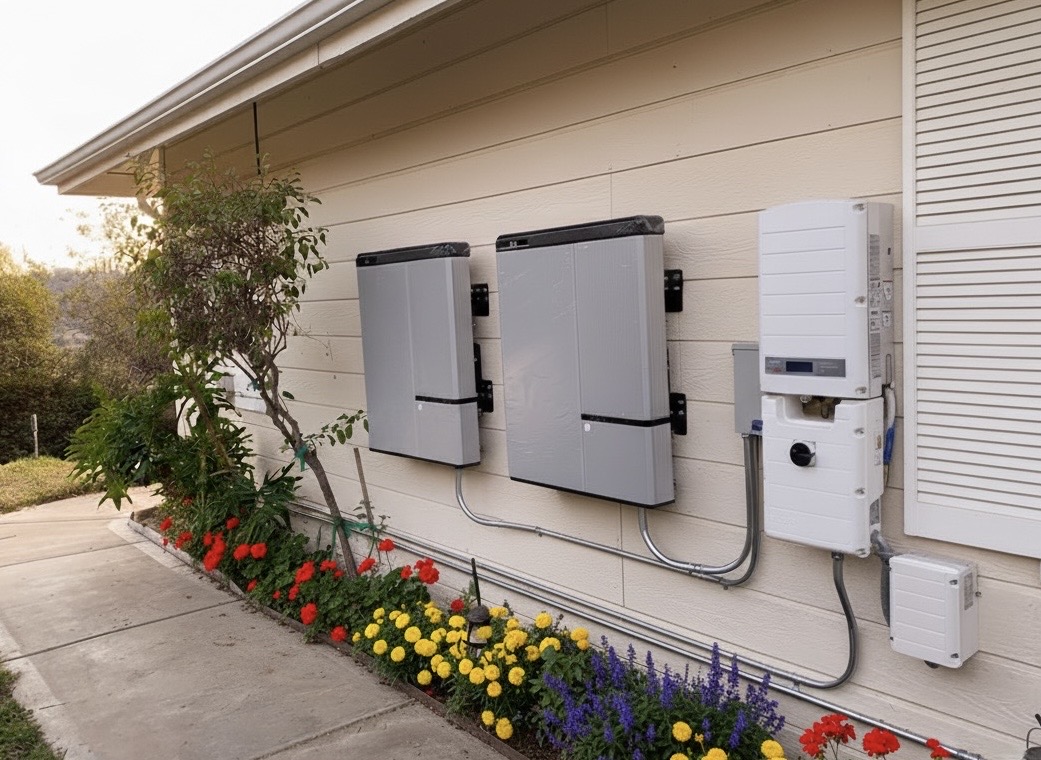
Yes. Altadena is in a fire-prone area subject to public safety power shutoffs (PSPS). We can integrate your commercial EV charging with backup generator systems or battery energy storage systems (BESS) so charging remains available during outages, critical for multifamily residents and employees. We design systems with automatic transfer switches, load prioritization, and smart controls. For fire recovery rebuilds, we recommend comprehensive backup solutions that support EV charging, critical building loads, and emergency systems for maximum resilience.
Whether you're reopening a retail storefront on Christmas Tree Lane or rebuilding office space in the foothills, your tenants and customers expect EV charging as standard infrastructure now. Post-Eaton Altadena adds real constraints: stricter code enforcement, panels at capacity from retrofits, conduit runs that require creative routing. You need a charger that passes inspection first time, fits your building's reality, and scales with your business, not a generic quote from someone unfamiliar with rebuild-zone permitting. Shaffer Construction holds a rare triple California license (A, B, C-10), so load studies, permits, and inspections stay in-house. No subcontractors or consultants. We've been doing commercial electrical across Los Angeles for 25 years. Owner-led means the company's reputation is on the line; the crew we send knows Altadena's inspector requirements and works to our standards on every site. Ready to start? Call us at (323) 642-8509 or email hello@shaffercon.com. We'll walk your site, understand your panel, and show you a clear timeline and permit path.
Ready to Get Started?
Contact us today for a free consultation and quote on your electrical project!
Contact Us