
Commercial Backup Generator Installation in Atwater Village
When the power blinks out along Glendale Boulevard or near the Hyperion Bridge, your business can't afford downtime. Shaffer Construction, Inc. designs and installs commercial backup generator systems built around the realities of Atwater Village: restaurants that rely on refrigeration, creative studios with deadlines, and retail that needs POS uptime. From precise load calculations to turnkey installation, we deliver reliable standby power that fits tight urban sites and meets the City of Los Angeles, # Right single quotation mark (apostrophe) r'‘': strict codes. Whether you manage a boutique on Los Feliz Boulevard, a production studio off Casitas Avenue, or a warehouse near San Fernando Road, we'll keep your lights on, HVAC running, and data protected. Call or text (323) 642-8509 or email hello@shaffercon.com to get started.
Local proof
Backup Generator Installation local planning in Atwater Village
Local electrical work is not just a generic service list. In Atwater Village, the practical plan depends on the utility, permit path, property type, parking layout, and inspection access before installation starts.
Utility planning
Los Angeles Department of Water and Power service capacity can affect EV chargers, panel upgrades, dedicated circuits, and larger commercial electrical work.
Permit path
Atwater Village projects are typically reviewed through Los Angeles city permitting, with LADWP service planning important for EV chargers, panel upgrades, and larger dedicated circuits.
Property context
Atwater Village has older homes, small multifamily buildings, creative offices, storefronts, and mixed parking conditions that often need panel and load review before new electrical scope.
What we check before work starts
These checks help the page match real local job conditions, and they give customers clearer reasons to call before buying equipment or opening a permit.
Backup Generator Installation scope, access, permit requirements, and inspection sequencing in Atwater Village.
Existing panel capacity, feeder condition, grounding, breaker space, and equipment location before installation.
A practical route for wiring, conduit, controls, labeling, and future maintenance for commercial property teams.
Parking and commercial context
Driveways, detached garages, small multifamily parking, and alley access can shape charger location, conduit path, and inspection planning.
Commercial corridors and creative spaces commonly need lighting retrofits, dedicated equipment circuits, troubleshooting, and EV charging planning.
Nearby service context
Generator installation scope
Backup Generator Installation planning in Atwater Village
Backup generator installation in Atwater Village requires load planning, transfer equipment, location requirements, fuel coordination, grounding, and inspection. We plan the electrical side around the loads that actually need to stay on.
Critical load planning
We identify which circuits or equipment need backup power, then size the electrical scope around realistic startup and running loads.
Transfer equipment
We plan manual or automatic transfer equipment, panel connections, labeling, and safe separation from utility power.
Site coordination
We review generator placement, electrical routing, clearances, fuel coordination, noise concerns, and inspection requirements.
Our Work
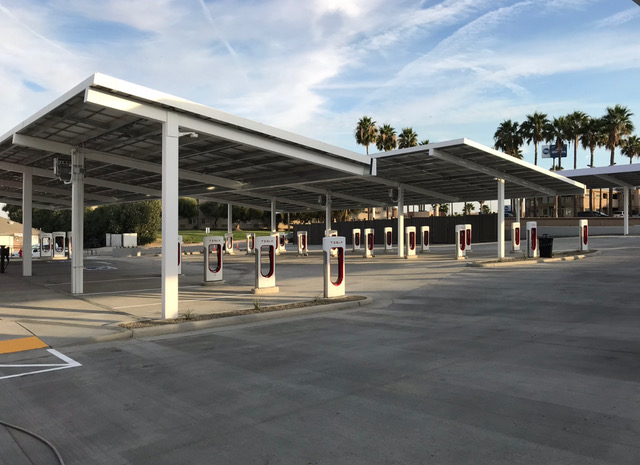
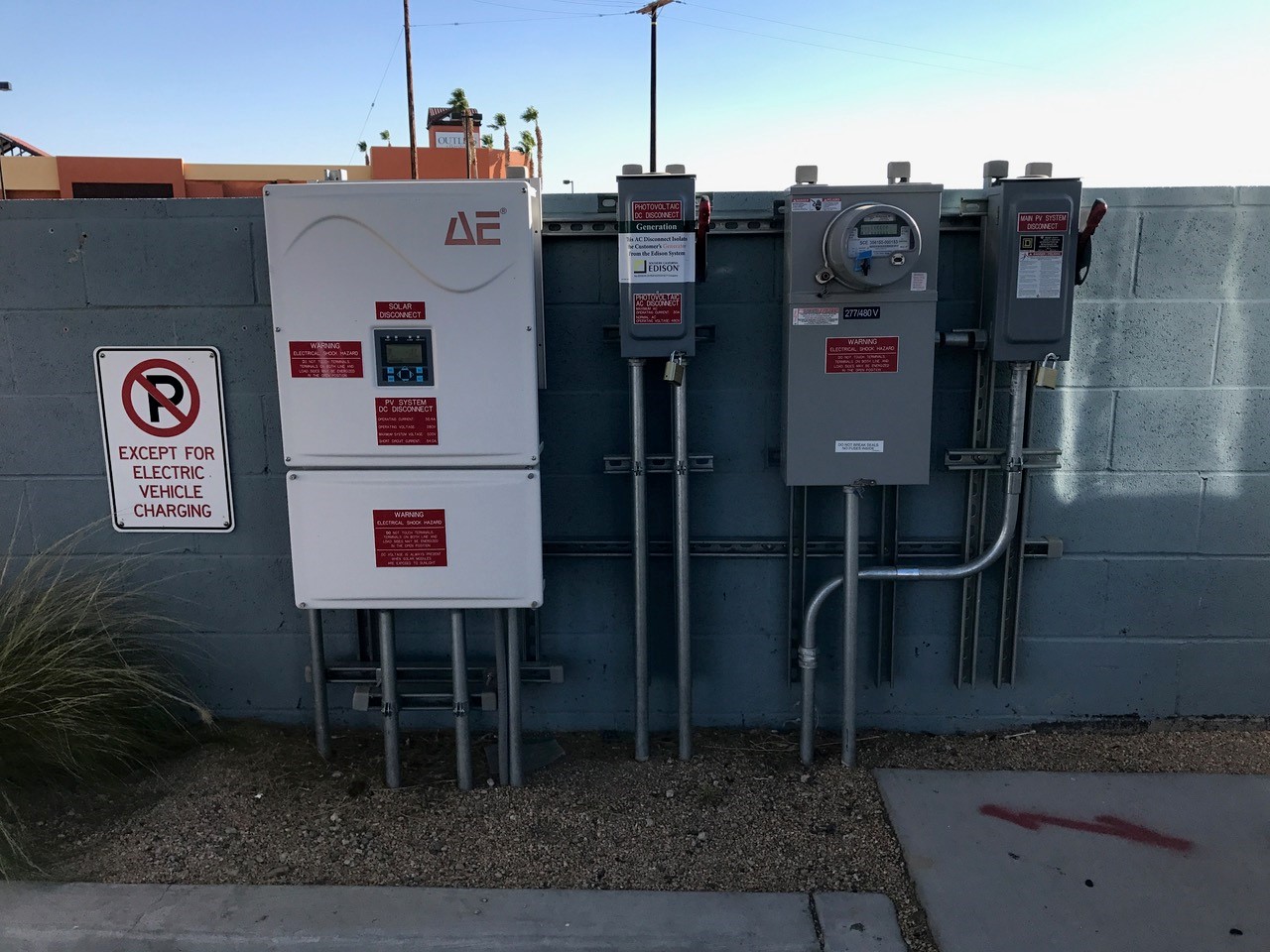
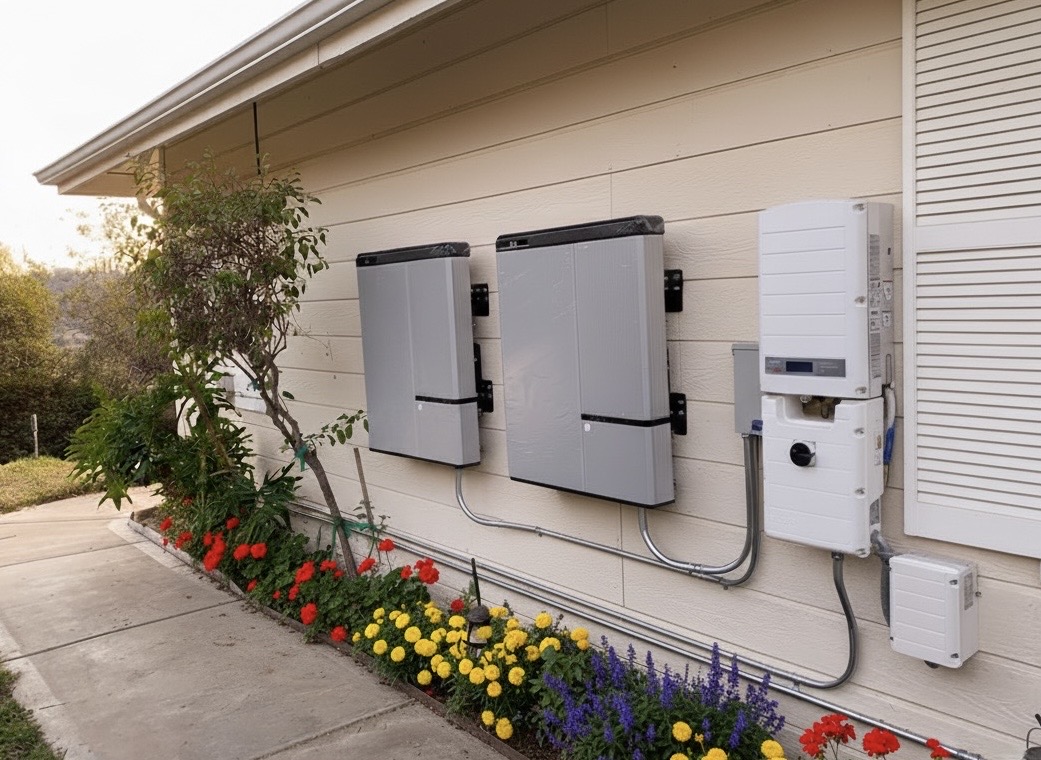
Benefits
Future-Proof Your Business
We design scalable systems using smart automatic transfer switches (UL 1008) with load-shedding and load-add functionality, remote monitoring via cellular gateways, and integration to your BMS over Modbus/BACnet. For growing operations, we plan for capacity expansion: pre-sizing conduits, busways, and switchgear spaces. We specify sound-attenuated enclosures, advanced controllers (e.g., digital ATS controllers), and optional cloud dashboards so you can view run status, fuel levels, and test logs from anywhere, ideal for multi-tenant managers in Atwater’s mixed-use buildings.
Permits and Safety Compliance
Shaffer Construction manages permitting end-to-end and ensures your system meets the Los Angeles Electrical Code, NEC Articles 700/701/702, NFPA 110 for emergency and standby power, and UL 1008 transfer requirements. We handle LADBS plan check submittals, coordinate any LAFD or SCAQMD steps for fuel systems, and deliver stamped anchorage details for seismic compliance. Our team schedules inspections, prepares test procedures, and documents selective coordination and short-circuit ratings so your final sign-off is smooth and predictable.
Unmatched Quality and Reliability
We build with durable, code-compliant materials: copper THHN/THWN feeders in rigid metal or EMT, NEMA 3R/4 enclosures, epoxy-coated seismic anchors, and vibration isolation. Conduits are neatly routed with labeled terminations and torque logs. We perform insulation resistance tests, verify phase rotation, and complete load-bank or building-load testing. Every installation follows NFPA 70E safety practices with lockout/tagout and arc-flash labeling, ensuring a reliable system that performs when Atwater’s grid doesn’t.
Custom-Tailored Installation Plans
Every Atwater property is unique. We start with a detailed site walk to map utility rooms, roof/yard options, and sound pathways to neighbors. We create a one-line diagram, panel schedules, and load profiles, then select whole-building or critical-circuit backup based on your budget and risk tolerance. Our team coordinates gas meter upsizing with SoCalGas, evaluates rooftop versus grade-mounted pads, and plans crane routes if needed, minimizing business disruption along busy streets like Glendale Boulevard.
What We Offer
Frequently Asked Questions
Do I need a permit for a commercial generator in Atwater Village?+
Yes. LADBS requires electrical permits and may require mechanical/fuel gas permits. Exterior units can involve Planning/Zoning review for placement, and diesel systems may trigger LAFD and South Coast AQMD permits. We prepare drawings, submit applications, and guide you through inspections and testing until final approval.
Is natural gas, propane, or diesel best for my Atwater property?+
Natural gas is common and convenient along Glendale and Los Feliz Boulevards, avoiding on-site fuel storage. Propane can work where gas capacity is limited. Diesel is preferred for larger loads or mission-critical runtime but can require LAFD and AQMD permits and acoustic planning. We’ll model runtime, load, and permitting to recommend the best fit.
Can a generator be installed on the roof of my building?+
Often, yes. Rooftop placements save ground space and can reduce noise at the property line, but they require structural review, seismic anchorage, crane logistics, and code-compliant exhaust clearance. We coordinate engineering, rigging, and LADBS approvals to ensure the roof can support the unit safely and meet maintenance access requirements.
How long will installation disrupt my business operations?+
Most installations take 2–5 days on site, with the actual utility cutover and transfer switch tie-ins scheduled off-hours. Expect short planned outages, typically a few hours, while we perform final connections and testing. We coordinate with LADWP and your team to choose low-impact times and maintain temporary power where feasible.
What size generator does a typical Atwater restaurant need?+
It depends on equipment. A small kitchen with refrigeration, a hood, make-up air, POS, and limited HVAC might require 25–60 kW. Larger venues with multiple compressors and air conditioning can exceed 100 kW. We perform detailed load calculations and can back up only critical circuits to reduce system size and cost.
Picture your Atwater restaurant's walk-in cooler staying cold during a grid failure, a production studio's render farm humming through a PSPS event, a retail shop's POS registers processing sales when the city's power flickers out. A properly sized, meticulously installed backup generator makes that the norm, not a miracle. A system that's ready before the outage hits isn't insurance, it's operational continuity. It's the margin between weathering a power event and losing revenue, spoiling inventory, or missing a deadline. That readiness starts with a generator engineered exactly to your load and installed to code by a contractor who knows Atwater Village's electrical landscape. Shaffer Construction brings 25+ years of Los Angeles electrical work and holds a triple California CSLB license, General (A), Building (B), and Electrical (C-10), a rare credential set most LA contractors don't have. That range matters because generator installation touches permitting, structural considerations, and code compliance all at once. We handle load studies and permitting in-house: so there's no outsourcing, no miscommunication between vendors, and no surprises when the city inspector shows up. Our crews have installed systems across Atwater Village and the region; experience compounds with every project, and that knowledge is yours to draw on. If you're ready to move from grid dependence to reliable standby power, we'll take it from there. Call (323) 642-8509 or email hello@shaffercon.com: we'll walk through sizing, permitting, timeline, and costs, then deliver a system built to your exact needs. Atwater Village deserves a contractor who gets it. Let's talk.
Ready to Get Started?
Contact us today for a free consultation and quote on your electrical project!
Contact Us