
Residential EV Charger Installation in Atwater Village
Power up your EV at home with a safe, fast, and code-compliant Level 2 charger installed by Shaffer Construction, Inc. We know Atwater Village, from the Hyperion Bridge to Glendale Boulevard's cafés and the LA River bike path, and we design neat, reliable installations that fit the character of your Craftsman, Spanish Colonial, or bungalow home. Our licensed electricians handle everything: load calculations, panel upgrades, permits with LADBS, and clean conduit runs to detached garages common on streets like Edenhurst, Revere, and Brunswick. Expect clear communication, predictable timelines, and a worry-free inspection. Enjoy the convenience of home charging and lower fuel costs, installed by a local team you can reach any time.
Planning an EV charging project beyond this local installation? These pages cover the broader Los Angeles installation and electrical-capacity process.
Local proof
EV Charger Installation local planning in Atwater Village
Local electrical work is not just a generic service list. In Atwater Village, the practical plan depends on the utility, permit path, property type, parking layout, and inspection access before installation starts.
Utility planning
Los Angeles Department of Water and Power service capacity can affect EV chargers, panel upgrades, dedicated circuits, and larger commercial electrical work.
Permit path
Atwater Village projects are typically reviewed through Los Angeles city permitting, with LADWP service planning important for EV chargers, panel upgrades, and larger dedicated circuits.
Property context
Atwater Village has older homes, small multifamily buildings, creative offices, storefronts, and mixed parking conditions that often need panel and load review before new electrical scope.
What we check before work starts
These checks help the page match real local job conditions, and they give customers clearer reasons to call before buying equipment or opening a permit.
Available electrical capacity, charger amperage, load management options, and whether Atwater Village properties need a load study before EV charging is added.
Parking layout, charger placement, conduit route, voltage drop, weather exposure, and inspection access.
Rebate paperwork, permit documentation, utility service planning, and future charger expansion for homeowners.
Parking and commercial context
Driveways, detached garages, small multifamily parking, and alley access can shape charger location, conduit path, and inspection planning.
Commercial corridors and creative spaces commonly need lighting retrofits, dedicated equipment circuits, troubleshooting, and EV charging planning.
Nearby service context
EV charging scope
EV Charger Installation planning in Atwater Village
A good EV charger installation in Atwater Village starts with load capacity, charger placement, conduit routing, breaker sizing, and inspection requirements. We plan the electrical path before installation so the charger is reliable, serviceable, and ready for daily use.
Load and panel review
We check available capacity, panel condition, feeder limits, and whether the project needs a load study or panel upgrade before quoting the final path.
Charger location planning
We plan wall mounted chargers, pedestals, parking clearances, conduit runs, and weather exposure so the finished installation fits the property.
Permits and inspection
We prepare the electrical scope for permit review, installation, labeling, and inspection so the work is documented correctly.
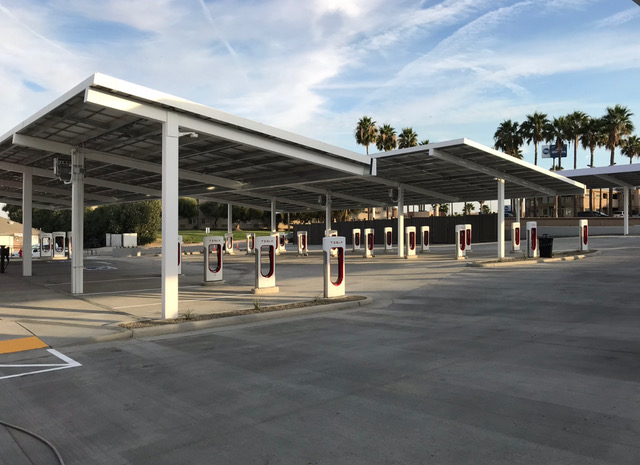
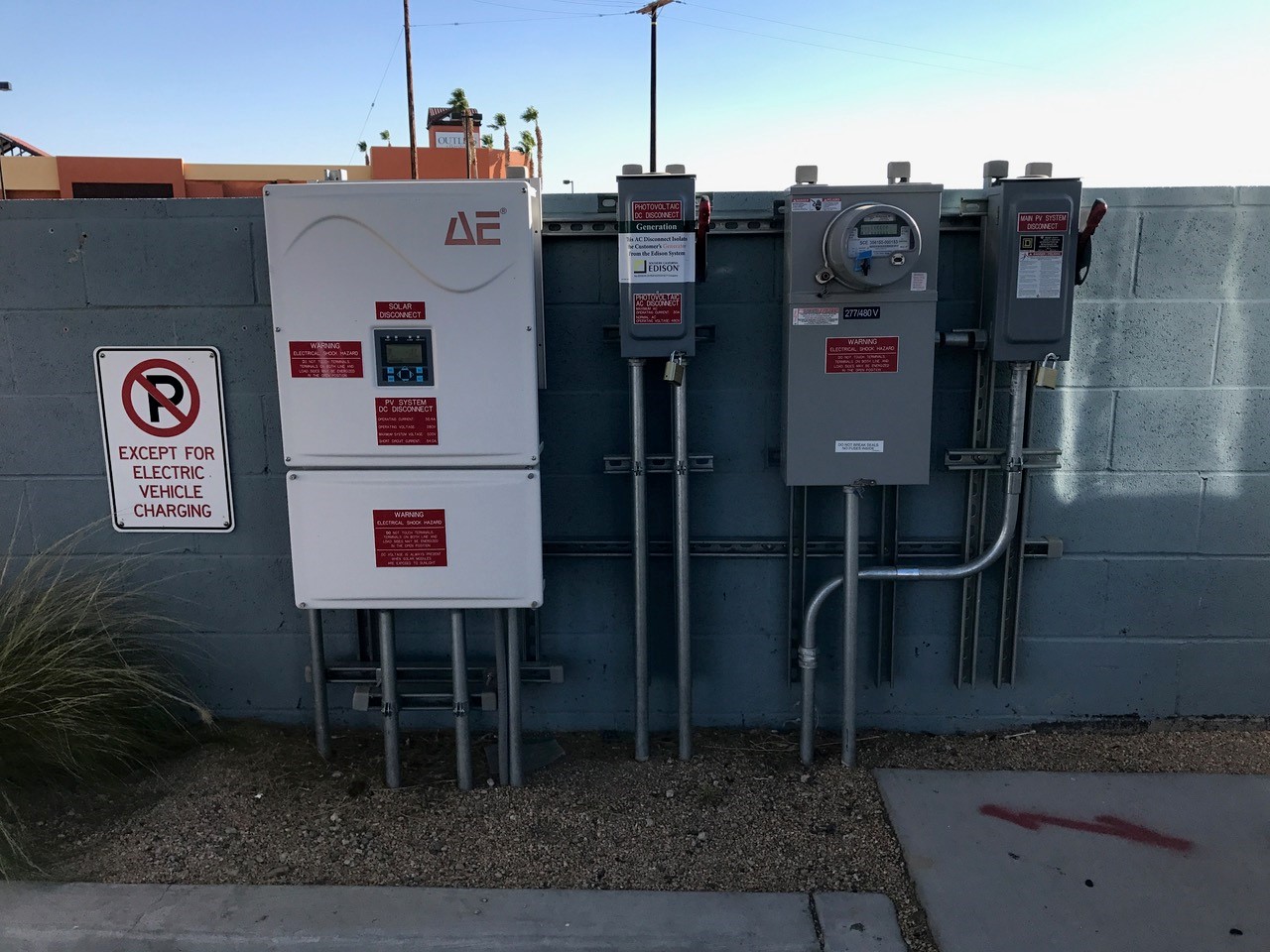
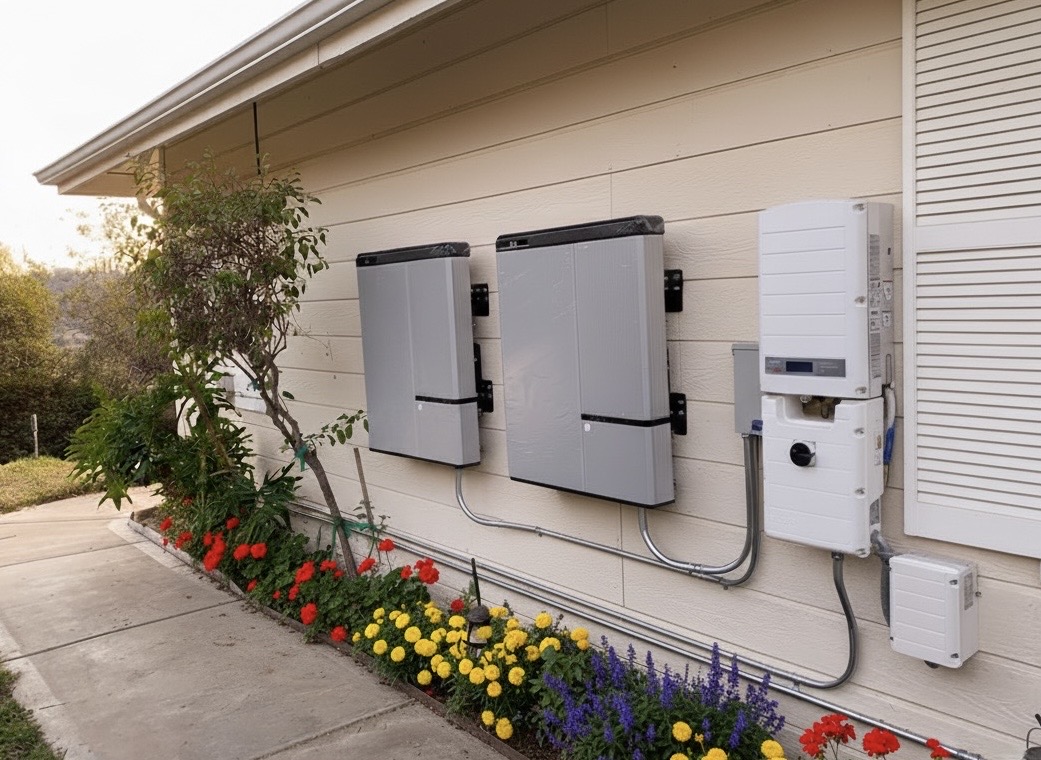
Our Work
Benefits
Charging Solutions Built for Tomorrow
We design EV charging with tomorrow in mind. Our installations support smart load management, Wi‑Fi/Bluetooth connected EVSE, and scalable capacity for a second EV. When panel space is tight, we can integrate load-sharing equipment or smart panels to avoid full upgrades. We use UL-listed Level 2 chargers (240V), 40–60A dedicated circuits where appropriate, and oversized conduit for easy future pulls. For outdoor locations, we specify NEMA 3R enclosures and weatherproof hardware to withstand Atwater’s summer heat and ensure reliable, efficient charging year-round.
Permits and Local Compliance Handled
Shaffer Construction manages the entire permitting path with LADBS, aligning with California Electrical Code (Title 24, Part 3) and NEC Article 625 for EV supply equipment. We ensure required GFCI protection in garages (CEC 210.8), proper grounding and bonding, conductor sizing with temperature derating, and labeling. For service or panel upgrades, we coordinate with LADWP and schedule inspections to fit your calendar. Our documentation, load calcs, one-lines, site plans, streamlines approvals and helps deliver an on-time inspection sign-off.
Expert, Trusted Workmanship
We install with premium materials and meticulous workmanship: copper THHN/THWN‑2 conductors, EMT or Schedule 40/80 PVC as conditions require, stainless or hot-dip galvanized hardware, and UL-listed fittings. Breakers from trusted brands (e.g., Square D QO, Siemens) are torqued to spec and circuits clearly labeled. We recommend whole-home surge protection and use GFCI-protected 240V receptacles for NEMA 14‑50 configurations. Expect neat conduit runs, sealed penetrations, and paint-matched exterior conduit for a clean, durable finish that complements your home.
Custom Assessments for Every Home
Every Atwater home is different. We begin with a detailed site assessment, load calculation, and charger placement plan that considers driveway layout, detached garages, alley access, and existing subpanels. We sketch conduit routes that minimize wall penetrations and preserve finishes on stucco and siding typical of Spanish Colonial and Craftsman exteriors. You’ll receive a clear scope, cost, and timeline before we begin. If a panel upgrade or load-management device is smarter than a full service change, we’ll propose the most efficient path to approval and performance.
What We Offer
Frequently Asked Questions
Do I need a panel upgrade for a Level 2 charger in my Atwater Village home?+
Not always. We perform a load calculation per CEC Article 220 to see if your existing panel (often 100A in older homes) can support a 40–50A circuit. If capacity is tight, options include smart load management, adding a subpanel, or upgrading to a 200A main. We’ll present the safest, most cost-effective path before permitting.
How long does the whole process take, from booking to plugging in?+
Most residential projects take 2–4 weeks end-to-end, including LADBS permitting. The actual installation typically takes 1–3 days depending on conduit runs, panel work, and charger type. Panel upgrades, trenching to a detached garage, or coordinating with LADWP can add a few days, but we build a clear schedule before work begins.
Can you install a charger in my detached garage accessed from the alley?+
Yes. Detached garages are common in Atwater Village. We survey the route, choose EMT or PVC conduit, and determine whether trenching or overhead is best based on code and site conditions. We also evaluate existing subpanels, add grounding upgrades as needed, and position the charger for convenient cable reach without obstructing parking.
Will visible exterior conduit hurt my home’s look?+
We plan conduit routes to be discreet: hugging eaves, fence lines, or side elevations. We use tight bends, paint to match, and weatherproof fittings. Where feasible, we place conduit on less-visible elevations or inside walls/attics. Our goal is a clean, code-compliant installation that respects the character of your Craftsman or Spanish Colonial home.
Are there rebates or incentives available for home EV chargers?+
Programs change, but LADWP has historically offered residential EVSE incentives. We’ll help you choose UL-listed, networked models that may qualify and provide documentation for your application. We can also advise on time-of-use rate plans to reduce charging costs. Ask us about current options during your consultation.
Your EV charged every morning without the hassle of hunting for a public station or wondering if one will be available. For Atwater Village homeowners, especially those with older electrical systems or tight garage access, that dream usually needs real planning: panel upgrades, conduit runs, permitting with the City. We've installed dozens of Level 2 chargers on these blocks, understanding the constraints of 100-amp service, alley access, and LADBS inspection requirements. A charger installed right gives you years of reliable, worry-free home charging. Shaffer Construction's active CSLB license includes A, B, and C-10 classifications. That means we pull permits directly with LADBS, engineer load studies in-house, and handle the critical work ourselves instead of relaying through subcontractors. We've been in Los Angeles 25 years, completed over 1,000 projects, and have deep roots in Atwater Village. Your installation is planned around the applicable electrical and inspection requirements, with clear documentation and support after the work is complete. Ready to get started? Call us at (323) 642-8509 or email hello@shaffercon.com, and we'll explain your options, timeline, and estimate. Let's make your EV charger a reality.
Related Services in Atwater Village
We Also Serve
Ready to Get Started?
Contact us today for a free consultation and quote on your electrical project!
Contact Us