
Advancing Electric Vehicle Infrastructure in Los Angeles: The Role of Shaffer Construction, Inc.
Introduction
Los Angeles stands at the forefront of the electric vehicle revolution, with unprecedented growth in EV charging infrastructure transforming how residents and businesses approach transportation. As of 2025, California has surpassed 200,000 fully public and shared EV charging ports—a remarkable 48 percent more than gasoline nozzles in the state. For Los Angeles specifically, this expansion represents a critical moment in achieving the city ambitious goal of having 25 percent of vehicles be electric by 2025, and 100 percent by 2050. Shaffer Construction, Inc. is proud to be part of this transformation, specializing in the expert installation of residential and commercial EV chargers, electrical infrastructure upgrades, and the comprehensive electrical work required to bring these charging solutions to life across Los Angeles. Whether you own a single-family home, manage a multifamily residential building, or operate a commercial fleet, the infrastructure decisions you make today will shape how efficiently you can charge and operate electric vehicles for years to come.
The Los Angeles EV Charging Boom: Recent Developments and Expansion
The landscape of EV charging in Los Angeles has changed dramatically in 2025, driven by city initiatives, private investment, and growing demand from EV owners. One of the most exciting developments is the expansion of curbside charging infrastructure. The City of Los Angeles Department of Transportation (LADOT) selected it is electric to install 90 new EV chargers, with the first 15 opening in Koreatown in November 2025. These Level-2 charging stations feature innovative detachable cable systems—the first deployed at scale in the United States—designed to address cable theft and vandalism. This practical solution reflects real-world challenges that property owners and municipalities face when deploying public charging networks in dense urban areas where existing infrastructure must be maximized.
Beyond curbside solutions, Los Angeles has already installed 725 light-pole chargers, with capacity to support 3,000 to 4,000 additional chargers using the existing streetlight infrastructure. This approach is particularly efficient because it leverages infrastructure that is already in place, reducing installation costs and environmental disruption. Shaffer Construction has worked with property owners throughout Los Angeles to install similar light-integrated charging solutions and to plan their electrical upgrades accordingly, recognizing that efficient use of existing infrastructure is key to rapid EV network expansion without requiring massive public infrastructure investments.
Perhaps the most transformative development is the arrival of ultra-fast charging technology. Gravity Inc. is opening eight locations across Greater Los Angeles in 2025, offering charging speeds up to 500 kW—twice the speed of Tesla Superchargers. These sites in Pacific Palisades, Manhattan Beach, East Pasadena, and Long Beach represent a leap forward in charging technology and will significantly reduce charging time for Los Angeles residents and visitors. With ultra-fast chargers becoming available, the experience of owning an EV in Los Angeles is fundamentally changing, making long-distance travel far more practical and convenient.
Residential EV Charging Installation: What Los Angeles Homeowners Need to Know
For homeowners in Los Angeles considering EV charger installation, 2025 brings both exciting incentives and new electrical code requirements. The Los Angeles Department of Water and Power (LADWP) offers substantial rebates: up to $1,000 for Level-2 EV chargers, plus an additional $250 rebate for dedicated EV charging meter installation. Low-income customers are eligible for an extra $500 rebate, bringing the total potential incentive to $1,750. These rebates help offset installation costs and make home charging more accessible to diverse neighborhoods throughout the city.
Installing a Level-2 charger at home typically requires 240-volt service, which often involves upgrading the home electrical panel to handle the additional load. This is where professional expertise becomes essential. As discussed in our comprehensive guide on residential EV charger installation, the installation process involves load calculations, permit acquisition, and electrical work that must meet California strict electrical codes. Shaffer Construction team performs detailed electrical load studies before any installation, ensuring that your home electrical system can safely handle EV charging without compromising other household systems. We also help homeowners understand what panel upgrades may be necessary and guide them through the permit process.
The 2025 CalGreen Code, taking effect January 1, 2026, introduces new requirements for EV-ready infrastructure in residential buildings. While these standards primarily apply to new construction and major renovations, they highlight the importance of future-proofing your electrical system when planning any upgrades. Even if you are not installing a charger today, planning your electrical system with EV-ready capacity in mind can save significant costs down the road. Shaffer Construction stays current with all California electrical code changes, ensuring that every installation meets or exceeds compliance standards and positions your property for long-term EV readiness.
Commercial EV Charging Infrastructure: Building Los Angeles Business Fleet
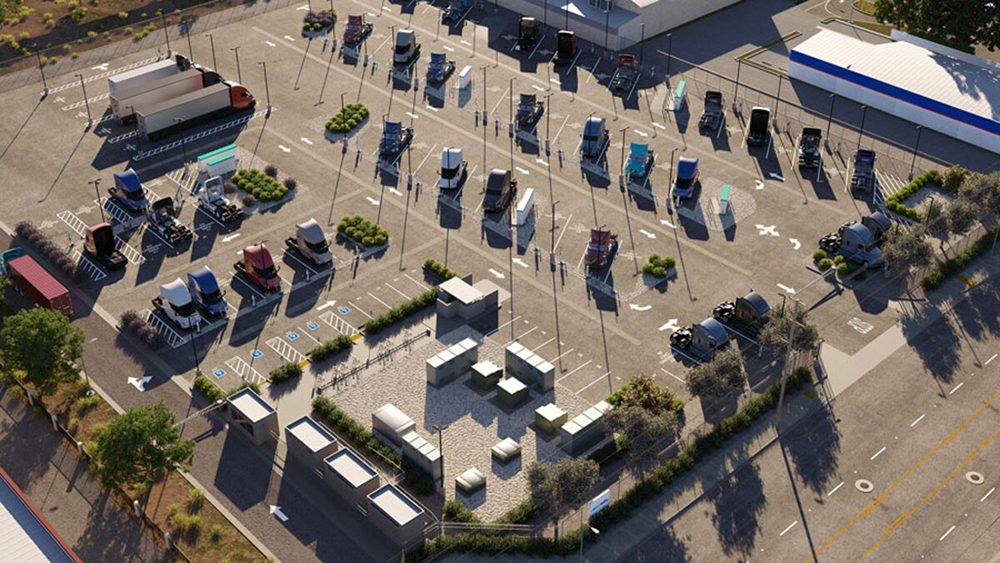
Commercial properties in Los Angeles face unique EV charging requirements, particularly businesses planning to transition their vehicle fleets to electric. Unlike residential installations, commercial locations must address much higher electrical demands, multiple charging stations, and often complex load management scenarios. Our detailed article on planning EV charger infrastructure in Los Angeles covers the critical decisions businesses must make when implementing charging networks. For fleet operators, school districts, municipalities, and large commercial property owners, EV charging represents both a sustainability opportunity and an operational challenge that requires careful planning.
Commercial installations often require 480-volt three-phase service and sophisticated electrical panel upgrades. Shaffer Construction commercial EV charger installation services include complete electrical assessment, load management system design, and installation of Level-2 and DC fast charging stations. We have helped numerous Los Angeles businesses install charging infrastructure that accommodates current fleet needs while leaving room for future expansion. When a business commits to electrifying its fleet, the charging infrastructure becomes as critical as the vehicles themselves, and getting the electrical foundation right is essential.
The 2025 CalGreen Code updates require that 70 to 100 percent of parking spaces in new commercial construction include low-power Level-2 receptacles, with at least 10 to 25 percent featuring fully installed chargers. These requirements mean commercial property owners must plan electrical infrastructure carefully from the beginning. Shaffer Construction electrical load studies help property owners and developers understand the true electrical demands of comprehensive EV charging networks, ensuring adequate panel capacity and proper installation methods. We also help identify which chargers might benefit from load management systems that automatically balance power distribution across multiple chargers.
Electrical Infrastructure Upgrades: The Foundation of EV Charging
EV charger installation is fundamentally an electrical project, and the success of any charging installation depends on proper electrical infrastructure. According to the 2025 California building code updates, electrical demands can increase by 200 to 400 percent when adding EV charging capability to a property. This means most properties need significant electrical upgrades, including new wiring, conduit, and panel capacity increases. Understanding these requirements before you purchase chargers is critical—ordering a Level-2 charger without knowing if your panel can support it will result in expensive complications.
Shaffer Construction expertise extends beyond simple charger installation. We perform comprehensive electrical load studies that analyze your property current electrical usage, available panel capacity, and the specific demands of EV charging. These studies are critical for understanding what upgrades are needed before purchasing and installing chargers. A residential property typically needs a 100-200 amp service upgrade, while commercial properties may need much larger capacity increases. Our load studies provide a clear roadmap of what is needed, the timeline for implementation, and realistic cost estimates for electrical upgrades.
The 2025 National Electrical Code (NEC), taking effect in California in 2026, includes new provisions for Energy Management Systems that share power between EV charging stations and other building loads. This advancement allows for more efficient use of electrical capacity, particularly in commercial settings where multiple chargers operate simultaneously. Shaffer Construction team understands these emerging standards and designs installations that can adapt to evolving code requirements. We can help you implement systems today that will remain compliant and efficient as new standards take effect.
Financial Incentives and the End of Federal Tax Credits
Los Angeles residents planning EV charger installation should be aware of significant incentive changes in 2025. The federal electric vehicle tax credit of up to $7,500 for new vehicles and $4,000 for used vehicles ended on September 30, 2025. Additionally, federal rebates for home EV charger installation, which previously offered up to $1,000 in incentives, are no longer available at the federal level. This represents a major shift in the incentive landscape and makes the timing of your installation decision more important than ever.
However, California and Los Angeles continue to offer substantial incentives. Beyond the LADWP rebates mentioned earlier, some Los Angeles neighborhoods and utilities offer additional programs. The end of federal incentives makes this an opportune time to consult with Shaffer Construction about current local programs and to plan your installation strategically. Since many incentive programs have annual budget limits, acting quickly can help you access available funding. We stay informed about all available rebate programs and can help you maximize the financial support available for your installation.
Smart Charging Technology and Grid Integration
As Los Angeles EV charging network expands, smart charging technology is becoming increasingly important for both efficiency and grid stability. Modern EV chargers can now utilize live grid data and utility rates to automatically charge vehicles when renewable energy is most available and electricity is cheapest. This capability not only saves property owners money but also helps stabilize the electrical grid during peak demand periods. When thousands of EV chargers can intelligently adjust their charging patterns based on grid conditions, the entire electrical system becomes more resilient and efficient.
Shaffer Construction works with property owners to select and install smart charging systems that integrate with home energy management systems. These systems are particularly valuable for commercial properties that operate multiple chargers, allowing load management systems to distribute power efficiently across all connected chargers. As California continues to increase renewable energy on the grid, smart charging technology will play an increasingly critical role in balancing supply and demand. Property owners who invest in smart charging infrastructure today are positioning themselves for maximum efficiency and cost savings as the grid evolves.
Future-Proofing Your Property for EV Charging
Whether you are installing a charger today or planning for the future, understanding current best practices and standards is essential. As explained in our detailed guide on preparing Los Angeles buildings for the EV charging boom, strategic planning now will save money and complications later. The cost of installing electrical infrastructure and panel upgrades is often lower when done as part of a planned upgrade rather than as an emergency response to new charger requirements.
Shaffer Construction can help you assess your property condition, understand what upgrades might be needed in the future, and plan installations that position your home or business for long-term EV readiness. Even if you cannot install chargers immediately, planning your electrical system with EV readiness in mind costs far less than retrofitting after the fact. We work with homeowners and property managers to create practical, phased approaches to EV infrastructure that fit within budgets and timelines.
Conclusion
Los Angeles is experiencing unprecedented growth in EV charging infrastructure, driven by new technology, favorable policies, and increasing consumer demand. The arrival of 90 new curbside chargers, Gravity ultra-fast charging network, and continued expansion of light-pole charging solutions demonstrates the city commitment to supporting electric vehicle adoption. For property owners considering EV charger installation—whether residential or commercial—the time to act is now, before federal incentives completely expire and local programs reach capacity limits. The electrical work required for EV charging is complex and must be done right, and the infrastructure decisions you make today will affect your property for decades.
Shaffer Construction, Inc. is your trusted partner for navigating the technical, electrical, and logistical complexities of EV charger installation in Los Angeles. From initial electrical load studies to complete installation and code compliance, our team has the expertise to deliver professional, reliable EV charging solutions for your home or business. Contact us today to discuss your EV charging needs and schedule a comprehensive electrical assessment. Call 323-642-8509 or email hello@shaffercon.com to speak with our team. Visit shaffercon.com to learn more about our complete range of electrical services, including residential and commercial EV charger installation, electrical load studies, panel upgrades, and safety inspections.