
Commercial Electrical Systems: Navigating the Complexities
Introduction
Commercial electrical systems are far more complex than residential setups, requiring careful planning, professional installation, and ongoing maintenance to ensure safety, reliability, and compliance with modern regulations. In 2025, Los Angeles businesses face new demands: electric vehicle charging infrastructure, energy efficiency mandates, and increasingly sophisticated equipment that pushes electrical systems to their limits. Whether you're managing an office building, retail center, warehouse, or industrial facility, understanding the fundamentals of commercial electrical systems is essential. Shaffer Construction specializes in helping Los Angeles businesses navigate these complexities, from initial system design through installation, upgrades, and ongoing maintenance.
The Fundamentals of Commercial Electrical Systems
Commercial electrical systems differ fundamentally from residential systems in voltage capacity, complexity, and regulatory requirements. While residential systems typically operate at 120/240 volts single-phase, commercial buildings use three-phase power systems at 277/480 volts or higher, allowing them to distribute significantly more power across larger spaces. This increased capacity comes with increased complexity, requiring specialized equipment, skilled professionals, and rigorous code compliance.
A commercial electrical system consists of several critical components working in harmony. The main service entrance receives power from the utility company, where a meter measures consumption. From there, the power flows through the main breaker panel—a sophisticated distribution center that manages power flow to different areas of the building. Secondary panels, switchgear, transformers, and extensive wiring networks distribute electricity to lighting systems, HVAC equipment, machinery, and increasingly, EV charging stations. According to the National Fire Protection Association's National Electrical Code (NEC), each component must meet strict safety standards and installation requirements. Shaffer Construction ensures all installations comply with NEC standards and Los Angeles municipal codes.
The complexity increases exponentially with building size and function. A large office building requires not only sufficient power for lighting and climate control but also dedicated circuits for server rooms, emergency backup systems, and modern employee amenities. Understanding these requirements from the beginning—before any work begins—is crucial for avoiding costly mistakes and system failures later.
Load Analysis and Panel Upgrades: Meeting Modern Demands
One of the most common challenges commercial property owners face is insufficient electrical capacity. Many buildings in Los Angeles, especially older structures, were designed for electrical demands that are now woefully inadequate. A facility that once needed 200 amps might now require 400 or more to support modern equipment, increased technology usage, and new services like EV charging infrastructure.
This is where load analysis becomes critical. A proper electrical load study calculates the total power demand across all equipment, lighting, HVAC systems, and planned additions. This analysis goes beyond simply adding up the nameplate ratings of every device—it requires expertise in demand factors, diversity factors, and future expansion needs. The U.S. Department of Energy emphasizes that proper load calculation is essential for energy efficiency and safe operation. Shaffer Construction performs comprehensive electrical load studies that analyze your current system, project future needs, and recommend panel upgrades or electrical system improvements.
Panel upgrades are expensive—sometimes costing $10,000 to $50,000 or more depending on building complexity—but they're essential when your facility is near or exceeding capacity. Signs that your system needs an upgrade include frequent breaker trips, dimming lights when major equipment starts, warm spots on panel covers, or simply the inability to add new circuits. A professional load study can also reveal opportunities to optimize your current system before upgrading, potentially reducing energy costs immediately. This is where Shaffer Construction's expertise in both analysis and implementation provides exceptional value.
The Rising Importance of EV Charging Infrastructure
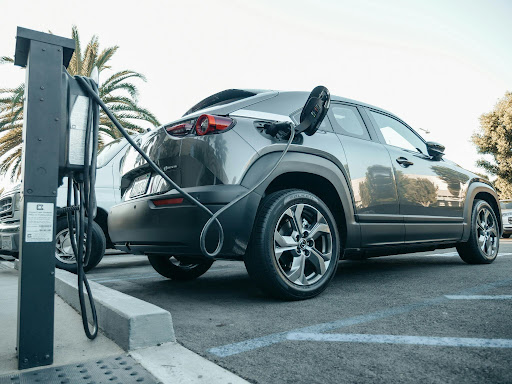
Perhaps the most significant shift in commercial electrical system design over the past few years is the integration of electric vehicle charging stations. What was once a novelty amenity has become an expectation for modern businesses. As detailed in our comprehensive article about EV charging infrastructure in 2025, Los Angeles is leading the nation in EV adoption, and commercial properties that offer charging stations gain a competitive advantage in attracting customers, clients, and talented employees.
Installing EV chargers isn't as simple as plugging in a unit and calling it done. Depending on the level of charging (Level 1 basic outlet charging, Level 2 standard charging at 240V, or DC fast charging), you may need significant electrical system upgrades. A single DC fast charger can require 50-350 kilowatts or more, far exceeding what many commercial buildings' existing systems can provide. This requires careful planning that considers current load capacity, future charging demand, available space, and permit requirements in your specific Los Angeles neighborhood. Our commercial EV charger installation services include complete system assessment, load study, permit acquisition, and professional installation that meets all regulatory requirements.
Shaffer Construction has installed EV charging systems for office buildings, retail centers, and parking facilities across Los Angeles. We understand that each property presents unique challenges: some have constrained electrical capacity requiring panel upgrades, others need creative solutions for existing buildings where adding new circuits is difficult. Our team works with you to find the optimal solution that maximizes charging capacity while staying within budget and timeline constraints.
Safety Standards and Code Compliance in Los Angeles
Los Angeles has some of the strictest building codes in the nation, particularly regarding electrical safety. The city's electrical code is based on the National Electrical Code (NEC) but includes additional local amendments covering everything from seismic considerations to specific inspection requirements. Non-compliance isn't just a legal risk—it's a safety issue that puts your facility, occupants, and business at serious risk.
Key safety considerations in commercial electrical work include proper grounding systems that protect against lightning and fault conditions, arc flash hazard mitigation to protect workers and equipment, surge protection for sensitive electronics, and backup power systems that keep critical operations running during outages. The complexity of these systems requires professionals with current knowledge of code requirements. Shaffer Construction's team maintains current certifications and regularly updates their knowledge of evolving code requirements. We serve as your advocate with city inspectors, ensuring that every system we design and install passes inspection first time, reducing delays and keeping your project on schedule.
Beyond the electrical code itself, commercial properties must also consider requirements from other regulations. If your building houses a data center, medical facility, laboratory, or other specialized use, additional code requirements may apply. Modern sustainability requirements in Los Angeles also increasingly favor buildings with high-efficiency electrical systems and renewable energy integration capabilities. Proper planning from the start ensures your facility meets all applicable requirements and positions you well for future compliance.
Energy Efficiency and Long-Term Cost Savings
Commercial buildings consume enormous amounts of electrical energy, typically the largest operating expense after personnel costs. A 50,000 square foot office building might spend $200,000 or more annually on electricity. Even modest efficiency improvements—reducing consumption by just 10-15%—can save $20,000-$30,000 annually, with significant additional benefits for the environment.
Modern commercial electrical systems offer unprecedented opportunities for efficiency. LED lighting systems use 75% less energy than traditional incandescent and fluorescent systems while providing superior light quality. Variable frequency drives on motors and HVAC equipment allow equipment to operate at optimal efficiency rather than running at full capacity constantly. Power factor correction systems reduce reactive power charges from utilities. Demand control systems can manage peak loads to reduce demand charges, which often represent 40-50% of commercial electricity bills.
The key is designing these efficiency measures into your electrical system from the beginning, rather than trying to retrofit them later. When Shaffer Construction performs electrical system upgrades, we incorporate efficiency improvements into the design. This often increases upfront costs modestly but delivers payback in 3-5 years through reduced energy consumption, improved equipment reliability, and lower maintenance costs.
Planning for the Future: Scalability and Flexibility
Businesses change. What works today may be inadequate tomorrow. A successful commercial electrical system must accommodate growth, technological changes, and unforeseen needs. This requires designing systems with sufficient spare capacity, planning for future circuit additions, and choosing equipment that can be expanded without complete replacement.
This forward-thinking approach is especially important for rapidly developing areas of Los Angeles. Properties near new transit corridors, in revitalizing neighborhoods, or near major employment centers may face significant changes in the next 5-10 years. What if your building is converted to a different use? What if you need to add significant new technology infrastructure? What if your parking lot adds EV chargers to increase property value? A properly designed electrical system accommodates these possibilities without requiring complete redesign.
Shaffer Construction takes this broader view when assessing your electrical needs. We ask not just what you need today, but what you might need tomorrow. We design systems with room to grow, using equipment that's standard and well-supported in the industry, and creating clear documentation of your system so future contractors understand your infrastructure.
Conclusion
Commercial electrical systems are complex, but they don't need to be overwhelming. By understanding the fundamentals, investing in proper planning and analysis, and working with experienced professionals, you can ensure your electrical system is safe, efficient, compliant, and ready for the future.
Shaffer Construction brings 20+ years of experience navigating Los Angeles's complex electrical landscape. We specialize in comprehensive solutions: load studies that accurately assess your needs, panel upgrades that increase capacity safely, EV charging installations that position your property for success, and ongoing maintenance that keeps everything running smoothly. Whether you're planning a new commercial facility, upgrading an existing system, or adding EV charging infrastructure, our team understands the unique challenges of Los Angeles properties and has the expertise to deliver solutions that work.
Contact Shaffer Construction, Inc. today to schedule a consultation with one of our electrical specialists. Call us at 323-642-8509, email hello@shaffercon.com, or visit shaffercon.com to learn more about how we can help optimize your commercial electrical systems. Let's work together to ensure your Los Angeles business has the safe, efficient, future-ready electrical infrastructure it needs to thrive.