
Expanding Electric Vehicle Charging Infrastructure: Key Developments and Community Efforts
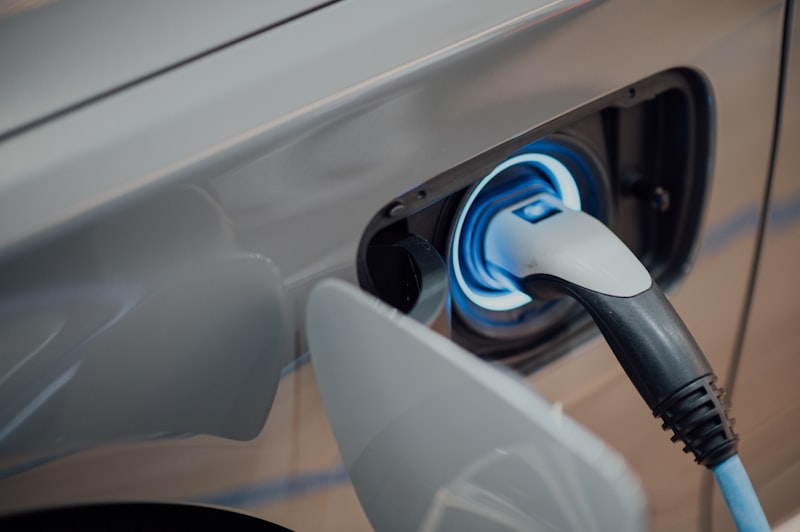
Introduction: The EV Charging Revolution in Los Angeles and Beyond
Electric vehicle adoption is accelerating rapidly across the United States, and with it comes an unprecedented demand for reliable, accessible charging infrastructure. Los Angeles stands at the epicenter of this transformation, with aggressive mandates requiring new construction to include EV charging capabilities and incentives driving both residential and commercial installations. As vehicle electrification becomes mainstream in California and nationwide, communities are investing billions in expanding charging networks, upgrading electrical infrastructure, and developing innovative solutions to support sustainable transportation. Shaffer Construction, Inc. is leading this charge in Los Angeles, delivering expert EV charger installation services that combine technical excellence with comprehensive electrical system upgrades. Whether you're a property owner, developer, or business manager, understanding the latest developments in EV charging infrastructure is essential for making informed decisions about your own charging needs.
Federal Funding and National Expansion of EV Charging Networks
The United States government has committed substantial resources to building out EV charging infrastructure across the country. Through the Bipartisan Infrastructure Law and various federal grant programs administered by the Department of Energy and Department of Transportation, billions of dollars have been allocated to create a cohesive national network of electric vehicle chargers. According to recent Department of Energy announcements, the goal is to establish over 500,000 EV charging stations nationwide by 2030, with a focus on strategic placement along highways, in underserved communities, and in urban centers like Los Angeles.
These federal initiatives represent a fundamental shift in transportation policy, moving from gasoline-based infrastructure to electric power. The investment goes beyond simply installing chargers—it includes modernizing electrical grids, upgrading utility systems, and ensuring that communities have the capacity to support large-scale EV adoption. For Los Angeles property owners and businesses, this means increased availability of public charging options, reduced pressure on home and workplace charging systems, and growing incentives for adding EV chargers to residential and commercial properties.
Shaffer Construction has extensive experience navigating federal grant requirements and incentive programs. If your organization is considering an EV charging installation project with federal funding, our team can guide you through the technical specifications and electrical infrastructure requirements necessary to qualify for and maximize these grants.
California's Aggressive EV Infrastructure Goals and Los Angeles Implementation
California leads the nation in EV adoption, and state-level initiatives have set ambitious targets for charging infrastructure expansion. The state has secured hundreds of millions in federal transportation funding to deploy EV charging stations across key corridors, urban centers, and commercial districts. California's plan includes strategic investment in fast-charging networks along highways, targeted deployment in disadvantaged communities to ensure equitable access, and requirements for new commercial and residential developments to include EV-ready infrastructure.
Los Angeles specifically has adopted some of the nation's most progressive EV policies. The city has mandated that new commercial developments include EV charging capacity, and many existing properties are retrofitting their electrical systems to accommodate charger installations. This creates both challenges and opportunities—challenges because it requires significant electrical infrastructure upgrades, and opportunities because early adopters can take advantage of incentive programs and position themselves as sustainable operations.
As discussed in our comprehensive guide to preparing Los Angeles buildings for the EV charging boom, proper planning and professional installation are critical to success. The electrical upgrades required for EV charging often involve panel replacements, new circuits, and load balancing—areas where Shaffer Construction specializes with detailed electrical load studies to ensure your system can safely support current and future charging demands.
Technological Advances and Modern Charging Solutions
The EV charging technology landscape has evolved dramatically, with innovations in charging speed, smart grid integration, and vehicle-to-home capabilities changing how consumers approach electrification. Fast-charging technology has improved significantly, with Level 3 DC fast chargers now capable of adding 200 miles of range in under 30 minutes, making long-distance EV travel increasingly practical. Meanwhile, advances in smart charging systems allow property owners to optimize charging times, reduce energy costs, and balance electrical loads intelligently.
For residential applications, the choice between Level 1, Level 2, and Level 3 chargers depends on your vehicle, available electrical capacity, and usage patterns. Most Los Angeles homes benefit most from Level 2 chargers installed in garages, providing adequate overnight charging for daily commutes while avoiding the expense of expensive DC fast-charging infrastructure. Commercial applications often require a mix of Level 2 and Level 3 chargers to serve employee and customer needs while maintaining grid stability.
Shaffer Construction stays current with the latest EV charging technology standards and best practices. Our residential EV charger installation services include detailed consultations to match the right charging solution to your specific needs, combined with professional electrical installation that meets all California electrical code requirements and local permitting standards.
Public-Private Partnerships Driving Community Infrastructure Development
Beyond government investment, private companies and utilities are collaborating with municipalities to expand charging networks strategically. ChargePoint, Tesla Supercharging, Electrify America, and other operators are expanding networks in California, while local utilities like Southern California Edison are developing programs to support residential and commercial EV charger installations. These partnerships recognize that sustainable EV infrastructure requires coordination between public agencies, private businesses, and individual property owners.
Los Angeles has seen significant growth in both public and workplace charging options, reducing the burden on homeowners and renters to rely exclusively on residential charging. However, most EV owners still prefer the convenience and economy of home charging when available, making residential EV charger installation one of the most impactful decisions a property owner can make. As covered in our 2025 guide to EV charging infrastructure for Los Angeles property owners, strategic planning and professional installation ensure that your charging system adds value to your property while meeting your transportation needs.
Planning Your EV Charging Installation: What Los Angeles Property Owners Should Know
Installing EV charging infrastructure at your Los Angeles property requires careful planning and professional expertise. The process involves assessing your electrical panel capacity, determining the appropriate charger level for your needs, obtaining permits from the city, and executing professional installation to code. Many property owners discover that their existing electrical systems cannot support the charger they want without significant upgrades, which is why working with experienced contractors is essential from the planning stage onward.
Key considerations include the distance from your electrical panel to the proposed charging location, your current electrical service capacity, future plans for additional vehicles or appliances, and your budget constraints. For commercial applications, commercial EV charger installation adds complexity due to higher power requirements, multiple vehicle accommodation, and business continuity requirements, but the benefits include enhanced tenant/customer satisfaction, reduced operating costs, and competitive advantage in attracting environmentally conscious users.
Shaffer Construction provides comprehensive EV charging consultation services that begin with a thorough assessment of your electrical infrastructure. We identify any upgrades or panel modifications needed, secure all necessary permits from the City of Los Angeles, and execute installation to the highest standards. Our team understands the unique challenges of Los Angeles properties—from older homes with limited electrical capacity to complex commercial buildings with sophisticated power management needs.
The Community Effort: Education, Incentives, and Sustainable Transportation
Community engagement plays a vital role in accelerating EV adoption and charging infrastructure development. Educational initiatives help property owners understand their options, incentive programs reduce upfront installation costs, and community goals create momentum for change. Los Angeles has launched multiple awareness campaigns and incentive programs to encourage residential EV charger installation, recognizing that charging access directly influences EV purchasing decisions.
Incentive programs at federal, state, and local levels can significantly reduce the cost of EV charger installation. The Federal Investment Tax Credit, California Clean Vehicle Rebate Project incentives, and utility company rebates have collectively made EV charging more affordable than ever before. Smart property owners and businesses are taking advantage of these programs now, before funding runs out or incentive levels decrease.
Beyond individual installations, the cumulative effect of community-wide charging infrastructure development strengthens the electric grid, reduces transportation-related emissions, and positions Los Angeles as a leader in sustainable urban transportation. Every new EV charger installation contributes to this broader mission while delivering personal benefits to the property owner through improved vehicle charging convenience, potential energy savings through optimized charging, and increased property value.
Conclusion: Your Next Steps in EV Charging Infrastructure
The expansion of electric vehicle charging infrastructure represents one of the most significant shifts in transportation in decades. From federal funding initiatives to state-level mandates to community partnerships, every level of government and private industry is working to make EV charging accessible, convenient, and affordable. Los Angeles is at the forefront of this transformation, and property owners and businesses have an unprecedented opportunity to become part of the solution.
Whether you're considering a residential EV charger installation, planning a commercial charging network for your business, or need to upgrade your electrical infrastructure to support EV charging, Shaffer Construction, Inc. is your trusted partner in Los Angeles. Our team combines deep technical expertise with comprehensive understanding of local permitting requirements, electrical code standards, and the latest charging technology. We've helped hundreds of Los Angeles properties successfully add EV charging infrastructure, and we're ready to help you navigate this important transition.
Contact Shaffer Construction, Inc. today to discuss your EV charging project. Call us at 323-642-8509, email hello@shaffercon.com, or visit us at 325 N Larchmont Blvd. #202, Los Angeles, CA 90004. Let us help you invest in reliable, future-proof EV charging infrastructure that supports your transportation needs while contributing to a cleaner, more sustainable Los Angeles.