Navigating Power Problems: Essential Tips for Home Electrical Systems
Introduction
Your home's electrical system is one of the most critical infrastructure elements keeping your family safe and your appliances running smoothly. In 2025, electrical safety standards continue to evolve, and Los Angeles homeowners need to understand the latest best practices to protect their homes and families. Whether you're dealing with an aging panel that can't support modern electronics, planning to install an EV charger, or simply want to ensure your wiring meets current safety standards, Shaffer Construction, Inc. is here to guide you through these important decisions. As a trusted electrical contractor in Los Angeles, we've helped hundreds of homeowners navigate electrical challenges and upgrade their systems for modern needs.
Understanding Modern Electrical Safety Standards in Your Home
The electrical codes that govern residential installations have become increasingly sophisticated, with the 2026 NEC (National Electrical Code) introducing updated requirements for modern devices and emerging technologies. Two critical safety innovations are GFCI outlets (Ground Fault Circuit Interrupters) and AFCI outlets (Arc Fault Circuit Interrupters), both of which protect your home from dangerous electrical hazards.
GFCI outlets protect against ground faults—situations where electricity escapes its intended path and potentially travels through water or a person. According to resources from Safe Electricity, GFCI outlets should be installed anywhere moisture is present, including kitchens, bathrooms, laundry rooms, garages, and outdoor spaces. These outlets detect electrical imbalances in milliseconds and shut off power before serious injury can occur. As a Los Angeles electrical contractor, Shaffer Construction recommends testing your GFCI outlets monthly using the test and reset buttons to ensure they're functioning properly.
AFCI outlets, on the other hand, detect dangerous arcing—a condition where electricity jumps across gaps in wiring. The 2025 National Electrical Code requires AFCI protection in bedrooms, living rooms, dining rooms, kitchens, family rooms, recreation rooms, and many other areas of residential homes. Arcing can occur due to damaged wiring, loose connections, or age-related deterioration, and AFCIs can prevent electrical fires before they start. Shaffer Construction ensures all electrical work meets or exceeds these critical safety requirements.
Electrical Panel Capacity and the Need for Upgrades
Many Los Angeles homes, particularly those built before the 1980s, have electrical panels with only 60 to 100 amps of capacity. This was adequate when homes had fewer appliances and electronics, but modern households with air conditioning, electric heat, dishwashers, home offices, and other power-hungry devices often exceed these limits. Installing an EV charger makes an upgrade essential.
The California Electrical Code requires a minimum 100-amp service for average homes, but realistically, most modern homes need 200 to 250 amps to safely support current electrical loads. A proper electrical load study can determine your home's actual capacity needs and whether your panel supports additional circuits. Signs you need an upgrade include frequent circuit breaker trips, flickering lights, a burning smell near outlets, or an electrician recommending increased amperage for new installations. Shaffer Construction specializes in electrical load studies that assess your panel's capacity and determine whether an upgrade is necessary before adding new electrical systems.
In Los Angeles, all electrical panel upgrades require a permit from the Los Angeles Department of Building and Safety (LADBS). A licensed electrician must pull the permit and ensure all work complies with local codes. This process typically takes one to two weeks, but it's essential for safety, resale value, and proper insurance coverage. Shaffer Construction handles the entire permitting process, saving you time and ensuring your upgrade meets all Los Angeles requirements.
Protecting Your Home from Common Electrical Hazards
Beyond GFCI and AFCI protection, several other practices help prevent electrical fires and hazards in your home. Circuit breakers serve as the first line of defense, protecting against both overloads and short circuits. However, overloaded circuits remain a leading cause of electrical fires, especially in homes where power strips are daisy-chained together or where too many high-power devices share a single outlet.
Proper wiring practices are equally important. Older homes may have outdated wiring that deteriorates over time, with insulation becoming brittle and exposing live conductors. Signs of faulty wiring include discolored outlets, burning smells, sparks when plugging in appliances, or frequent shocks. Never attempt DIY electrical repairs—always hire a licensed electrician like Shaffer Construction to diagnose and resolve wiring problems. Using power strips with surge protection can help manage multiple devices, but they should never be permanently installed or used as permanent circuit solutions.
Regular electrical inspections are one of the most cost-effective ways to identify problems before they become dangerous. A professional inspection can detect hidden hazards like aluminum wiring (which poses fire risks), poor connections, inadequate grounding, and deteriorating insulation. Shaffer Construction recommends having a full electrical inspection every 5 to 10 years, especially before major additions or renovations.
EV Charger Installation and Electrical Requirements
If you're considering purchasing an electric vehicle, understanding the electrical requirements for home charging is critical. Many Los Angeles homeowners are surprised to learn that simply adding a charger isn't as simple as installing an outlet—it requires careful electrical planning and often a panel upgrade or significant circuit additions.
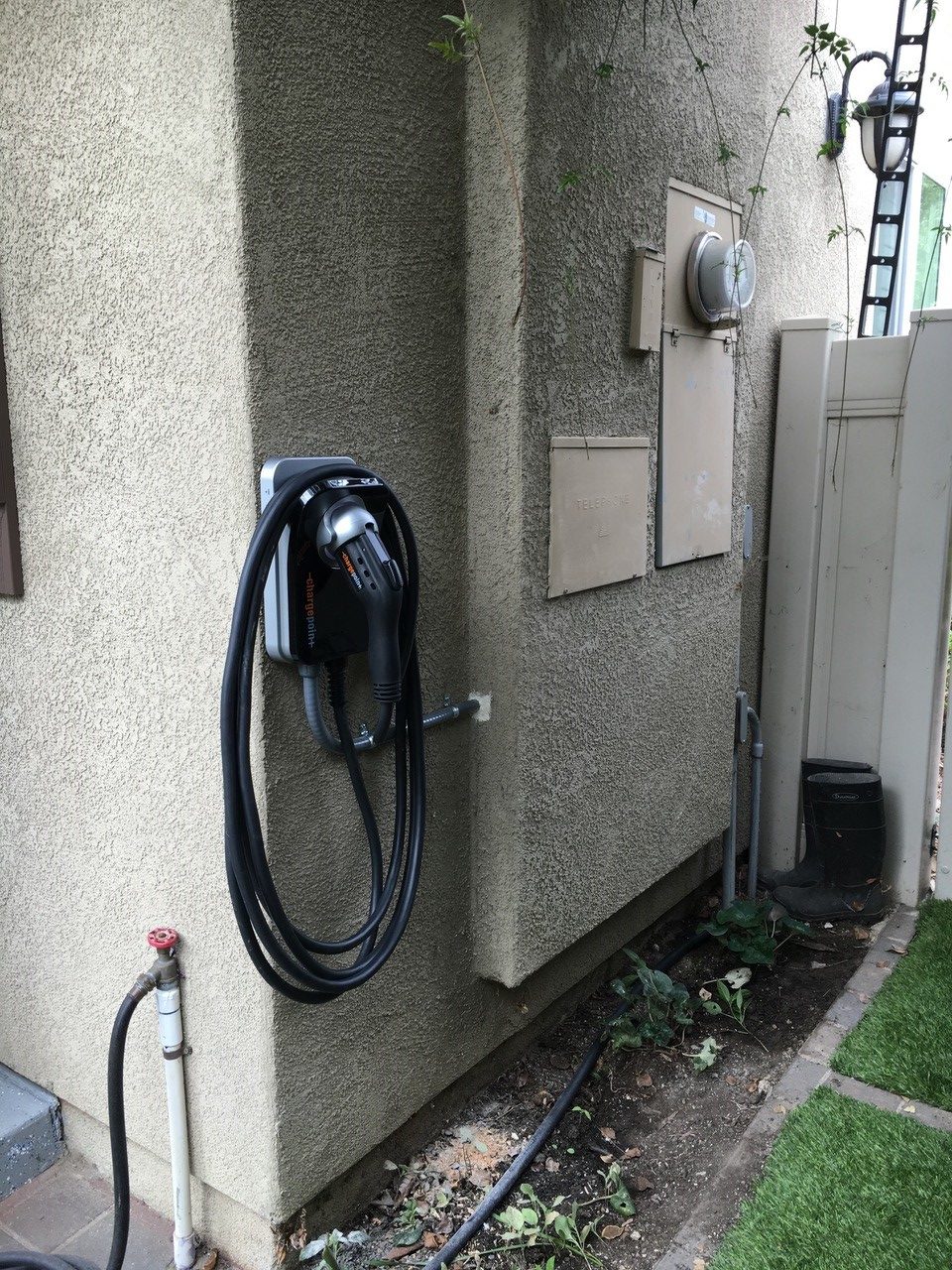
Level 2 chargers, which provide practical daily charging for most EV owners, require a dedicated 240-volt circuit with amperage based on your vehicle's charging speed. Most Level 2 chargers need between 30 and 60 amps of dedicated circuit capacity. The circuit breaker must be sized at least 125% of the charger's amperage rating—for example, a 40-amp charger requires a 50-amp breaker. This is a requirement under NEC Article 625 (Electric Vehicle Charging Systems) and is essential for safe, code-compliant installation.
Your home's existing electrical service capacity is the first consideration. If your panel has available slots and sufficient amperage capacity, installation might be straightforward. However, homes with older 100-amp service panels almost always require an upgrade to safely support an EV charger alongside existing loads. This is why an electrical load study is essential before EV charger installation. Shaffer Construction performs these studies to calculate your home's current demand, identify available capacity, and recommend the most cost-effective installation approach. For more information about planning your EV charger installation, see our guide on EV charger installation in Los Angeles.
In Los Angeles, EV charger installation requires an electrical permit, and the entire process—from engineering to final inspection—typically takes two to four weeks. Shaffer Construction manages all permitting with LADBS and ensures your residential EV charger installation meets all safety standards and building codes. Many Los Angeles homeowners also qualify for rebates and incentives that can offset installation costs, and we can guide you through available programs.
Planning for Future Electrical Needs and Smart Upgrades
As you plan electrical upgrades or new installations, consider your home's future needs. Today's electrical systems must support not just traditional loads, but also potential EV charging, electric heating, heat pump systems, and distributed solar energy. A properly sized panel with adequate spare capacity today prevents costly upgrades later.
Smart home technology can also enhance your electrical system's efficiency and safety. Smart monitoring systems allow you to track energy consumption in real-time, identifying which appliances are using the most power and helping you make informed decisions about usage and upgrades. Programmable thermostats, automated lighting, and demand-response systems can reduce your overall electrical load and lower utility costs. However, these devices require proper wiring and sometimes dedicated circuits, making professional installation essential. Shaffer Construction can integrate smart technology into your electrical infrastructure while ensuring all work meets current codes.
Los Angeles's push toward renewable energy and EV adoption means more homeowners will soon need electrical upgrades and new circuits. Planning ahead—rather than making reactive emergency repairs—ensures safer, more cost-effective solutions. As discussed in our comprehensive guide about preparing Los Angeles buildings for the EV charging boom, early planning is key to avoiding expensive retrofits.
Taking Action: Getting Your Home Electrical System Inspected
The best time to address electrical safety is now, before a problem becomes a crisis. If your home was built before the 1990s, if you're experiencing any signs of electrical problems, or if you're planning any major electrical additions, schedule a professional electrical inspection. An experienced electrician can assess your panel capacity, verify that all safety devices are properly installed and functioning, identify any code violations, and recommend cost-effective improvements. For detailed guidance on making electrical decisions, explore our article on how to decide on and plan your EV charger installation project.
Conclusion
Home electrical safety isn't a one-time project—it's an ongoing responsibility that protects your family, your property, and your investment. Understanding modern safety standards, ensuring your panel has adequate capacity, maintaining proper GFCI and AFCI protection, and planning for future needs are all essential components of a safe, functional electrical system. Whether you need a simple GFCI outlet replacement, a full electrical inspection, or a comprehensive panel upgrade to support an EV charger, professional help is always the safest choice.
For expert electrical services in Los Angeles, including inspections, panel upgrades, electrical load studies, and EV charger installation, contact Shaffer Construction, Inc. today. Our licensed electricians understand Los Angeles building codes and safety standards, and we're committed to keeping your home safe and your electrical system efficient. Call us at 323-642-8509 or email hello@shaffercon.com to schedule your electrical inspection and consultation. Visit shaffercon.com to learn more about our comprehensive electrical services for Los Angeles homeowners.