
LADBS Electrical Permit Process - Complete Step-by-Step Guide
Introduction
Navigating the Los Angeles Department of Building and Safety (LADBS) electrical permit process can seem daunting, but understanding the requirements and procedures ensures your electrical work is safe, legal, and code-compliant. Whether you're upgrading your electrical panel, installing an EV charger, or rewiring portions of your home, obtaining the proper permits protects you from penalties and ensures your work meets California's stringent safety standards. At Shaffer Construction, Inc., we handle electrical permits for our clients daily, managing the entire process from application through final inspection. This comprehensive guide walks you through everything you need to know about LADBS electrical permits, including when they're required, how to apply online or in-person, what documentation you'll need, typical costs, and the inspection process.
What is LADBS and Its Role in Electrical Safety
The Los Angeles Department of Building and Safety is the municipal agency responsible for enforcing building codes and ensuring construction safety throughout the City of Los Angeles. LADBS reviews building plans, issues construction permits, conducts inspections, and enforces compliance with the California Building Standards Code, which includes electrical, plumbing, mechanical, and structural requirements. For electrical work specifically, LADBS ensures all installations comply with the California Electrical Code (based on the National Electrical Code with California amendments) and local Los Angeles ordinances.
LADBS serves several critical functions in the permitting process. First, the department reviews electrical plans to verify they meet code requirements before work begins, preventing dangerous installations that could cause fires, electrocution, or property damage. Second, LADBS inspectors visit job sites at key stages to verify work is being performed according to approved plans and code standards. Finally, the department maintains permanent records of all permitted work, which becomes part of your property's official building history and can be crucial during property sales or insurance claims.
The department operates multiple Development Services Centers throughout Los Angeles, including locations in Metro (downtown), Van Nuys, West Los Angeles, San Pedro, and South Los Angeles. These centers provide in-person services for permit applications, plan reviews, inspections, and code enforcement. LADBS also offers comprehensive online services through PermitLA and ePlanLA platforms, which we'll explore in detail later in this guide.
When Electrical Permits Are Required in Los Angeles
Understanding when permits are required is essential for homeowners and contractors. Generally, any electrical work that involves adding new circuits, modifying electrical service, or installing major equipment requires an LADBS electrical permit. Here are the most common scenarios requiring permits in Los Angeles:
New Circuits: Installing any new electrical circuit in your home requires a permit. This includes adding circuits for new rooms, outdoor lighting, pool equipment, or additional outlets. Even if you're simply running a new circuit from your existing panel to a new location, LADBS requires plan review and inspection to ensure proper wire sizing, overcurrent protection, and safe installation methods.
Panel Upgrades or Replacements: Upgrading your electrical panel from 100 amps to 200 amps, replacing a defective or outdated panel, or installing a subpanel all require permits. Panel work is particularly scrutinized because improper installation can lead to electrical fires and hazardous conditions. As detailed in our comprehensive guide on residential electrical panel upgrades, these projects involve significant electrical work and always require professional installation and LADBS approval.
Service Upgrades: Increasing your home's electrical service capacity from the utility (LADWP in Los Angeles) requires coordination between LADBS and the Department of Water and Power. Service upgrades typically involve new service conductors, meter bases, and utility coordination, making them among the more complex permit applications.
Major Appliance Installations: Installing hardwired appliances that require dedicated circuits—such as electric water heaters, HVAC systems, electric ranges, or pool pumps—requires permits. Even if you're replacing an existing appliance with a similar model, if you're modifying the circuit or installation method, a permit is typically required.
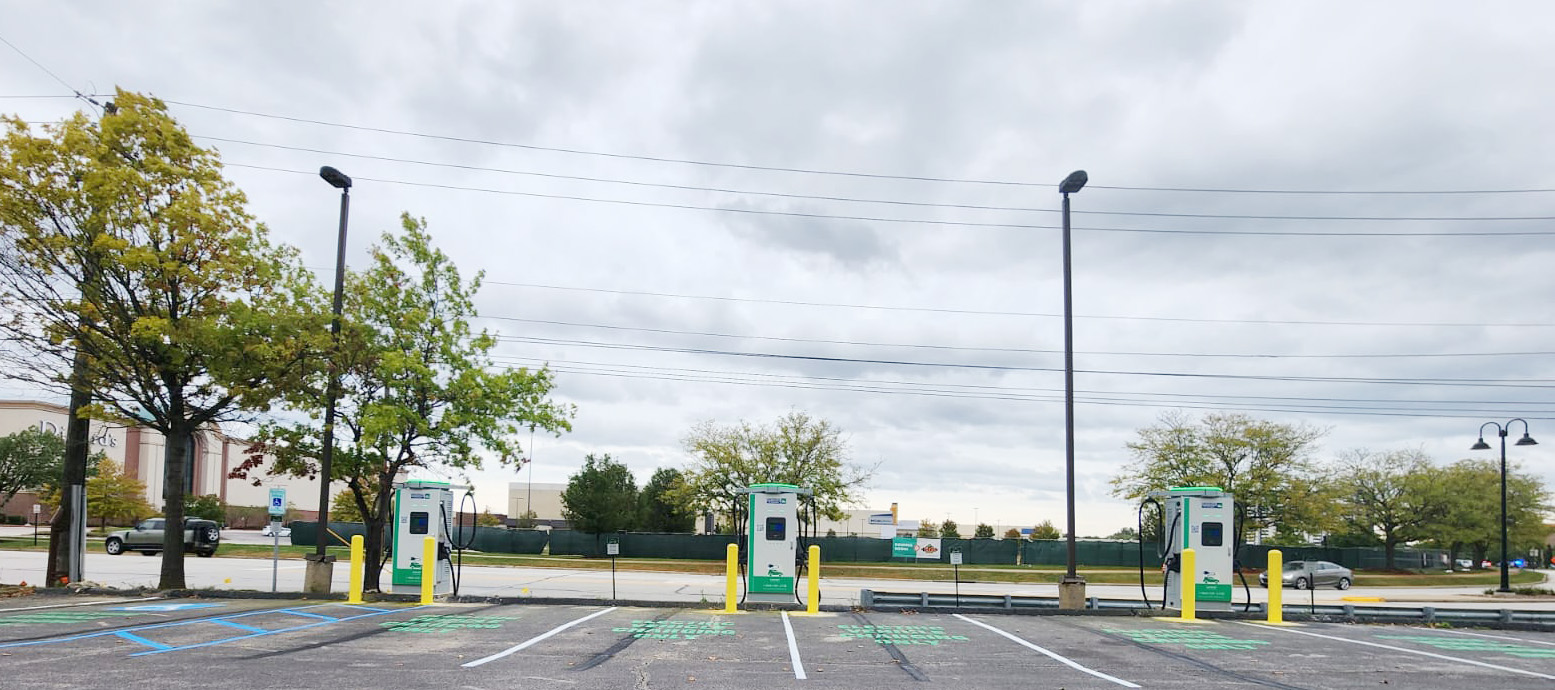
EV Charger Installations: Electric vehicle charger installations have become increasingly common in Los Angeles, and LADBS has streamlined the permitting process for these installations. Level 2 home chargers typically require 240-volt dedicated circuits with 40-60 amp capacity, making them significant electrical additions that require permits. Our detailed resource on planning and installing EV charging infrastructure explains the permitting requirements specific to these installations. For commercial properties and multi-family buildings, the permitting requirements can be more complex. For residential installations meeting specific criteria, LADBS now offers Express Permits that streamline the approval process.
Rewiring: Partial or complete home rewiring projects require permits. This includes replacing old knob-and-tube wiring, aluminum wiring remediation, or updating outdated electrical systems to modern standards. Rewiring projects typically involve opening walls, running new conductors, and ensuring compliance with current code requirements including AFCI and GFCI protection.
Commercial Electrical Work: All commercial electrical work requires permits, regardless of scope. Commercial installations must comply with additional code requirements beyond residential standards, including emergency lighting, exit signs, commercial-grade equipment, and specific wiring methods. For commercial property owners, understanding these requirements is essential—our guide on upgrading commercial electrical systems provides comprehensive information about commercial permit requirements.
When Permits Are NOT Required
Not all electrical work requires permits. LADBS recognizes that minor repairs and simple device replacements can be performed without formal permits. Understanding these exemptions prevents unnecessary paperwork while still ensuring safety compliance. Generally, permits are not required for the following:
Replacing Existing Devices: Replacing a switch, outlet, or light fixture with a similar device in the same location does not require a permit. For example, upgrading from a standard switch to a dimmer switch, or replacing a worn outlet with a new one of the same type, falls under routine maintenance. However, if you're changing the type of device—such as replacing a standard outlet with a GFCI outlet where one wasn't required before—it's wise to consult with a licensed electrician to determine if a permit is needed.
Lamp Fixture Replacement: Swapping out light fixtures with equivalent replacements does not require permits, provided you're not adding new circuits or modifying the electrical box.
Minor Repairs: Repairing damaged cords, replacing plug ends, or fixing minor electrical issues that don't involve your home's permanent wiring system typically don't require permits.
However, these exemptions come with important caveats. First, all work—even minor repairs—must still comply with electrical codes. Second, if you're unsure whether your project requires a permit, it's always safer to contact LADBS or consult with a licensed electrician. The penalties for performing unpermitted work far exceed the cost of obtaining the proper permits, as we'll discuss later in this guide.
LADBS Online Permit Application: The PCIS and PermitLA System
LADBS has modernized its permitting process with comprehensive online systems that make applying for electrical permits more convenient than ever. The department offers two primary online platforms depending on your project type: PermitLA for Express Permits and ePlanLA for projects requiring plan review.
PermitLA for Express Permits: The PermitLA system, accessible at www.permitla.org, is designed for straightforward projects that don't require detailed plan review. Many residential electrical projects qualify for Express Permits, including installations with voltage less than 600 volts and up to 400 amps total load in existing buildings. The Express Permit process is significantly faster than regular plan check, often issuing permits the same day or within 24-48 hours.
According to LADBS Express Permit guidelines, eligible electrical work includes EV charger installations meeting specific criteria, service upgrades to 400 amps or less, panel replacements with equivalent capacity, and circuit additions that don't require structural modifications or complex load calculations. The system automatically determines eligibility based on the information you provide during application.
ePlanLA for Plan Review Projects: More complex electrical projects requiring detailed plan review must use the ePlanLA system. This includes commercial installations, large-scale residential projects, service upgrades exceeding 400 amps, and work requiring engineered plans or structural modifications. ePlanLA allows you to upload complete plan sets, track review progress, and receive electronic plan check corrections.
Both systems require creating an Angeleno Account, which provides access to all City of Los Angeles digital services. Once registered, you can manage multiple permit applications, track inspection schedules, and maintain a complete record of all your LADBS interactions. The online systems have largely replaced the old PCIS (Plan Check and Inspection System) that required in-person visits, though PCIS remains the backend system LADBS uses internally for processing.
Step-by-Step LADBS Electrical Permit Application Process
Applying for an LADBS electrical permit involves several distinct steps. Whether you're applying online or in-person, following this systematic approach ensures a smooth application process.
Step 1: Gather Required Information
Before beginning your application, compile all necessary information. You'll need your property address and Assessor's Parcel Number (APN), which you can find on your property tax statement or through the Los Angeles County Assessor's website. You'll also need a detailed description of the work to be performed, the licensed contractor's information (name, business address, and contractor's license number), and property owner information if you're a contractor applying on behalf of a homeowner. For load-bearing work or complex installations, you may need professional load calculations prepared by a licensed electrician or engineer.
Step 2: Create Your LADBS Online Account
If applying online, visit the LADBS website and create an Angeleno Account. This free account provides access to PermitLA, ePlanLA, and other city services. The registration process requires basic contact information and email verification. Once registered, log in to access the permitting systems.
Step 3: Determine Your Permit Type
Based on your project scope, determine whether you need an Express Permit (available through PermitLA) or a regular permit requiring plan review (through ePlanLA). The LADBS website provides detailed eligibility criteria. For most residential electrical work under 400 amps in existing buildings, Express Permits are available. Commercial work and complex residential projects typically require plan review.
Step 4: Complete the Permit Application
Fill out the online application form completely and accurately. Provide detailed work descriptions, including the number of circuits being added, panel capacity changes, equipment being installed, and any structural modifications required. Incomplete applications delay the review process and may be rejected, requiring resubmission.
Step 5: Upload Plans and Documentation
For projects requiring plan review, upload all required documentation including site plans, electrical drawings, load calculations, panel schedules, and equipment specifications. Plans must be clear, legible, and prepared according to LADBS standards. Many contractors use CAD software or professional plan services to create code-compliant drawings. Express Permits typically don't require detailed plans, but you may need to provide equipment specifications or simple diagrams showing the scope of work.
Step 6: Pay Permit Fees
LADBS calculates permit fees based on project valuation and complexity. The online system automatically calculates fees once you've entered your project details. Payment can be made online via credit card or electronic check. The system generates a receipt immediately upon payment. Fee amounts are discussed in detail in the next section.
Step 7: Submit Application
After completing all fields and uploading required documents, review your application carefully and submit it. Express Permit applications are typically processed within 24-48 hours. Regular plan review applications enter the review queue, and processing times vary from 1-4 weeks depending on complexity and current workload.
Step 8: Respond to Plan Check Corrections
For projects requiring plan review, LADBS plan checkers may identify code issues or request clarifications. You'll receive electronic notifications through ePlanLA detailing any corrections needed. Respond to corrections promptly by uploading revised plans or providing requested information. Some applications require multiple correction cycles before approval.
Step 9: Receive Permit Approval and Permit Card
Once approved, LADBS issues your electrical permit electronically. You'll receive a permit number and permit card, which must be posted visibly at the job site during all work and inspections. The permit card includes important information including permit number, approved scope of work, and inspection requirements.
In-Person Permit Applications at LADBS Centers
While online applications have become the standard, LADBS still accepts in-person permit applications at their Development Services Centers. In-person applications may be preferable for complex projects where you want to discuss requirements with plan checkers directly, for applicants uncomfortable with online systems, or when you need immediate permit issuance for Express Permit-eligible work.
To apply in person, visit one of the LADBS Development Services Centers during business hours. According to recent guidance on LADBS Express Permits, appointments are recommended but not always required for permit counter services. Bring all required documentation including completed application forms (available on the LADBS website for download), plans and specifications, contractor license information, and payment (credit card, check, or money order).
In-person applications follow the same review process as online applications, but you can receive immediate feedback on Express Permit applications and sometimes receive same-day permit issuance. For plan review projects, you'll submit your documents at the counter and receive a submittal receipt with instructions for checking review status online.
Required Documentation for Electrical Permits
Proper documentation is critical for permit approval. LADBS requires specific documents depending on your project type, but most electrical permits need the following:
Site Plan: A site plan shows your property boundaries, structures, and the location of electrical work. For service upgrades or exterior installations like EV chargers, site plans must show distances from property lines, other structures, and utility access points. Site plans don't need to be professionally drafted for simple projects—a clear hand-drawn diagram with accurate measurements is often acceptable for residential work.
Load Calculations: Load calculations demonstrate that your electrical system can safely handle the proposed installation. For panel upgrades, service increases, or significant additions like EV chargers, professional load calculations verify that your system won't be overloaded. Licensed electricians typically prepare these calculations using National Electrical Code methods. Our electrical load study services include comprehensive calculations that meet LADBS requirements and ensure your system is properly sized for both current and future needs.
Panel Schedule: A panel schedule lists all circuits in your electrical panel, showing circuit numbers, breaker sizes, and what each circuit serves. Updated panel schedules must reflect the proposed changes, showing new circuits being added and ensuring the total load doesn't exceed panel capacity. For panel replacements or upgrades, you'll need both existing and proposed panel schedules.
Contractor License Information: California law requires licensed contractors to perform most electrical work. Your permit application must include the electrical contractor's license number, business name, and address. LADBS verifies contractor licenses with the California Contractors State License Board. Using unlicensed contractors not only violates the law but also jeopardizes your permit approval and insurance coverage.
Property Owner Information: Permit applications require property owner authorization. If you're a contractor, you'll need the property owner's signature on the application. Homeowners applying for their own permits must provide proof of property ownership, such as a property tax statement or title document.
Equipment Specifications: For installations involving specific equipment—such as EV chargers, generators, or HVAC systems—you'll need manufacturer specifications showing electrical requirements, including voltage, amperage, and installation guidelines. These specifications help plan checkers verify that your installation meets code requirements and is properly sized.
LADBS Electrical Permit Fees and Costs
Understanding permit costs helps you budget accurately for your electrical project. LADBS calculates electrical permit fees based on project valuation, which is the estimated cost of the work including materials and labor. The fee structure includes several components:
Base Permit Fees: According to current LADBS fee schedules, base electrical permit fees typically range from $120 to $800 depending on project scope and valuation. Small projects like single-circuit additions might have permits in the $120-$200 range, while comprehensive panel upgrades or whole-house rewiring can reach $500-$800 or more.
Valuation-Based Calculation: LADBS uses a valuation table that assigns costs based on the type and scope of electrical work. For example, EV charger installations are assigned a standard valuation based on the charger capacity, while service upgrades use valuations based on amperage increases. The permit fee is then calculated as a percentage of this valuation.
Plan Check Fees: Projects requiring plan review incur additional plan check fees, typically calculated as a percentage of the permit fee (often around 65% of the permit fee). Express Permits don't include separate plan check fees since no detailed review is required, making them more economical for eligible projects.
Additional Fees: Certain circumstances trigger additional fees. If you're performing work without a permit and need to obtain an after-the-fact permit, you'll pay double the standard permit fee plus investigation fees. Revision fees apply if you need to modify approved plans after permit issuance. Re-inspection fees are charged if inspections fail and require multiple visits.
Typical Cost Examples: Based on current fee structures, here are approximate total costs for common projects: Installing a single EV charger with Express Permit typically costs $150-$250 in permit fees. Upgrading from a 100-amp to 200-amp panel runs $300-$500. Adding several new circuits for a room addition might cost $200-$400. Service upgrades to 400 amps can reach $600-$800 in permit fees. These estimates include all LADBS fees but not the cost of the actual electrical work.
The PermitLA and ePlanLA systems automatically calculate exact fees based on the project details you enter, providing transparency before you commit to payment. All permit fees must be paid before the permit is issued, and LADBS accepts credit cards, debit cards, electronic checks, and in some cases, business checks for in-person applications.
Permit Approval Timeline: What to Expect
Understanding the permit approval timeline helps you plan your electrical project effectively. Approval times vary significantly based on permit type and project complexity.
Express Permits: Projects eligible for Express Permits through PermitLA typically receive approval within 24-48 hours of application submission. In some cases, especially for straightforward installations like EV chargers or simple circuit additions, permits can be issued the same day. Express Permits are processed in the order received, and LADBS prioritizes these applications to support streamlined construction.
Regular Plan Check Permits: Projects requiring detailed plan review take considerably longer. According to recent guidance on the Los Angeles building permit process, plan check reviews typically take 1-4 weeks depending on complexity and current LADBS workload. Simple residential projects at the lower end of complexity often clear review within 1-2 weeks, while complex commercial installations or projects requiring coordination with other city departments can take 3-4 weeks or longer.
Correction Cycles: If plan checkers identify code issues or request clarifications, each correction cycle adds time to the approval process. Responding to corrections promptly—ideally within 24-48 hours—minimizes delays. Multiple correction cycles can extend the process by several weeks, especially if significant plan revisions are required.
Factors Affecting Timeline: Several factors influence permit approval speed. Seasonal volume affects processing times, with LADBS typically experiencing higher application volumes in spring and summer. Complete, accurate applications with all required documentation process faster than incomplete submissions. Working with experienced contractors familiar with LADBS requirements often results in faster approvals since their plans typically meet code requirements on the first submission.
To track your permit status, use the online systems where you submitted your application. Both PermitLA and ePlanLA provide real-time status updates, showing whether your application is in review, has corrections, or has been approved. You'll receive email notifications at key stages of the process.
The LADBS Electrical Inspection Process
After obtaining your permit, the inspection process ensures your electrical work complies with approved plans and code requirements. LADBS requires inspections at specific stages, and passing these inspections is mandatory before you can legally energize your electrical installation and close out your permit.
Rough Electrical Inspection: The rough inspection occurs after electrical wiring and boxes are installed but before walls are closed with drywall or other finishes. According to LADBS electrical inspection requirements, this is one of the most critical inspections because once walls are closed, inspectors can't verify proper installation methods. During rough inspection, LADBS inspectors verify wire sizing meets code requirements for the circuit loads, all electrical boxes are properly secured and positioned, wire connections are made correctly with appropriate methods, proper cable protection is installed where required, AFCI and GFCI protection is installed where required by code, and adequate working clearances exist around electrical equipment.
Never cover electrical work before the rough inspection is approved. If you drywall over uninspected work, inspectors will require you to remove the drywall to verify compliance, resulting in costly repairs and delays.
Final Electrical Inspection: The final inspection occurs after all electrical work is complete, devices are installed, and the system is ready for energization. Inspectors verify all work matches approved plans, all devices and fixtures are properly installed and secured, panel labels are complete and accurate, working clearances meet code requirements, and the installation is safe for operation. For projects involving service upgrades or new services, LADBS inspection approval is required before LADWP will install the meter and energize your service.
Scheduling Inspections: Schedule inspections by calling 311 (inside LA County) or (213) 482-0000 (outside LA County), or through the LADBS online inspection scheduling system. Provide your permit number and the type of inspection needed. LADBS typically schedules inspections for the next business day, though same-day inspections may be available for certain situations. Inspectors arrive during the scheduled inspection window, which is typically a four-hour period. Ensure someone knowledgeable about the work—ideally the licensed electrician who performed the installation—is present during inspection to answer questions.
What Inspectors Check: LADBS electrical inspectors are trained professionals who verify compliance with the California Electrical Code and approved plans. They check workmanship quality, proper materials and methods, code compliance for all aspects of the installation, and safety considerations including clearances and accessibility. Inspectors have authority to fail work that doesn't meet code, require corrections, and can even issue stop-work orders for serious violations.
Common Reasons for Failed Inspections: Understanding common failure reasons helps you avoid them. Improper wire sizing for the connected load is a frequent issue. Missing or incorrect AFCI or GFCI protection in required locations often results in failures. Inadequate working clearances around panels and equipment violates code. Improper grounding and bonding is a serious safety issue that always fails inspection. Work that doesn't match approved plans creates discrepancies that must be resolved. Poor workmanship, including loose connections, damaged insulation, or improper cable support, will not pass. Unlabeled circuits or incomplete panel schedules are frequently cited.
If your inspection fails, the inspector provides a correction notice detailing what needs to be fixed. Make the required corrections and schedule a re-inspection. While the first inspection is included in your permit fee, some jurisdictions charge re-inspection fees for repeated failures, so getting it right the first time is important.
Working with Licensed Contractors: Who Handles Permits
For most electrical projects, working with a licensed electrical contractor simplifies the permitting process significantly. Licensed contractors are familiar with LADBS requirements, have established relationships with the department, and know how to prepare applications that meet code requirements on the first submission.
California law requires that electrical work beyond very basic tasks be performed by licensed contractors. C-10 (Electrical) license holders are qualified to perform all types of electrical work, from residential service upgrades to complex commercial installations. General contractors with B licenses can perform electrical work within the scope of their projects, but specialized electrical work typically requires a C-10 contractor.
When you hire a licensed contractor like Shaffer Construction, Inc., we typically handle the entire permitting process as part of our service. This includes preparing necessary documentation, submitting permit applications, coordinating with LADBS on any plan check corrections, scheduling all required inspections, and ensuring work passes inspection on the first attempt. Our team's familiarity with LADBS processes and code requirements means faster permit approval and fewer delays.
As outlined in our resource on the value of licensed electrical contractors, professional contractors carry proper insurance, pull legal permits, and stand behind their work with warranties—protections you don't get with unlicensed individuals. The permit becomes part of your property's permanent record, documenting that the work was performed legally and correctly, which can be valuable during property sales or insurance claims.
Penalties for Unpermitted Electrical Work
Performing electrical work without required permits carries serious consequences in Los Angeles. LADBS actively enforces permit requirements, and penalties for violations can be substantial.
Initial Violation Fees: According to LADBS code enforcement penalty guidelines, if LADBS discovers unpermitted electrical work, you'll initially face code violation fees ranging from $350 to $600 depending on the work's scope. If not paid within 30 days, these fees increase to $1,200-$1,500.
Investigation and Permit Fees: You'll be required to obtain an after-the-fact permit, which costs double the standard permit fee plus investigation fees. For a project that would normally require a $300 permit, you'd pay $600 for the permit plus additional investigation costs, easily reaching $800-$1,000 or more.
Ongoing Non-Compliance Penalties: If you fail to obtain the required permit and bring work into compliance within 15 days of notification, additional non-compliance fees apply. These can exceed $2,000, and in some cases, property owners face civil fines of up to $1,000 per day for continuing violations.
Criminal Penalties: In serious cases, performing unpermitted electrical work can result in criminal charges with penalties including fines up to $1,000 and up to six months imprisonment, particularly if the work creates dangerous conditions or if you repeatedly violate permit requirements.
Property Liens: LADBS can place liens on your property for unpaid violation fees and penalties, which must be satisfied before you can sell or refinance your property.
Other Consequences: Beyond direct penalties, unpermitted electrical work creates numerous problems. Insurance companies may deny claims for fire or electrical damage if the work wasn't permitted. Property sales can be delayed or fall through when title companies discover unpermitted work during due diligence. Future permit applications may face additional scrutiny if LADBS has records of prior violations on your property. The work may need to be removed or completely redone to meet code requirements, at significant expense.
The message is clear: the cost of obtaining proper permits is minimal compared to the penalties and complications of unpermitted work. Always obtain required permits and work with licensed contractors who prioritize code compliance.
Certificate of Occupancy Requirements
For certain electrical projects, particularly those involving new construction, significant additions, or changes to building occupancy, LADBS may require a Certificate of Occupancy before the space can be legally used. This certificate verifies that all construction, including electrical work, meets code requirements and the building is safe for its intended use.
Electrical work is one component of the Certificate of Occupancy inspection. LADBS verifies that all electrical permits have been closed with approved final inspections, the electrical system meets current code requirements including emergency lighting and exit signs for commercial spaces, electrical capacity is adequate for the building's intended use, and all safety systems including fire alarms and emergency power are properly installed and functional.
For commercial spaces, tenant improvements, and new construction, coordinate with LADBS early in your project to understand Certificate of Occupancy requirements. Missing or failed electrical inspections can delay occupancy, affecting business opening dates and lease obligations. Ensure all electrical permits are obtained, work passes inspection, and permits are properly closed before scheduling Certificate of Occupancy inspection.
Frequently Asked Questions About LADBS Electrical Permits
How long does an LADBS electrical permit remain valid? Electrical permits expire if work isn't completed within 180 days (six months) from issuance. However, if inspections are requested and progress is being made, permits can be extended. Contact LADBS before your permit expires to request extensions if needed.
Can homeowners apply for their own electrical permits? Yes, homeowners can apply for permits for work on their own single-family residences. However, California law still requires that certain electrical work be performed by licensed contractors. Homeowners can typically perform basic electrical work on their own homes, but complex work like service upgrades often requires professional installation.
What happens if I start work before getting a permit? Starting work without a permit is a code violation. If discovered, you'll face penalties including stop-work orders, violation fees, and requirements to obtain after-the-fact permits at double the cost. In some cases, completed work must be exposed for inspection, requiring removal of drywall or finishes.
How do I find out if previous work on my property was permitted? Contact LADBS or use their online permit search tools. Provide your property address, and LADBS can search records for all permits issued on that property. This is particularly useful when buying homes or investigating existing electrical systems.
Do I need separate permits for electrical work as part of a larger renovation? It depends on the project scope. For comprehensive renovations, a single building permit may cover all trades including electrical. However, electrical work typically requires specific electrical plan review and separate electrical inspections even when part of a larger project. Your contractor can advise on whether separate electrical permits are needed.
Can I transfer an electrical permit if I sell my property during construction? Permits generally cannot be transferred to new property owners. If you sell property with open permits, those permits should be closed before sale, or the new owner will need to apply for new permits to continue the work.
What should I do if my electrical work fails inspection? Review the correction notice provided by the inspector, which details what needs to be fixed. Make the required corrections using licensed contractors if necessary, then schedule a re-inspection. Don't attempt to hide failed work or proceed without addressing the inspector's concerns, as this can result in serious code violations.
Conclusion
Understanding the LADBS electrical permit process empowers Los Angeles property owners and contractors to complete electrical projects legally, safely, and efficiently. While the permitting process may seem complex initially, following the step-by-step procedures outlined in this guide—from determining when permits are required, through online or in-person application, to final inspection approval—ensures your electrical work meets California's stringent safety standards and becomes part of your property's permanent record.
The investment in proper permits protects you from substantial penalties, ensures insurance coverage remains valid, facilitates smooth property sales, and most importantly, guarantees that your electrical work is safe for your family or building occupants. Working with licensed electrical contractors familiar with LADBS requirements streamlines the process and increases the likelihood of first-time permit approval and inspection passage.
For professional electrical services in Los Angeles, including comprehensive permit handling, panel upgrades, EV charger installations, rewiring, and all commercial and residential electrical work, contact Shaffer Construction, Inc. Our licensed electricians manage the entire permitting process from application through final inspection, ensuring full LADBS compliance and quality workmanship. Call us at 323-642-8509 or email hello@shaffercon.com to discuss your electrical project and permit requirements. Visit shaffercon.com to learn more about our electrical services and how we can help you navigate LADBS requirements efficiently and effectively.