
Outdoor Outlet Installation and Weatherproofing Guide for Los Angeles Homes
Introduction: Why Every Los Angeles Home Needs Properly Installed Outdoor Outlets
Outdoor electrical outlets have evolved from luxury conveniences to essential components of modern Los Angeles homes. Whether you're powering landscape lighting, running holiday decorations, charging electric vehicles, hosting outdoor entertainment, or maintaining your yard with electric tools, outdoor outlets provide the power you need where you need it. However, outdoor outlets face unique challenges that indoor outlets never encounter: rain, extreme temperatures, UV exposure, dust, and physical damage. At Shaffer Construction, Inc., we specialize in professional outdoor outlet installation that meets all Los Angeles building codes, provides reliable weatherproof protection, and keeps your family safe from electrical hazards. In this comprehensive guide, we'll walk you through everything Los Angeles homeowners need to know about outdoor outlet installation, weatherproofing requirements, GFCI protection, proper placement, burial depths, permit requirements, and common mistakes to avoid. Whether you're planning a backyard renovation, adding EV charging infrastructure, or simply want convenient power access for yard work, understanding proper outdoor outlet installation is essential.
GFCI Protection: The Non-Negotiable Safety Requirement for ALL Outdoor Outlets
The single most important rule for outdoor outlets is this: every outdoor outlet must have Ground Fault Circuit Interrupter (GFCI) protection. This isn't a recommendation—it's a strict requirement in the National Electrical Code (NEC) and California Electrical Code, and Los Angeles building inspectors will fail any outdoor outlet installation that lacks proper GFCI protection. The reason is simple: outdoor outlets present a significant shock hazard because moisture, wet ground, and water exposure dramatically increase the risk of deadly electrical shock.
GFCI devices monitor the electrical current flowing through an outlet and detect even tiny imbalances that indicate current is escaping through an unintended path—such as through a person's body to the ground. When a ground fault is detected (as little as 5 milliamps of current leakage), the GFCI cuts power in less than 30 milliseconds, fast enough to prevent serious injury or death. This rapid response is what makes GFCI protection essential for outdoor applications where wet conditions are common.
There are two ways to provide GFCI protection for outdoor outlets: installing GFCI receptacles at each outdoor location, or installing a GFCI circuit breaker in your electrical panel that protects the entire outdoor circuit. Both approaches are code-compliant, but GFCI receptacles are typically preferred for outdoor installations because they're easier to test and reset, and they allow you to troubleshoot specific outlets without affecting your entire outdoor circuit. For a detailed explanation of how GFCI protection works and why it's critical for electrical safety, see our comprehensive GFCI receptacles installation and safety guide.
Testing your outdoor GFCI outlets monthly is essential maintenance. Simply press the TEST button on each GFCI receptacle—the RESET button should pop out and power should be cut. Press RESET to restore power. If the GFCI doesn't trip when tested, it's not providing protection and must be replaced immediately. Los Angeles's mild climate means outdoor outlets are used year-round, making regular testing even more important than in seasonal climates.
Weatherproof Outlet Requirements: Understanding In-Use vs. Standard Covers
Once GFCI protection is ensured, the next critical component is proper weatherproofing. Outdoor outlets must be protected from rain, snow, dust, direct sunlight, and physical damage. The National Electrical Code and California Electrical Code specify that all outdoor outlets must have weatherproof covers that protect them from the elements. However, not all weatherproof covers provide the same level of protection, and choosing the right type is essential for both code compliance and reliable performance.
There are two main categories of weatherproof outlet covers: standard weatherproof covers and in-use weatherproof covers. Standard weatherproof covers (sometimes called "flat" or "vertical" covers) protect the outlet when nothing is plugged in. They have a spring-loaded or hinged lid that covers the outlet openings when closed. These were once acceptable for outdoor outlets, but current code requirements have changed. According to the 2020 NEC and California Electrical Code, all outdoor outlets in dwellings—whether 15-amp or 20-amp receptacles—must now have "in-use" weatherproof covers that protect the outlet even when a cord is plugged in.
In-use weatherproof covers (also called "bubble covers" or "while-in-use covers") feature a deep protective housing that completely encloses the outlet and allows space for a plug to remain connected while the cover is closed. These covers typically have a hinged or removable lid with gaskets that seal against moisture, and the interior is deep enough to accommodate standard plugs, timers, and even some larger adapter plugs. The requirement for in-use covers reflects the reality that many outdoor outlets have devices plugged in for extended periods—landscape lighting, holiday decorations, fountain pumps, and other equipment that runs continuously or on timers.
Los Angeles homeowners should be aware that older outdoor outlets installed before 2011 may have standard covers that no longer meet code. If you're upgrading your outdoor electrical system or adding new outlets, plan to install in-use covers on all outdoor receptacles. These covers come in various configurations to accommodate different outlet types (single-gang, double-gang, GFCI receptacles) and mounting orientations (horizontal or vertical). Shaffer Construction, Inc. ensures that all outdoor outlet installations meet current Los Angeles code requirements with proper in-use weatherproof covers.
Outlet Height Requirements and Strategic Placement Planning
Proper placement of outdoor outlets involves both code requirements and practical considerations. The National Electrical Code requires that outdoor receptacles be installed at least 6.5 feet above grade (ground level) or have GFCI protection—and since all outdoor outlets require GFCI protection anyway, this height requirement is essentially superseded. However, there is a critical minimum height requirement: outdoor outlets must be installed at least 12 inches above grade to prevent water accumulation, snow contact, and ground moisture from reaching the outlet. In Los Angeles, where flooding isn't common but landscape irrigation and rain runoff can occur, this 12-inch minimum ensures your outlets stay dry and functional.
Many professional electricians install outdoor outlets 18 to 24 inches above grade, which provides a comfortable working height, keeps outlets above typical sprinkler spray patterns, and allows easy access without bending. For outlets near patios, decks, and outdoor living areas, 24 to 48 inches is common, providing convenient access at waist or counter height. The specific height should consider your intended use: outlets for landscape lighting controls might be higher (48-60 inches), while outlets for power tools and lawn equipment work well at 18-24 inches.
When planning outdoor outlet placement, think about how you'll use your outdoor spaces. Most Los Angeles homes benefit from outlets at the front of the house (for holiday lighting and decorations), on side yards (for power tools and equipment), and in backyards (for entertainment, lighting, fountains, and outdoor cooking areas). Strategic placement ensures you have power where you need it without running long extension cords across walkways and lawns. For properties with EV charging plans, coordinate outdoor outlet placement with future charging station locations—even if you're not installing an EV charger now, having a nearby outlet can simplify future installation. Our electrical load studies and panel upgrade services help Los Angeles homeowners plan outdoor electrical infrastructure that supports both current needs and future expansion.
Spacing requirements also matter. The NEC requires outdoor outlets to be accessible from grade level, and most codes require at least one outdoor outlet at the front and one at the back of your home. For larger properties, additional outlets every 25-50 feet along walls and outdoor living areas provides convenient access throughout your property. Shaffer Construction, Inc. can evaluate your Los Angeles property and recommend optimal outlet placement that balances code compliance, convenience, and future needs.
Types of Weatherproof Covers: Choosing the Right Protection
In-use weatherproof covers come in several styles, and choosing the right type depends on your outlet configuration and mounting location. The most common type is the single-gang vertical bubble cover, designed for a standard single outlet mounted vertically on an exterior wall. These covers feature a hinged lid that opens upward and a deep interior cavity that accommodates plugs and small power adapters. The lid includes a foam gasket that compresses against the base when closed, creating a weatherproof seal. Quality in-use covers are made from UV-resistant polycarbonate or die-cast aluminum with powder coating, ensuring they withstand years of sun exposure without cracking or fading.
Horizontal bubble covers are designed for outlets mounted horizontally, which is common for GFCI receptacles or duplex outlets in outdoor boxes. The cover orientation must match the outlet orientation—a horizontal outlet requires a horizontal cover to ensure the lid opens properly and the gasket seals correctly. Some horizontal covers feature spring-loaded lids that automatically close when released, while others use friction hinges that stay open in any position. For Los Angeles's windy areas, spring-loaded or self-closing designs help ensure the cover stays closed when not in use.
Multi-gang covers are available for locations where you need multiple outlets, switches, or combinations of devices. A common configuration is a two-gang cover that accommodates a GFCI receptacle and a standard switch for outdoor lighting control. These larger covers provide enough interior space for multiple plugs to remain connected simultaneously. Some premium models include separate compartments for each device, allowing you to access one outlet without exposing others to the weather.
For ultimate protection in particularly harsh environments—such as coastal Los Angeles properties exposed to salt spray, or locations where the outlet will be constantly in use—consider extra-duty weatherproof covers. These heavy-duty models feature metal construction, multiple gaskets, and robust latching mechanisms that provide superior protection. While more expensive than standard in-use covers, they offer enhanced durability and longevity in demanding applications.
Conduit Requirements for Outdoor Wiring Protection
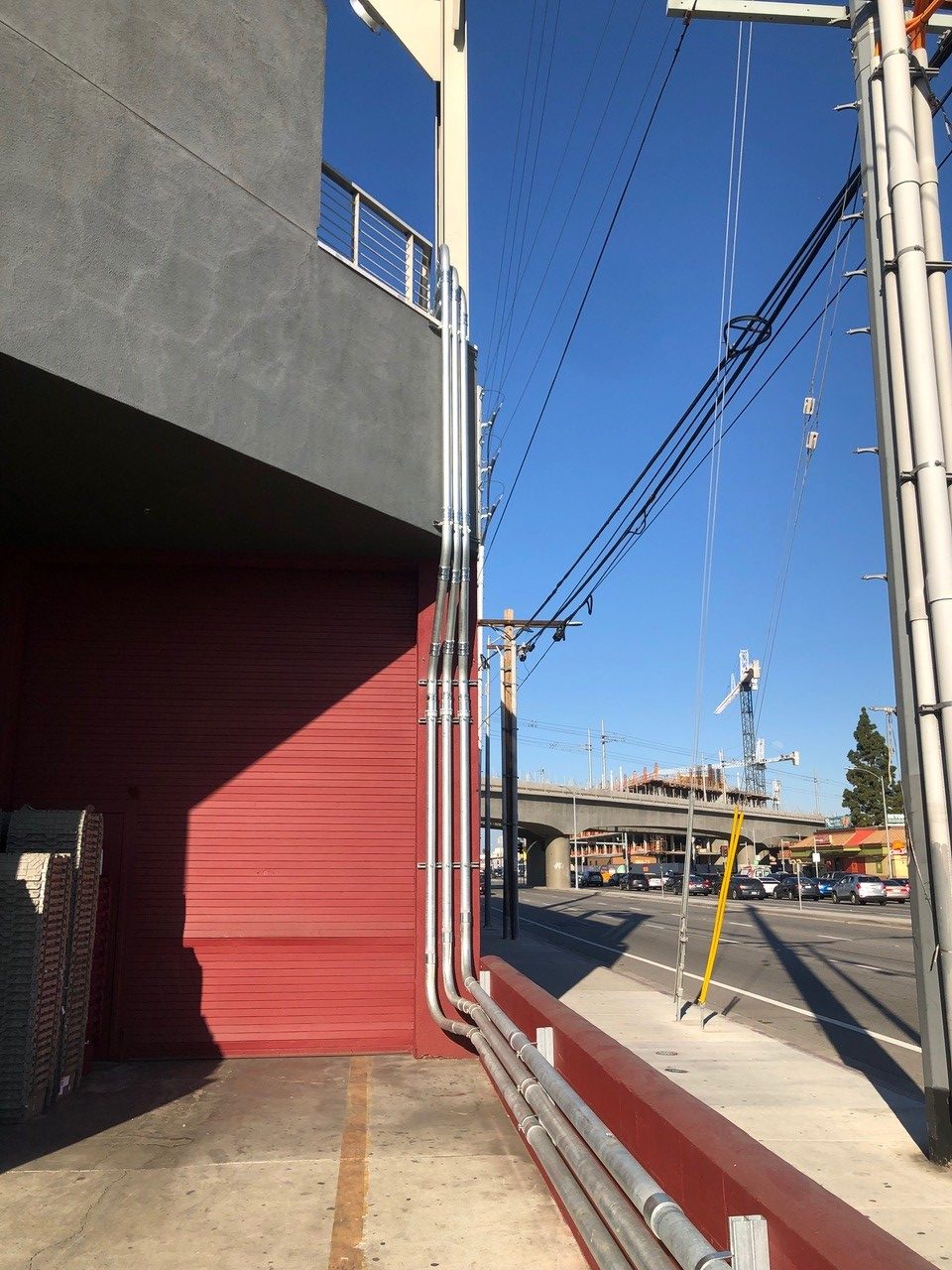
Outdoor electrical wiring must be protected from physical damage, moisture, and UV exposure, which means proper conduit installation is essential. The type of conduit required depends on where the wiring is located and how it's installed. For exposed outdoor wiring on exterior walls, the NEC requires rigid metal conduit (RMC), intermediate metal conduit (IMC), or rigid PVC conduit rated for outdoor use. These conduit types provide physical protection against impacts, prevent moisture intrusion, and shield wiring from UV degradation.
PVC conduit is the most common choice for residential outdoor wiring because it's cost-effective, corrosion-resistant, easy to work with, and provides excellent protection. Schedule 40 PVC is suitable for most above-ground applications, while Schedule 80 PVC (with thicker walls) is required for areas subject to physical damage or where conduit is exposed to traffic. All PVC conduit joints must be sealed with PVC cement to create watertight connections, and the conduit must be properly supported at intervals specified by code (typically every 3 feet for vertical runs and every 6 feet for horizontal runs).
Metal conduit offers superior physical protection and is required in some applications where extra durability is needed. Galvanized rigid steel conduit provides maximum protection but requires threading and is more labor-intensive to install. Electrical metallic tubing (EMT), often called "thin-wall conduit," provides good protection for above-ground applications and is easier to bend and install than rigid conduit. However, EMT requires special fittings and weatherproof connectors to ensure water doesn't enter the system.
For underground wiring—which we'll discuss in detail in the next section—the conduit requirements are slightly different. Underground feeder (UF) cable can be buried directly in some applications, but using conduit for all underground wiring provides superior protection and makes future modifications easier. When conduit is used for underground applications, it must be rigid PVC, rigid metal conduit, or intermediate metal conduit, and all connections must be watertight. Shaffer Construction, Inc. uses proper conduit methods for all outdoor electrical installations, ensuring your outdoor outlets are protected, code-compliant, and built to last.
Burial Depth Requirements for Underground Wiring
Many outdoor outlets require underground wiring to reach locations away from your home's main electrical system. The National Electrical Code specifies minimum burial depths for underground electrical wiring based on the type of wiring method used and the location. These requirements exist to prevent damage from digging, landscaping, and ground movement. For Los Angeles homeowners planning outdoor outlet installation, understanding burial depth requirements helps ensure code compliance and prevents costly damage to underground wiring.
When rigid metal conduit (RMC) or intermediate metal conduit (IMC) is used for underground wiring, the minimum burial depth is 6 inches. This shallow depth is permitted because metal conduit provides excellent physical protection. For rigid PVC conduit (Schedule 40 or 80), the minimum burial depth is 18 inches. PVC conduit is the most common choice for residential underground wiring because it's durable, corrosion-resistant, and provides reliable protection at a reasonable cost. If you're using direct-burial cable (UF cable) without conduit, the minimum depth increases to 24 inches in most applications.
These are minimum requirements—many professional electricians install underground wiring deeper than code minimums to provide extra protection. For residential applications in Los Angeles, 24-inch depth for PVC conduit is common practice, ensuring that typical gardening, planting, and landscape maintenance won't disturb the wiring. Areas subject to vehicular traffic require even greater depth (typically 24 inches for metal conduit and 24 inches minimum for PVC, though some jurisdictions require more).
Proper underground installation involves more than just burial depth. The trench must be free of sharp rocks that could damage conduit, and a layer of sand is typically placed above and below the conduit to cushion it and prevent damage. Warning tape marked "Electrical Line Buried Below" should be installed 6-12 inches above the conduit so that anyone digging encounters the warning before reaching the electrical line. Conduit must transition to above-ground protection where it exits the ground, and these transitions must use weatherproof fittings to prevent moisture from entering the system.
For Los Angeles properties with extensive outdoor electrical needs—such as landscape lighting systems, pool and spa equipment, or detached structures like workshops and guest houses—underground wiring provides a clean, professional installation that doesn't clutter your home's exterior with exposed conduit. Shaffer Construction, Inc. has extensive experience with underground electrical installations throughout Los Angeles, and we ensure all work meets code requirements for burial depth, conduit protection, and weatherproofing. Our comprehensive residential electrical services include planning and installing underground wiring for outdoor outlets and other outdoor electrical infrastructure.
Dedicated Circuits vs. Shared Circuits: What's Right for Your Outdoor Outlets?
When planning outdoor outlet installation, an important consideration is whether your outlets will be on dedicated circuits or shared circuits. A dedicated circuit serves only one outlet or one specific area, while a shared circuit powers multiple outlets throughout different areas. The choice depends on what you'll be powering, how much power you need, and code requirements.
For standard outdoor outlets that will power landscape lighting, holiday decorations, power tools, and general-purpose equipment, shared circuits are typically acceptable. A single 15-amp or 20-amp circuit can serve multiple outdoor outlets as long as the total load doesn't exceed the circuit capacity. The NEC allows multiple outdoor receptacles to be connected to a single branch circuit, provided they meet GFCI protection requirements and proper wiring methods are used.
However, some outdoor electrical loads require dedicated circuits. Electric vehicle (EV) chargers, hot tubs, pool pumps, large outdoor cooking equipment, and other high-power devices typically require dedicated circuits sized specifically for their loads. If your outdoor outlet installation is part of a larger project that includes any of these high-power applications, planning dedicated circuits ensures you have adequate capacity and prevents circuit overloads. Additionally, some Los Angeles homeowners prefer dedicated circuits for outdoor entertainment areas where multiple high-power devices (outdoor heaters, sound systems, projection equipment) might be used simultaneously.
The decision also affects your electrical panel capacity. If your panel is already near its capacity, adding new outdoor circuits may require a panel upgrade. This is particularly relevant for older Los Angeles homes with 100-amp or smaller service panels. Modern homes typically benefit from 200-amp service to support outdoor outlets, landscape lighting, EV charging, and other electrical loads. An electrical load study can determine whether your current panel has capacity for additional outdoor circuits or whether an upgrade is needed. Our detailed resource on electrical load studies and panel upgrades explains how we evaluate your electrical system and plan upgrades to support your outdoor electrical needs.
Installation Process, Costs, and What to Expect
Professional outdoor outlet installation by a licensed electrician typically follows a systematic process designed to ensure safety, code compliance, and reliable performance. Understanding what's involved helps you plan your project and set realistic expectations. The process begins with an assessment of your property, your electrical needs, and your current electrical system capacity. Your electrician will identify optimal outlet locations, determine whether underground wiring is needed, evaluate whether your electrical panel has capacity for additional circuits, and plan the installation to meet all code requirements.
Once planning is complete, the electrical work begins. For outlets on exterior walls near existing circuits, installation may involve running conduit along the exterior wall from your electrical panel or from an existing junction box. The electrician will install weatherproof outdoor boxes at each outlet location, run wiring through conduit, connect outlets with proper GFCI protection, and install in-use weatherproof covers. If underground wiring is required, the process includes trenching to the required depth, installing conduit, pulling wiring through the conduit, backfilling with sand and soil, and marking the trench location for future reference.
All electrical connections must be made inside approved weatherproof boxes with weatherproof connectors and fittings. Outdoor boxes must be rated for wet locations (marked "WP" for weatherproof), and all conduit connections must be sealed to prevent moisture intrusion. After installation, your electrician will test each outlet to verify proper operation, correct polarity, and GFCI function. For installations requiring permits, the final step is inspection by Los Angeles building inspectors to verify code compliance.
Cost for outdoor outlet installation varies based on several factors: the number of outlets being installed, whether underground wiring is required, the distance from your electrical panel to the outlet locations, whether your panel needs upgrades, and the complexity of the installation. For a simple installation adding one or two outdoor outlets on exterior walls near existing circuits, costs typically range from $200 to $500 per outlet, including materials, labor, GFCI protection, weatherproof covers, and conduit. Installations requiring underground wiring, long conduit runs, or panel upgrades will cost more, potentially $500 to $1,500 or more per outlet depending on the scope of work.
While these costs may seem significant, professional installation provides value that DIY work can't match: code compliance, proper GFCI protection, reliable weatherproofing, warranty on work performed, and peace of mind that your outdoor electrical system is safe. Shaffer Construction, Inc. provides detailed estimates for all outdoor electrical work, helping Los Angeles homeowners understand costs upfront and plan projects that fit their budgets and needs.
Los Angeles Permit Requirements for Outdoor Outlet Installation
In Los Angeles, electrical work that involves adding new circuits, modifying existing circuits, or installing new outlets typically requires an electrical permit from the Los Angeles Department of Building and Safety. While simple repairs (like replacing a damaged outlet with an identical unit) generally don't require permits, installing new outdoor outlets is considered new electrical work and requires both a permit and inspection.
The permit process ensures that all electrical work meets current National Electrical Code and California Electrical Code requirements, protecting homeowners and future property owners from unsafe installations. When you hire a licensed electrical contractor like Shaffer Construction, Inc., we handle the permit process as part of our service. This includes preparing permit applications, coordinating with building inspectors, scheduling inspections, and ensuring all work passes inspection before the project is considered complete.
Attempting to install outdoor outlets without required permits can create serious problems. If unpermitted electrical work is discovered during a home sale, you may be required to bring the work up to code or remove it entirely. Insurance claims for electrical fires or shock injuries may be denied if the electrical work wasn't permitted. And most importantly, unpermitted work lacks the professional oversight that inspections provide, increasing the risk that the installation is unsafe or doesn't meet code.
The inspection process for outdoor outlet installation typically involves verifying that proper GFCI protection is installed, weatherproof covers meet code requirements, conduit is properly installed and supported, burial depth for underground wiring meets code minimums, all connections are made inside approved boxes with weatherproof fittings, and the installation matches the permitted plans. Once the inspection passes, you'll receive approval documentation that becomes part of your home's building record.
Common Mistakes to Avoid with Outdoor Outlet Installation
Many outdoor outlet installations fail to meet code requirements or perform reliably due to common mistakes that both DIYers and some less experienced electricians make. Understanding these pitfalls helps you ensure your outdoor electrical work is done correctly. The most common mistake is using standard weatherproof covers instead of in-use covers. As discussed earlier, current code requires in-use covers for all outdoor receptacles in dwelling applications. Installing flat or standard vertical covers that only protect the outlet when nothing is plugged in no longer meets code and will fail inspection.
Another frequent error is improper conduit installation. Conduit that isn't properly secured, doesn't use weatherproof fittings, or has gaps and openings that allow moisture to enter won't protect your wiring adequately. All conduit connections must be sealed, supported at proper intervals, and transitioned correctly where conduit enters boxes and buildings. Failure to follow proper conduit methods leads to water intrusion, corrosion, and eventual wiring failure.
Installing outdoor outlets without proper GFCI protection is a serious safety violation that puts occupants at risk. Every outdoor outlet must have GFCI protection—no exceptions. Some installers mistakenly believe that outlets under covered porches or eaves don't need GFCI protection, but code requires it regardless of whether the outlet is exposed to direct rain. If your home has outdoor outlets without GFCI protection, they should be upgraded immediately.
Insufficient burial depth for underground wiring is another common mistake. Burying conduit or direct-burial cable too shallow puts the wiring at risk of damage from normal yard activities. Always meet or exceed code-required burial depths, and consider going deeper than the minimum for extra protection. Similarly, failing to mark underground wiring routes with warning tape or records creates a hazard for future digging and landscaping.
Using indoor-rated materials for outdoor applications is a mistake that leads to rapid deterioration. Boxes, covers, connectors, and all components must be rated for wet locations (WP rating). Indoor-rated materials will corrode, crack, and fail when exposed to outdoor conditions. Finally, overloading circuits by adding too many outdoor outlets to a single circuit can cause nuisance breaker trips and potential safety hazards. Proper load calculations ensure your outdoor circuits can handle the equipment you'll be powering.
Maintenance, Testing, and Long-Term Care
Once your outdoor outlets are professionally installed, ongoing maintenance ensures they continue to provide reliable, safe service for years. The most important maintenance task is monthly GFCI testing. Press the TEST button on each GFCI outlet—the RESET button should pop out and power should be cut. Press RESET to restore power. This simple test verifies that your GFCI protection is working and takes only seconds per outlet. If a GFCI fails to trip when tested, it's not providing protection and must be replaced immediately.
Inspect weatherproof covers regularly for damage, cracks, or deterioration. Covers subjected to years of sun exposure can become brittle and crack, compromising weatherproofing. Check that gaskets are intact and sealing properly. If a cover is damaged or the gasket is compressed and no longer seals, replace it promptly. Quality replacement covers are inexpensive and easy to install.
Keep outlets and covers clean and free of debris. Dirt, spider webs, and plant matter can accumulate inside covers and boxes. Periodically open covers and gently clean the interior with a dry cloth or soft brush. Never spray water directly into outlets or use liquid cleaners on energized electrical components. For stubborn dirt, turn off power at the breaker before cleaning.
Check that outdoor outlets remain properly secured to mounting surfaces. Wind, vibration, and the weight of plugged-in cords can loosen mounting screws over time. Tighten mounting hardware if needed, but avoid overtightening which can crack boxes or covers. Inspect conduit and wiring for signs of damage, corrosion, or deterioration. If you notice exposed wiring, rusted conduit, or damaged components, contact a licensed electrician for repairs.
For outlets that experience heavy use—such as those powering continuous landscape lighting or seasonal holiday decorations—consider having a professional inspection every few years. A qualified electrician can verify connections remain secure, check for signs of moisture intrusion, test GFCI function with specialized equipment, and ensure your outdoor electrical system continues to meet safety standards. Shaffer Construction, Inc. offers comprehensive electrical inspection services for Los Angeles homeowners, including evaluation of outdoor electrical systems.
Frequently Asked Questions About Outdoor Outlet Installation
Q: Can I install an outdoor outlet myself, or do I need a licensed electrician?
A: While technically skilled homeowners can install outdoor outlets, we strongly recommend hiring a licensed electrician for several reasons. Outdoor electrical work requires permits in Los Angeles, involves specialized knowledge of weatherproofing and code requirements, and must pass inspection by building officials. Licensed electricians have the training, tools, and experience to ensure installations are safe, code-compliant, and reliable. Additionally, improperly installed outdoor outlets create serious shock and fire hazards.
Q: How many outdoor outlets should my home have?
A: The NEC requires at least one outdoor outlet at the front and one at the back of your home. Beyond code minimums, the ideal number depends on your property size and how you use your outdoor spaces. Most Los Angeles homes benefit from 4-6 outdoor outlets strategically placed around the property to eliminate the need for long extension cords. Larger properties or homes with extensive outdoor living areas may need more.
Q: Do outdoor outlets under covered patios or eaves need weatherproof covers?
A: Yes. Any outlet exposed to weather—even if under a roof or overhang—requires weatherproof protection and in-use covers. Rain can blow under eaves, and moisture from humidity, fog, and irrigation can affect outlets. Code doesn't distinguish between covered and uncovered outdoor locations—all outdoor outlets need proper weatherproofing.
Q: Can I use extension cords instead of installing additional outdoor outlets?
A: Extension cords are intended for temporary use only, not permanent installations. Running extension cords permanently creates trip hazards, increases fire risk, violates code, and doesn't provide the reliability and convenience of properly installed outlets. If you regularly use power in a location, install a proper outlet.
Q: What's the difference between GFCI outlets and regular outlets?
A: GFCI outlets provide ground fault protection that regular outlets don't have. They monitor current flow and instantly cut power if they detect a ground fault, protecting against electrical shock. Regular outlets have no such protection. For detailed information about GFCI technology and requirements, see our comprehensive GFCI safety guide.
Q: How long does outdoor outlet installation take?
A: For simple installations adding one or two outlets on exterior walls near existing circuits, expect 2-4 hours including testing. Installations requiring underground wiring, long conduit runs, or panel work may take a full day or more. Your electrician can provide a time estimate based on your specific project.
Q: Will outdoor outlets work during power outages?
A: Standard outdoor outlets lose power during outages just like indoor outlets. If you need outdoor power during outages, consider a backup generator system or battery backup. This is particularly important for homes with security systems, outdoor lighting, or other critical equipment that must remain operational.
Conclusion: Professional Outdoor Outlet Installation for Safety and Convenience
Properly installed outdoor outlets transform how you use your Los Angeles property, providing convenient power for landscaping, entertainment, seasonal decorations, EV charging, and countless other applications. However, outdoor electrical work is more complex than indoor installations and requires specialized knowledge of weatherproofing, GFCI protection, conduit systems, burial depths, and code requirements. The difference between a safe, code-compliant installation and a hazardous one comes down to understanding these requirements and executing them properly.
At Shaffer Construction, Inc., our licensed electricians have extensive experience installing outdoor outlets throughout Los Angeles. We ensure every installation includes proper GFCI protection for safety, in-use weatherproof covers for reliable protection, code-compliant conduit and wiring methods, proper burial depth for underground installations, strategic placement for convenience, and compliance with all Los Angeles permit and inspection requirements. Whether you need a single outdoor outlet for yard work or a comprehensive outdoor electrical system for landscape lighting, EV charging, and outdoor living, we have the expertise to design and install a system that meets your needs.
For professional outdoor outlet installation in Los Angeles, contact Shaffer Construction, Inc. today. Call us at 323-642-8509 or email hello@shaffercon.com to schedule a consultation. Visit shaffercon.com to learn more about our comprehensive residential electrical services. Our team is committed to providing safe, reliable outdoor electrical installations that enhance your home's functionality and protect your family.