The Future of Electric Vehicles: Impact on Home Electrical Systems
Introduction
The electric vehicle revolution is no longer a distant future—it's happening now, with profound implications for how homes are powered and maintained. As more Los Angeles residents and homeowners across California embrace electric vehicles, understanding the impact on home electrical systems has become essential. In 2025, California continues to lead the nation in EV adoption, with Los Angeles projected to reach a 33.7% EV adoption rate. This rapid transition is reshaping residential electrical infrastructure, and homeowners need expert guidance to navigate the complexities of upgrading their homes for EV charging. Shaffer Construction, Inc., a leading electrical contractor specializing in EV charger installations in Los Angeles, helps homeowners prepare their electrical systems for the future of transportation.
The EV Adoption Boom: Where We Stand in 2025
Electric vehicle adoption has reached a critical inflection point. In the first quarter of 2025, Californians purchased over 100,000 zero-emission vehicles, representing 23% of all new vehicle sales in the state. This momentum is particularly strong in Los Angeles, a major hub for EV adoption that continues to set the pace for the entire nation. According to California's Zero Emission Vehicle data, the state has surpassed 1.8 million electric vehicles in operation, a testament to the durability and appeal of modern EV technology.
Beyond raw sales numbers, the EV market is diversifying rapidly. In Q1 2025, 147 different EV models were available to California consumers, up from 105 models just a year earlier. This expansion means that whether you're interested in an affordable compact car, a practical family sedan, or a luxury vehicle, there's an EV option that fits your needs and budget. However, with this growth comes an increased demand for reliable home charging infrastructure, which directly impacts residential electrical systems.
California's commitment to EV adoption is further supported by 94% of residents living within 10 minutes of an EV charging station, and over 700,000 at-home charging ports have been installed throughout the state. Yet despite this growth, many homeowners remain uncertain about what electrical upgrades are necessary to support home EV charging. This is where Shaffer Construction provides crucial expertise.
Understanding Home Electrical System Requirements for EV Charging
When homeowners decide to install an EV charger at home, they're adding a significant new electrical load to their residence. Understanding these requirements is the first step toward a safe and efficient installation. Most home EV chargers operate on Level 2 charging, which requires 240-volt dedicated circuits and delivers between 3.8 and 19.2 kilowatts of power depending on the charger's amperage rating.
A typical Level 2 charger operates at 16 to 80 amps, with most residential installations using 30 to 50-amp circuits. For perspective, a 30-amp Level 2 charger delivers approximately 7.7 kilowatts of power and adds about 25 to 30 miles of range per hour of charging. A 40-amp charger provides 9.6 kilowatts and adds 30 to 35 miles per hour. These chargers provide a dramatic improvement over Level 1 charging, which can take 20 or more hours to fully charge a vehicle but uses only a standard 120-volt household outlet.
The electrical requirements for home EV charging are substantial. A Level 2 charger typically represents approximately one-third of a home's total electricity consumption during charging periods. This means the charger requires a dedicated circuit that cannot be shared with other appliances or devices. Additionally, for safety reasons, licensed electricians size circuit breakers at 125% of the maximum circuit load, meaning a 40-amp charging circuit requires a 50-amp breaker, and an 80-amp circuit requires a 100-amp breaker. Shaffer Construction's electrical experts perform detailed load calculations to ensure your home's electrical system can safely handle the demands of EV charging.
Electrical Panel Upgrades and Capacity Planning
Not all homes are created equal when it comes to electrical capacity. Most modern homes built in the past 30 years feature 200-amp electrical service, which can typically support a Level 2 EV charger without major upgrades. However, approximately 20% of homes require additional electrical work beyond basic charger installation. More concerning is that more than half of American homes currently receive 100 amps or less of electrical service—a capacity insufficient to support modern HVAC systems, common appliances, heating, and an EV charger simultaneously.
Older homes are particularly vulnerable to capacity constraints. If your home receives only 100 amps of service—common in properties built before the 1990s—or if you're unsure about your electrical capacity, a professional electrical assessment is essential. This is where Shaffer Construction's electrical load study services become invaluable. Our team performs comprehensive evaluations of your home's electrical system, analyzing current demand from all appliances and equipment, then determining whether your panel can accommodate an EV charger or requires an upgrade.
The good news is that federal incentives make electrical panel upgrades more affordable. Homeowners can claim a federal tax credit of 30% of the project cost, up to $600, when upgrading or improving electrical panels specifically to support EV charging infrastructure. Additionally, many California utilities, including Southern California Edison, offer the Charge Ready rebate program, which provides financial assistance for qualifying electrical improvements. Shaffer Construction helps homeowners navigate these incentive programs to minimize out-of-pocket costs.
The Practical Installation Process and Smart Charging Integration
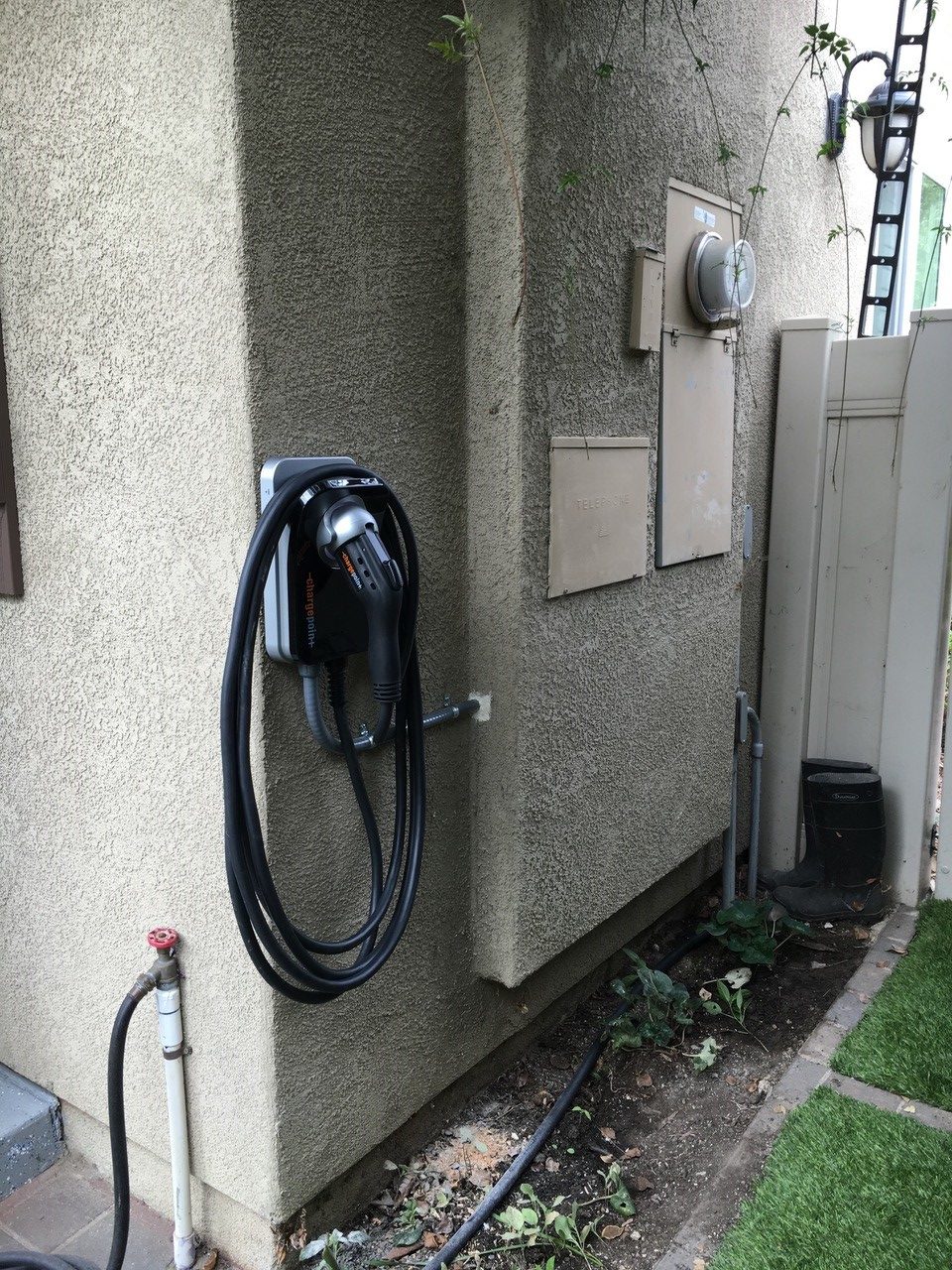
Installing a residential EV charger involves several critical steps. First, a licensed electrician assesses your home's electrical capacity and determines whether panel upgrades are necessary. Next, a dedicated circuit is installed from the electrical panel to the charger location—typically in a garage or outside near a parking area. The charger location should be convenient for daily use yet close enough to the electrical panel to minimize wiring requirements and installation costs.
Modern EV chargers increasingly incorporate smart charging capabilities, which represent the future of home energy management. Smart chargers can communicate with your utility, your vehicle, and your home's electrical system to optimize charging times based on electricity rates, grid demand, and your vehicle's needs. According to recent research in smart grid integration, sophisticated demand response systems can reduce grid overload during peak periods by up to 20% while lowering charging costs for homeowners.
Los Angeles residents benefit from progressive utility programs that support smart charging adoption. Energy management systems can monitor your overall household electricity usage and automatically adjust EV charging rates to stay within your panel's 80% safe capacity threshold. This ensures that your charger never interferes with your air conditioning, water heater, or other essential appliances. As we explore in our guide on EV charging infrastructure for Los Angeles property owners, smart charging is becoming the standard for new residential installations.
Preparing Your Home for EV Charging: A Practical Roadmap
If you're considering home EV charger installation in Los Angeles, here's what you should expect. Begin by assessing your current electrical service capacity—you can find this information on your main electrical panel breaker. Most homes have panels rated at 100, 150, or 200 amps. Next, contact a licensed electrician like those at Shaffer Construction to perform a load calculation. This professional assessment is crucial because it accounts for your home's climate control, appliances, future renovations, and the proposed EV charger, ensuring you're not creating an unsafe electrical situation.
Based on this assessment, you'll have three possible outcomes. If your home has adequate capacity, installation can proceed directly to charger installation, typically completed in one to two days. If your panel requires upgrades, your electrician will work with you to plan the scope of work and timeline. Finally, some homes benefit from alternative solutions such as energy management systems that prevent overload by temporarily reducing the charger's power when your overall household demand reaches safe thresholds.
For Los Angeles homeowners, our residential EV charger installation services handle every aspect of the process, from initial assessment through final inspection and activation. We ensure all work complies with the California Electrical Code and coordinate with local permitting authorities to streamline the process. Many Los Angeles homeowners are surprised to learn how quickly modern EV charger installations can be completed once planning is finalized.
The Broader Impact: Grid Evolution and Future Home Electrical Systems
The impact of widespread EV adoption extends far beyond individual homes. As millions of residents charge electric vehicles, utilities and grid operators are developing sophisticated systems to manage this new demand. The U.S. Department of Energy has created a comprehensive roadmap for vehicle-grid integration, outlining how EVs will become active participants in energy management rather than passive consumers.
Vehicle-to-grid (V2G) technology, an emerging capability where EVs can return power to homes and the grid during peak demand periods, promises to transform residential electricity dynamics. Smart chargers equipped with V2G capability can store excess solar energy in EV batteries, reduce costs by charging during low-demand periods, and even keep homes powered during grid outages. Los Angeles, with its abundant solar potential and progressive energy policies, is positioned to lead this technological transition.
As explored in our comprehensive overview of EV charger readiness for Los Angeles properties, understanding these emerging technologies helps homeowners make informed decisions about today's installations. Shaffer Construction stays at the forefront of these developments, ensuring that our installations are ready for tomorrow's smart home and grid integration technologies.
Conclusion
The future of electric vehicles is inextricably linked to the evolution of home electrical systems. As Los Angeles continues its leadership in EV adoption and California approaches 25% of all new vehicle sales being electric, residential electrical infrastructure is undergoing a historic transformation. Whether your home needs minor circuit additions or comprehensive electrical panel upgrades, understanding these requirements ensures safe, efficient, and future-proof EV charging.
The combination of improved charging technology, smart home integration, grid demand response programs, and federal incentives makes 2025 an ideal time to invest in residential EV charging infrastructure. The decision to install a home EV charger isn't just about convenience—it's about future-proofing your home and contributing to California's clean energy transition.
For expert electrical services in Los Angeles, including residential EV charger installation, electrical load studies, panel upgrades, and electrical safety inspections, contact Shaffer Construction, Inc. Our team of licensed electricians brings over two decades of experience to residential and commercial electrical projects throughout Los Angeles. Call us at 323-642-8509 or email hello@shaffercon.com to schedule a comprehensive electrical assessment. Visit shaffercon.com to learn more about how we can help you prepare your home for the electric vehicle revolution.