
Transforming Mobility: The Rise of EV Charging Infrastructure Across America
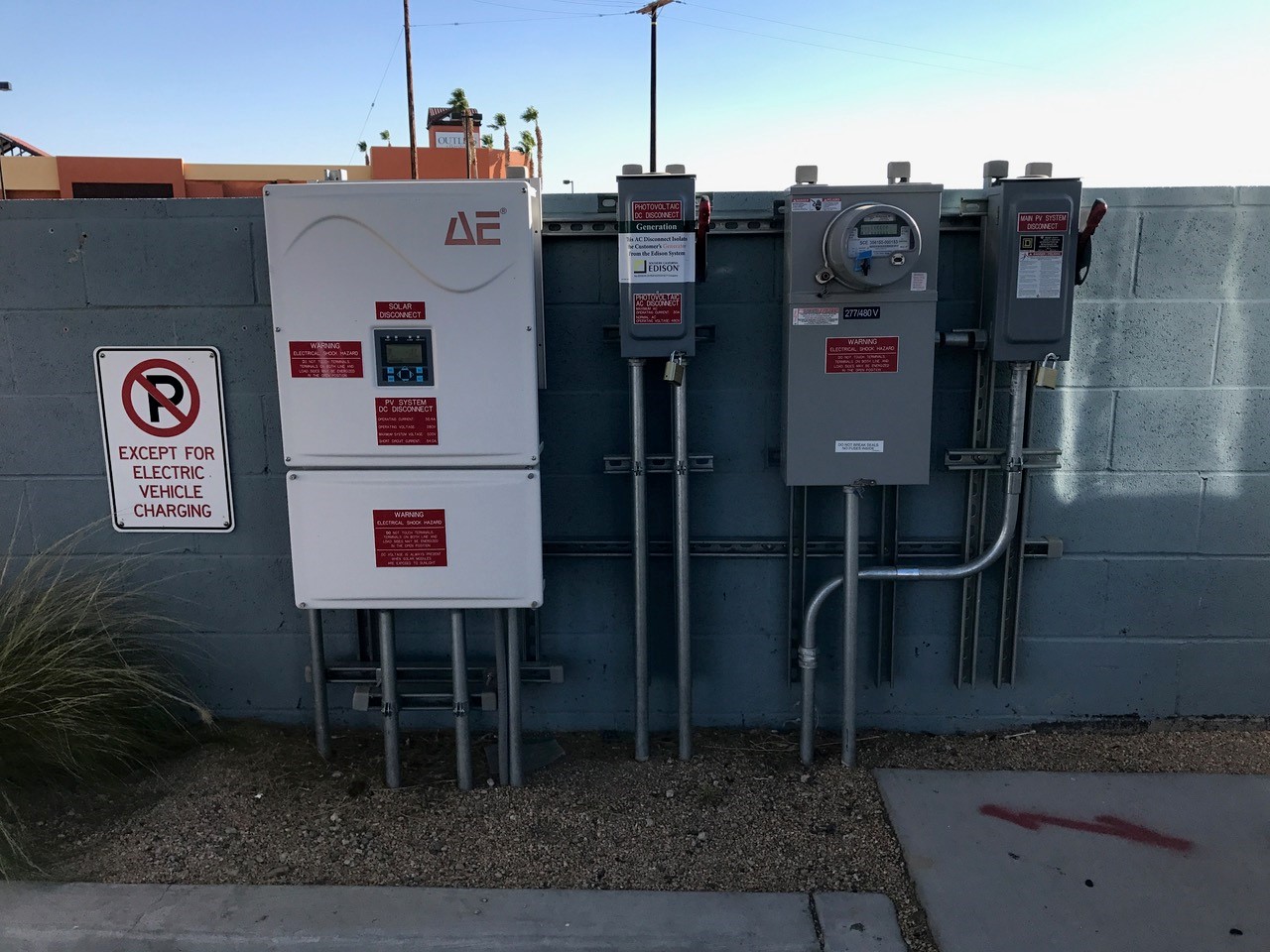
Introduction: America's EV Charging Revolution Takes Shape
The electric vehicle revolution is no longer a distant future scenario—it's happening right now across America, and the charging infrastructure supporting it is expanding faster than ever before. With billions in federal funding, ambitious state mandates, and growing consumer demand, the U.S. is building the backbone of a zero-emission transportation system. At Shaffer Construction, Inc., we're at the forefront of this transformation, helping Los Angeles property owners, businesses, and developers install the EV charging infrastructure that powers sustainable mobility.
The rise of EV charging infrastructure represents one of the most significant infrastructure investments in a generation, rivaling the interstate highway system of the 1950s. As more Americans transition to electric vehicles, the demand for accessible, reliable charging solutions continues to grow exponentially. This blog explores the current landscape of EV charging expansion, the impact on Los Angeles and California, and how property owners can prepare for this transition with professional electrical installation services.
Federal Funding & National Expansion: Billions Invested in EV Infrastructure
The Bipartisan Infrastructure Law established two major federal programs to accelerate EV charging deployment: the National Electric Vehicle Infrastructure (NEVI) Formula Program with $5 billion in funding and a $2.5 billion Discretionary Grant Program for charging and fueling infrastructure. As of February 2025, the Federal Highway Administration had allocated over $3.3 billion through the NEVI program to states, with more than 206,000 publicly available EV charging ports now operational across the nation. This represents unprecedented momentum in the transition toward clean transportation.
In early 2025, before a federal funding pause was issued, the Department of Transportation announced a $635 million grant package to fund 49 projects deploying more than 11,500 EV charging ports across 27 states, four federally recognized tribes, and the District of Columbia. This represents the scale and urgency with which the federal government is addressing the charging gap. The funding prioritizes underserved communities and rural areas where private industry has been slower to invest. Shaffer Construction has closely monitored these federal developments to ensure our Los Angeles clients understand the landscape and take advantage of available incentives and grant programs that can substantially reduce installation costs.
The rapid expansion of public charging infrastructure is critical for addressing range anxiety and supporting long-distance travel, but the majority of EV owners still rely on home and workplace charging for their daily needs. As mentioned in our comprehensive guide on EV charging infrastructure in 2025 for Los Angeles property owners, residential and commercial charging solutions remain the foundation of daily EV usage patterns. In fact, studies show that more than 70% of all EV charging occurs at home, making residential installations critically important for EV adoption rates.
California's Leadership & Los Angeles Infrastructure Boom
California is leading the nation in EV adoption and charging infrastructure development. The state announced a $1.4 billion investment in early 2025 to expand charging stations across California, with particular focus on underserved communities and low-income neighborhoods. This commitment reflects California's responsibility for approximately 45% of all EV sales in the United States. Los Angeles, as the state's largest metropolitan area and second-largest city in the nation, is benefiting significantly from these investments and is positioned to become a model for EV infrastructure deployment.
The City of Los Angeles has implemented an ambitious sustainability plan targeting 100,000 new electric vehicles in the city by 2025, part of the broader Sustainable pLAn that aims to make LA carbon-neutral by 2050. To support this goal, the city has installed over 725 light-pole chargers to date, with plans to expand this network to 3,000 or 4,000 additional chargers using the existing street light infrastructure. This innovative approach makes EV charging more accessible to apartment dwellers and urban residents without dedicated parking, addressing one of the biggest barriers to EV adoption in dense urban environments.
The Los Angeles Department of Water and Power (LADWP) offers significant incentive programs for both residential and commercial EV charging. Commercial properties can access LADWP's EV Charging Station Incentive program, which provides rebates allowing businesses to install up to 80 Level 2 charging stations for little to no upfront cost. Residential customers through the Communities in Charge Project can access up to $56.5 million in available state funds for Level 1 and Level 2 chargers at multi-family residential buildings. Shaffer Construction helps Los Angeles property owners navigate these complex incentive programs and design charging systems that maximize rebates and minimize costs.
Building Code Requirements & Electrical Planning for 2025-2026
California's strict building codes require careful electrical planning for EV charging infrastructure. Under current code requirements (effective through 2025), new single-family dwellings must have electrical conduit installed capable of supporting a Level 2 EV charger. For multifamily housing and hotels, 40% of parking spaces must be capable of supporting a low-power Level 2 charger, and 10% must be equipped with operational Level 2 chargers. These requirements ensure that new construction is EV-ready from the start, avoiding expensive retrofits down the road.
Electrical specifications are rigorous: branch circuits must have a minimum capacity of 40 amperes, and installed chargers must support at least 30 amperes. Critically, the electrical system design must provide sufficient capacity to simultaneously charge all required EVs at full rated amperage. This is where many property owners struggle, and professional electrical load studies become essential. Many existing properties weren't designed to handle the electrical load of Level 2 chargers, requiring panel upgrades or other infrastructure improvements before installation can proceed.
As we detailed in our article on preparing Los Angeles buildings for the EV charging boom, an electrical load study is the first step in any charging installation project. Shaffer Construction specializes in electrical load studies that assess your property's capacity and recommend panel upgrades if necessary. Starting in 2026, California's updated building codes will require EV chargers in most new overnight parking spaces, with at least one parking space per unit in multi-family developments being EV-ready. This proactive approach ensures California continues leading the nation in EV adoption infrastructure.
Commercial vs. Residential: Different Solutions for Different Needs
The approach to EV charging differs significantly between residential and commercial properties, and Shaffer Construction customizes solutions for each scenario. Residential charging typically occurs at home overnight, where charging times are less critical and Level 2 chargers (240V) are usually sufficient. A Level 2 charger can fully charge most vehicles in 6-10 hours, making them ideal for overnight home charging. Our residential EV charger installation services include site assessment, electrical panel evaluation, permit acquisition, and professional installation with all necessary safety features and NEMA certifications.
Commercial EV charging presents greater complexity and opportunity. Businesses need to consider multiple vehicles charging simultaneously, peak electrical loads, customer convenience, and long-term scalability. Level 2 chargers remain most common for commercial applications, though DC fast charging is increasingly important for fleet vehicles and public charging locations. Commercial property owners often qualify for substantial utility rebates, making this an economically attractive investment during 2025. Hotels, apartment complexes, and retail establishments that install EV charging create additional value for customers and demonstrate corporate environmental commitment.
Our commercial EV charger installation services include comprehensive site planning, electrical infrastructure design, permitting coordination, and installation with ongoing monitoring capabilities. We help businesses in Los Angeles understand their charging needs, access available incentives, and design systems that support growth. A properly designed commercial charging network can increase property values, attract tenants, and generate revenue through charging fees.
Installation Challenges & How Los Angeles Contractors Navigate Them
Installing EV charging infrastructure in Los Angeles presents unique challenges that require experienced electrical contractors. The city's aging electrical infrastructure in many neighborhoods, combined with high population density and strict building codes, creates complexity that many electricians underestimate. Determining whether your electrical panel has adequate capacity is not straightforward—it requires a thorough load study analyzing your current usage and future needs. In many older buildings, the main service panel is already operating near capacity, requiring service upgrades before chargers can be safely installed.
Permitting is another significant factor that many property owners underestimate. Los Angeles requires specific permits for any EV charging installation, and the city has specific requirements for installation locations, safety clearances, and electrical specifications. Delays in the permitting process can add weeks or months to a project timeline. Shaffer Construction manages the entire permitting process, communicating directly with city inspectors and ensuring your project meets all code requirements. Our familiarity with LA's specific electrical codes and building department procedures streamlines this process significantly.
Additionally, material availability has improved since 2023, but supply chain issues occasionally arise for specific components. High-quality chargers, dedicated circuits, and specialized equipment can have long lead times. Working with an established contractor like Shaffer Construction ensures access to quality components and reliable timelines, preventing the frustration of project delays.
Future-Proofing Your Investment in EV Infrastructure
One critical consideration for Los Angeles property owners is future-proofing installations. Technology is evolving rapidly, and while today's Level 2 chargers will remain useful for years, the electrical infrastructure supporting them must have room for expansion. When we conduct electrical load studies, we design systems with future capacity in mind, ensuring you won't need to replace conduit, panel upgrades, or transformer installations within five to ten years. Forward-thinking installation practices today prevent expensive retrofits tomorrow.
The integration of energy management systems represents another upcoming development that could transform how we think about charging infrastructure. Starting in 2026, California's updated electrical code will allow energy management systems to share power between EV charging and other building loads, effectively reducing the electrical capacity required. This technology enables buildings to intelligently distribute available power based on demand, potentially doubling the number of chargers that can be supported by existing electrical infrastructure. Forward-thinking property owners should discuss these emerging technologies with their contractors now.
For property owners planning major renovations, electrical upgrades, or new construction, building EV-ready infrastructure now is infinitely cheaper than retrofitting later. Current utility rebates and potential federal tax incentives make 2025 an optimal time to invest in charging infrastructure. The window for taking advantage of incentive programs won't last forever, and waiting typically results in higher out-of-pocket costs.
Conclusion: Partner with Experts for Your EV Charging Journey
The transformation of American mobility toward electric vehicles is accelerating, driven by billions in federal funding, aggressive state mandates, and consumer demand. Los Angeles stands at the center of this revolution, with major infrastructure investments, aggressive sustainability targets, and robust incentive programs. For property owners, businesses, and developers, the question is not whether to install EV charging infrastructure, but when and how to do it right.
Shaffer Construction, Inc. has the expertise and experience to guide your EV charging project from initial assessment through installation and beyond. Whether you need a residential charger installation, commercial charging network, or comprehensive electrical load study to determine your panel capacity, our licensed electricians in Los Angeles have completed hundreds of successful EV charging projects. We understand the unique challenges of Los Angeles buildings, the complexities of the permit process, and the importance of designing systems that will serve your needs for years to come.
Contact Shaffer Construction, Inc. today at 323-642-8509 or email hello@shaffercon.com to schedule your free EV charging infrastructure consultation. Visit shaffercon.com to learn more about our comprehensive electrical services in Los Angeles, including EV charger installation, electrical load studies, panel upgrades, and facilities maintenance. Let Shaffer Construction help power your journey toward sustainable mobility in Los Angeles.