
U.S. DC Fast Charging Network Surpasses 65,000 Stalls as BYD Set to Overtake Tesla and Affordable EVs Arrive in 2026
Introduction
As 2025 closes, the U.S. EV charging infrastructure reaches a significant milestone while the global EV market prepares for leadership change and an influx of affordable electric vehicles. The nation's DC fast charging network has surpassed 65,000 stalls with 20 percent year-over-year growth, BYD stands poised to officially overtake Tesla in annual EV sales, and manufacturers are bringing sub-30,000 dollar EVs to market in 2026. At Shaffer Construction, Inc., we track these developments to help Los Angeles property owners understand the evolving charging landscape and make informed decisions about their commercial EV charger installations and residential charging solutions. This Monday we examine infrastructure growth, market dynamics, and how affordable EVs will expand the charging infrastructure opportunity.
U.S. DC Fast Charging Network Surpasses 65,000 Stalls
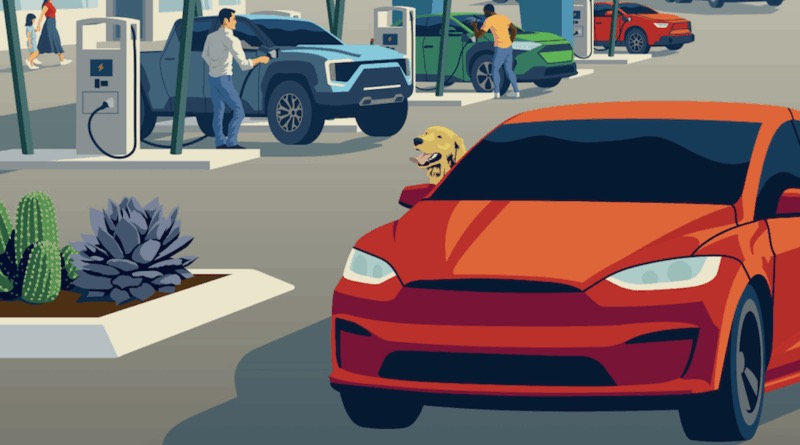
The United States' public DC fast charging network has surpassed 65,000 charging stalls as of November 2025, representing more than 20 percent year-over-year growth. This marks an increase of approximately 14,500 stalls since January 2025, when the network stood at roughly 51,000 stalls. The expansion continues at an average rate of about 45 new stalls per day, putting the network on track to reach 70,000 stalls by the end of Q1 2026. Source: EV Charging Stations.
The Tesla Supercharging network remains the largest with over 34,700 stalls and a 53 percent market share, down from 57 percent at the beginning of 2025 as other networks expand. Electrify America, EVgo, and ChargePoint follow with between 4,375 and 5,228 charging ports each. General Motors projects the network will exceed 80,000 stalls by the end of 2026 and reach 100,000 stalls before the end of 2027. EVgo forecasts approximately 137,000 DC fast charging stalls in the U.S. by 2030.
For Los Angeles property owners, the national charging network's growth creates a positive environment for EV adoption. As we covered in our analysis of California surpassing 200,000 EV chargers, the state leads the nation with 68 percent more charger ports than gasoline nozzles. Properties that install charging infrastructure join this expanding ecosystem, benefiting from network effects as more drivers adopt EVs confident in charging availability.
BYD Poised to Officially Overtake Tesla in 2025 Annual Sales
Chinese automaker BYD stands poised to officially surpass Tesla as the world's biggest electric vehicle company in annual sales when final 2025 figures are published. At the end of November, BYD had sold 2.07 million EVs in 2025, while Tesla is projected to finish the year with approximately 1.65 million sales, representing a 7.7 percent decline from 2024. Based on sales data through the year, analysts see almost no chance Tesla will retain its global leadership position. Source: The Japan Times.
The leadership change reflects BYD's aggressive expansion and competitive pricing strategy. In the European market, Tesla's November sales fell 11.8 percent year-over-year to 22,801 vehicles, while BYD's deliveries surged 221.8 percent to 21,133 vehicles. BYD's 1,000-kilowatt ultra-fast charging technology, which delivers 400 kilometers of range in five minutes, provides a technical advantage that reinforces its market position. The company now also dominates South Korea's import market in its first year of operations there.
For U.S. property owners, the global market shift has limited direct impact since BYD faces significant tariff barriers in the American market. However, the competitive pressure BYD creates drives industry-wide innovation in pricing and technology. As we discussed in our coverage of Ford's strategic pivot, American automakers are responding to global competition by developing more affordable EV options.
Rivian R2 On Track for First Half 2026 at 45,000 Dollar Starting Price
Rivian confirmed on its earnings call that the R2 electric SUV remains on track for production beginning in the first half of 2026 at a starting price of approximately 45,000 dollars. CEO RJ Scaringe stated the company is not planning to raise the starting price despite tariff challenges. Rivian has started assembling validation builds of the R2 and completed the extension that will house R2 production at its Normal, Illinois facility, which is expected to deliver up to 155,000 units annually. Source: Car and Driver.
Investment firm Baird raised its price target on Rivian to 25 dollars from 14 dollars, citing expected growth from the R2 launch and longer-term earnings potential. Baird's 2026 estimates assume first R2 deliveries in late second quarter with a steady ramp in the second half, forecasting approximately 15,100 R2 units among total 2026 deliveries of about 65,300 vehicles. The R2 is sized similarly to compact crossovers like the BMW X3 and Hyundai Tucson, with single, dual, and tri-motor configurations available and the largest battery providing over 300 miles of range.
Rivian's entry into the 45,000 dollar segment positions the R2 to compete directly with Tesla's Model Y. For property owners, Rivian's expansion from premium adventure vehicles to mainstream crossovers signals broadening EV adoption across income levels. The R2's target customer base includes suburban families who represent a significant portion of multifamily and commercial property visitors, reinforcing the value of accessible charging infrastructure.
Affordable EVs Arriving: 2027 Bolt at 29,000 Dollars and 2026 Leaf at 31,000 Dollars
America's most affordable new EVs are arriving in 2026, with the 2027 Chevrolet Bolt launching at 28,995 dollars and the redesigned 2026 Nissan Leaf starting at 31,485 dollars. Both models represent at least 3,000 dollars less than the next most affordable EV, the Chevrolet Equinox EV. The Bolt arrives in early 2026 with a 65 kilowatt-hour lithium iron phosphate battery providing 255 miles of estimated range and 10-to-80 percent DC fast charging in 26 minutes. Source: InsideEVs.
The 2026 Nissan Leaf has been reimagined as a small SUV with more modern styling, better range, and an upgraded interior. The larger battery option provides approximately 303 miles of range with 214 horsepower. Notably, the new Leaf includes both J1772 and NACS charging ports, supporting Plug and Charge and 150 kilowatt fast charging to 80 percent in about 35 minutes. Nissan plans to add an even cheaper base S trim with a smaller battery and shorter range. Source: Green Car Reports.
By the end of 2026, approximately 16 electric models will be available for less than 42,000 dollars new, compared to half that number currently. This expansion of affordable options addresses the primary barrier many consumers cite for not purchasing EVs. For property owners, the wave of affordable EVs means charging infrastructure will serve an increasingly diverse driver population. Level 2 charging at residential properties and workplaces becomes more valuable as more households can afford EVs and seek convenient overnight charging.
Tesla Loses Ground in Europe as Regional Competition Intensifies
Tesla's share in the European market fell in November as BYD continued rapid growth. The European Automobile Manufacturers' Association reported Tesla's sales declined 11.8 percent year-over-year to 22,801 vehicles, while BYD's deliveries rose 221.8 percent to 21,133 vehicles. The narrowing gap between the two manufacturers in Europe reflects BYD's aggressive market entry strategy and competitive pricing that resonates with European consumers facing economic pressures.
The European dynamic illustrates how regional market conditions can diverge significantly from global trends. While BYD leads globally and gains ground in Europe, Tesla maintains stronger positioning in the U.S. market despite declining sales. European automakers including Volkswagen, BMW, and Mercedes-Benz continue defending their home market with expanded EV lineups, creating a more competitive landscape than the U.S. market where domestic EV options remain more limited.
For Los Angeles property owners, European market dynamics offer lessons about how EV adoption can accelerate when multiple competitive options become available. As more affordable EVs reach the U.S. market from both domestic and international manufacturers, adoption rates could follow European patterns. Properties with charging infrastructure will be positioned to serve this expanded EV population.
What These Developments Mean for Los Angeles Property Owners
This Monday's developments underscore the growing momentum behind EV adoption and charging infrastructure. The U.S. DC fast charging network's 20 percent growth to 65,000 stalls demonstrates sustained investment in public infrastructure. This network expansion reduces range anxiety and supports EV purchases, benefiting properties that offer convenient Level 2 charging for daily needs.
BYD's global leadership shift and competitive pressure is driving the affordable EV wave that will reach American consumers in 2026. The 2027 Chevrolet Bolt at 29,000 dollars and 2026 Nissan Leaf at 31,000 dollars make EV ownership accessible to a much broader population. Rivian's R2 at 45,000 dollars brings premium EV features to the mainstream crossover segment. By late 2026, 16 EV models will be available under 42,000 dollars.
This democratization of EV access expands the potential user base for charging infrastructure. Properties that currently serve premium EV owners will increasingly serve middle-income households choosing affordable electric options. As we noted in our coverage of 2025 EV year in review, California's leadership position with 200,000 chargers creates an ecosystem where EV drivers expect charging access as a standard amenity.
Conclusion
As 2025 ends, the EV landscape shows clear momentum despite near-term market volatility. The U.S. DC fast charging network's growth to 65,000 stalls at 20 percent annually demonstrates infrastructure keeping pace with adoption. BYD's rise to global leadership intensifies competition that benefits consumers through innovation and pricing pressure. The arrival of sub-30,000 dollar EVs in 2026 removes the primary barrier many consumers cite for not purchasing electric vehicles. For Los Angeles property owners, these developments reinforce the strategic value of investing in charging infrastructure now, while utility rebate programs remain available and before the affordable EV wave creates surge demand for charging access. Shaffer Construction helps property owners navigate these decisions through comprehensive electrical load studies that plan for current and future charging needs.
Ready to explore EV charging options for your Los Angeles property? Contact Shaffer Construction, Inc. for a complimentary site assessment and expert guidance on selecting the right charging solution for your needs.
Shaffer Construction, Inc.
325 N Larchmont Blvd. #202
Los Angeles, CA 90004
Phone: (323) 642-8509
Email: [email protected]
Website: www.shaffercon.com