
Residential Ev Charger Installation in Altadena
Altadena's foothills homes, many in Eaton Fire rebuild zones, face a real challenge with EV charging: older electrical panels, buried conduit, and complex layouts make Level 2 installations more involved than newer areas. Your 240-volt circuit might need panel upgrades, permits, or careful routing around your foundation. Tesla Wall Connectors, ChargePoint, Wallbox, these chargers are solid, but the electrical path to your garage often isn't straightforward. You need a licensed local crew that understands Altadena's building stock and rebuild codes, and can get you charging safely without delay.
Planning an EV charging project beyond this local installation? These pages cover the broader Los Angeles installation and electrical-capacity process.
Local proof
EV Charger Installation local planning in Altadena
Local electrical work is not just a generic service list. In Altadena, the practical plan depends on the utility, permit path, property type, parking layout, and inspection access before installation starts.
Utility planning
Southern California Edison service capacity can affect EV chargers, panel upgrades, dedicated circuits, and larger commercial electrical work.
Permit path
Projects in Altadena commonly require county permit coordination, utility capacity review, and careful planning for older homes, rebuild work, hillside conditions, and detached parking areas.
Property context
Altadena includes older single family homes, hillside properties, rebuild sites, accessory structures, and detached garages where panel location, grounding, and service capacity deserve early review.
What we check before work starts
These checks help the page match real local job conditions, and they give customers clearer reasons to call before buying equipment or opening a permit.
Available electrical capacity, charger amperage, load management options, and whether Altadena properties need a load study before EV charging is added.
Parking layout, charger placement, conduit route, voltage drop, weather exposure, and inspection access.
Rebate paperwork, permit documentation, utility service planning, and future charger expansion for homeowners.
Parking and commercial context
Detached garages, long driveway runs, carports, and rebuild parking layouts can affect EV charger placement, trenching, conduit routing, and voltage drop.
Local commercial work is often smaller site service, exterior lighting, dedicated equipment circuits, panel repair, and tenant improvement electrical coordination.
Nearby service context
EV charging scope
EV Charger Installation planning in Altadena
A good EV charger installation in Altadena starts with load capacity, charger placement, conduit routing, breaker sizing, and inspection requirements. We plan the electrical path before installation so the charger is reliable, serviceable, and ready for daily use.
Load and panel review
We check available capacity, panel condition, feeder limits, and whether the project needs a load study or panel upgrade before quoting the final path.
Charger location planning
We plan wall mounted chargers, pedestals, parking clearances, conduit runs, and weather exposure so the finished installation fits the property.
Permits and inspection
We prepare the electrical scope for permit review, installation, labeling, and inspection so the work is documented correctly.
Our Work
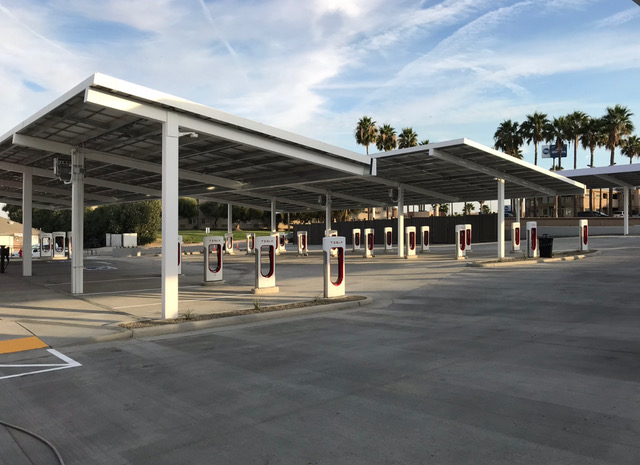
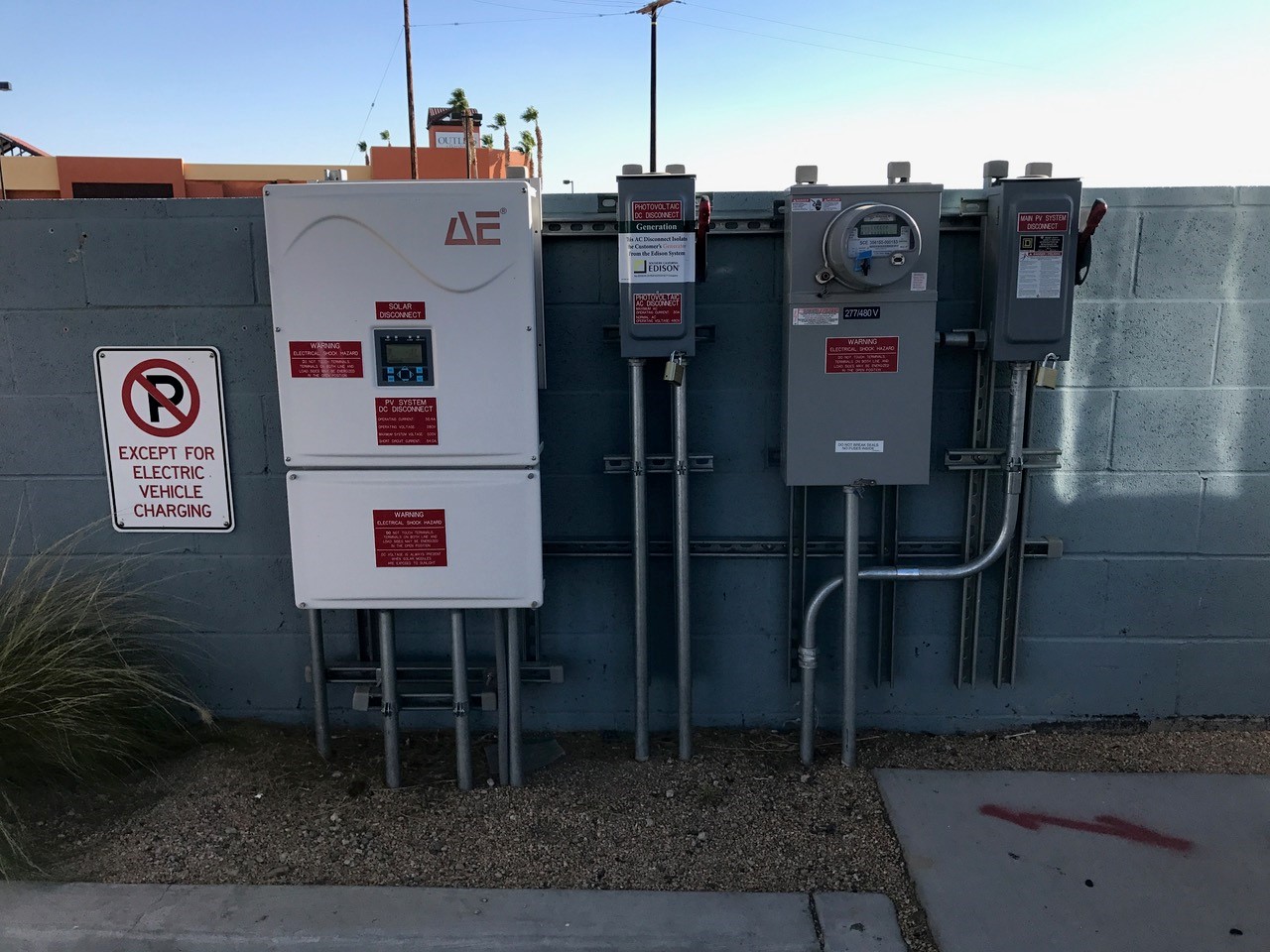
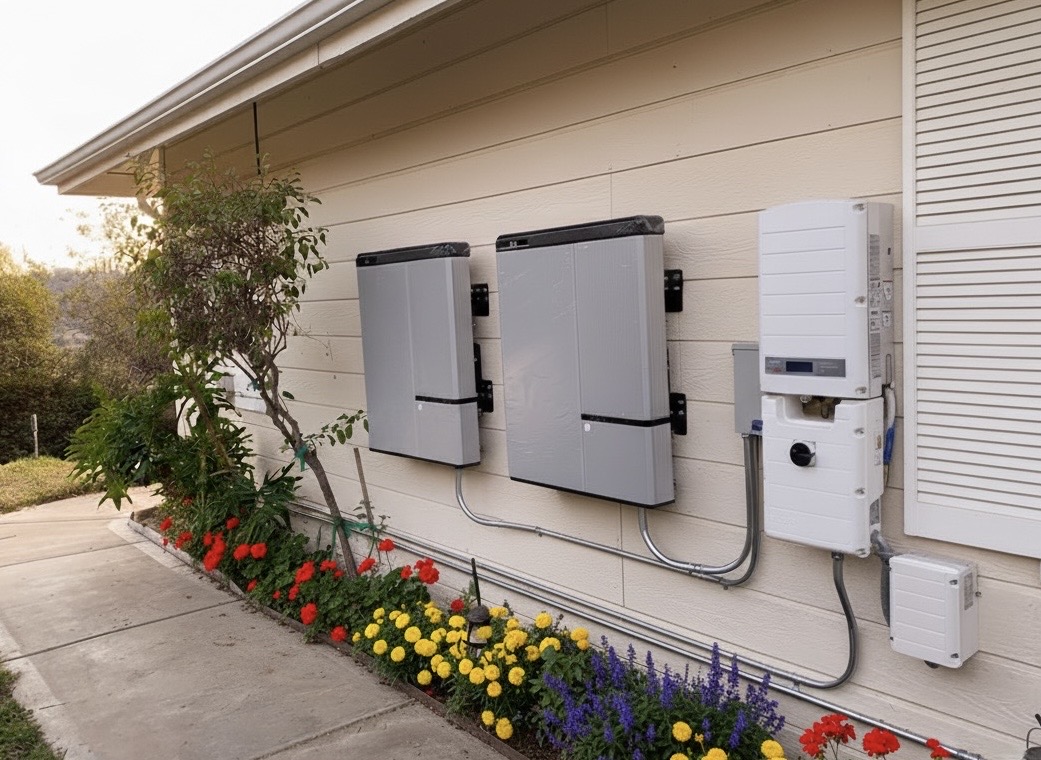
Benefits
Smarter, future-ready charging
We design EV charging that adapts as your needs and household evolve. Options include Wi-Fi smart chargers with dynamic load balancing, energy monitoring, and off-peak scheduling; OCPP-capable units for future utility and V2G integrations; and UL-listed load management devices (DCC, Eaton modules) when a full service upgrade isn’t immediately practical. For fire recovery rebuilds, we design systems with future expansion in mind: sized wiring for multiple EVs, integrated whole-home surge protection, clear labeling, and strategic conduit paths so adding a second charger or upgrading amperage later is seamless and cost-effective.
Permits and code expertise
Shaffer Construction handles permitting and inspections end to end. Our installations follow the 2022 California Electrical Code (NEC 2020), including Article 625 for EVSE, Article 220 for load calculations, 210.8 GFCI requirements for 240V receptacles in garages, 230.67 service surge protection, and enhanced fire safety standards for wildfire-prone foothill areas. We coordinate with LA County Building and Safety, provide as-built documentation for fire recovery rebuilds, and ensure labeling, working clearances, grounding, and fire-resistant installations meet county, utility, and insurance requirements for rebuilding in fire-affected zones.
Quality you can trust
We use premium materials sized for foothill and fire-prone conditions: copper THHN/THWN-2 conductors, EMT or Schedule 40/80 PVC for underground runs, NEMA 3R outdoor enclosures, and listed fittings rated for extreme weather and fire exposure. Breakers and panels from Siemens, Eaton, and Square D ensure compatibility and long-term availability. Terminations are torqued to manufacturer specs, circuits are tested for voltage drop and GFCI function, and all penetrations are sealed for weather and fire resistance. For rebuilding projects, we integrate fire-rated construction practices and strategically position equipment for safety and longevity. The result is a clean, safe, resilient installation built to last and withstand future wildfire threats.
Designed around you
Every project begins with a detailed assessment: driving patterns, parking location, utility meter position, panel capacity, fire recovery rebuilding plans, and any aesthetic or hillside development constraints. We present charger options (NEMA 14-50 receptacle or hardwired EVSE), mounting locations, conduit routes, and upgrade paths if you plan a second EV or are rebuilding your electrical system. Your plan includes a transparent cost estimate, timeline, and integration with fire recovery construction schedules if applicable. Once approved, we finalize drawings for permitting and schedule installation to minimize disruption and coordinate with other rebuilding contractors.
What We Offer
Frequently Asked Questions
Do I need a permit in Altadena for a Level 2 EV charger at home?+
Yes. LA County Building and Safety requires an electrical permit for EVSE installations and any panel upgrades. We handle the application, load calculations, and site plans. For fire recovery rebuilds, we coordinate EV charging permits as part of your overall rebuilding permit process. Most projects involve one inspection; panel upgrades or new service installations may require additional inspections. Typical approval plus inspection is 2–4 weeks depending on county workload and rebuild complexity.
Will my existing panel support a 40–50A charger, or do I need an upgrade?+
Many older Altadena homes, especially historic Craftsman bungalows, have 100A or 150A services that may be near capacity. We perform a formal Article 220 load calculation to determine available capacity. If insufficient, we recommend either a 200A panel upgrade or a listed load management device that intelligently sheds the EV circuit during peak household demand. For fire recovery rebuilds, we design new 200A or 400A services with dedicated EV circuits from the start, ensuring ample capacity for modern living and future needs.
Can you install a charger for properties rebuilding after the Eaton Fire?+
Absolutely. We specialize in fire recovery electrical rebuilds and work closely with homeowners, builders, and architects to integrate EV charging into new electrical system designs. Rebuilding offers the opportunity to install modern 200A–400A services, dedicated EV circuits, whole-home surge protection, backup power systems, and fire-resistant installations from the ground up. We coordinate permits with LA County, ensure compliance with enhanced fire safety codes for wildfire-prone foothill areas, and deliver future-ready charging solutions as part of your comprehensive rebuild. Shaffer Construction is deeply committed to supporting Altadena’s recovery.
What about long driveway runs to detached garages on hillside lots?+
Hillside and foothill properties often have longer runs from the main panel to detached garages or parking areas. We perform voltage drop calculations and upsize conductors as needed to maintain full charging performance. We evaluate the best installation method, attic runs, surface-mounted EMT along property lines, or underground trenching with PVC, and ensure proper grounding, GFCI protection, and fire-resistant installations. For rebuilds, we design conduit pathways that integrate seamlessly with new construction and landscaping restoration.
Picture your rebuilt Altadena home, whether restoring after the Eaton Fire or upgrading near Loma Alta, with a Level 2 charger that works right. Your Tesla Wall Connector or Wallbox hardwired to a fresh circuit, cleanly routed to your panel. No workarounds. No future surprises. Just the power to charge overnight and take road trips without anxiety. That's what we deliver. Permitting handled. Load study done. Panel upgrade, if needed, spec'd and installed to Altadena code. Your charger's ready when you move in (or when you finish rebuilding). We've been doing this for 25 years: 1,000+ projects in Los Angeles, with active Eaton Fire rebuild work. Triple CSLB license (A, B, C-10) means we pull permits, design load studies, and handle electrical in-house; no outsourcing, no guessing at your panel. Because Shaffer Construction is owner-led, the crew installing your charger works to the same standard we'd expect in our own homes. That matters when your property is healing from fire damage or sits in foothills where shortcuts cause problems. Ready to charge right? Call us at (323) 642-8509 or email hello@shaffercon.com. We'll walk your panel, scope the run to your garage, and give you a straight answer. Let's get you charging.
Related Services in Altadena
Ready to Get Started?
Contact us today for a free consultation and quote on your electrical project!
Contact Us