
Venetian Plaster vs. Limewash: Choosing a Wall Finish
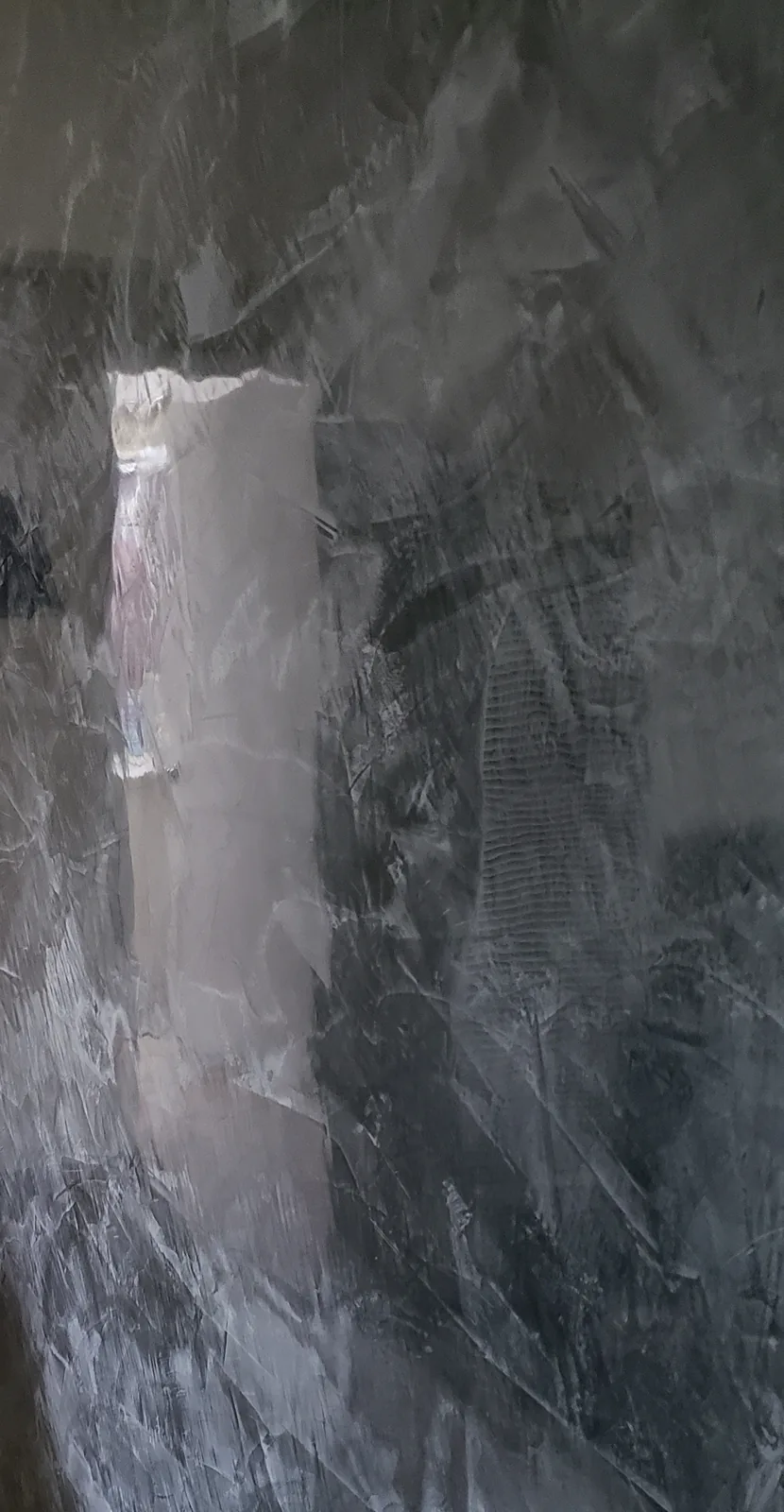
A wall can have movement without feeling busy. It can look soft in daylight and become the focal point when the lamps come on. Venetian plaster and limewash both appeal to homeowners looking for that depth, but the names are not interchangeable. Start with the surface you want to live with, then choose the material and application that can deliver it.
At Shaffer Construction, the conversation starts with the room: its light, existing walls, adjacent finishes, and how the space is used. Browse our Los Angeles Venetian plaster and decorative finish portfolio while you compare the options below.
The practical difference
Limewash is generally a brushed lime-based coating. Decorative plaster is typically trowel-applied, with the application and finishing creating texture, movement, and varying levels of sheen. The exact product matters: manufacturers offer different formulations and finishes rather than one universal “lime” treatment. Romabio’s product ranges, for example, distinguish limewash, mineral paints, and plaster systems. A photo alone cannot identify the formula used.
Choose the visual effect first
If you like a soft, cloudy wall with quiet variations in color, bring references that show that effect. If you want a richer surface that catches light, look at polished or burnished plaster samples. “Venetian” does not have to mean a mirror-like shine, and a matte-looking reference does not tell you whether the finish is paint or plaster.
The dark finish pictured above has overlapping tonal areas and bright reflections. That combination gives a relatively simple wall visual weight. In a room with strong artwork or patterned furniture, a quieter sample may be the better balance. On a single feature wall, a more expressive application can carry the design.
Judge samples in the actual room
Hold a sample vertically, not flat on a table. Look at it near the window, beside the intended wood or stone, and under the evening lighting. A finish that feels restrained in a showroom can read very differently beside a wall-washing light. Review the amount of movement as well as the color: two samples in the same shade can have completely different personalities.
Before approving the direction, decide whether you prefer broad tonal variation, smaller trowel marks, a directional texture, or a relatively quiet surface. Photographs help communicate the goal, but a physical sample gives you something more concrete to compare.
Preparation belongs in the comparison
Ask what has to happen to the existing wall before either finish goes on. Old repairs, heavy texture, uneven corners, damaged paint, and moisture problems are separate questions from the decorative finish itself. Compare estimates using the same preparation scope, rather than assuming a lower price includes all the same work.
A good planning discussion also covers outlet plates, trim, inside corners, built-ins, and where the finish stops. Those transitions are especially noticeable on an otherwise clean feature wall. See our guide to what affects Venetian plaster installation cost for a useful estimate checklist.
Consider daily use and care
A low-touch living-room wall and a splash-prone vanity wall need different conversations. Ask for the selected system’s cleaning and protection instructions, and how future touch-ups would be handled. For wet areas, read our bathroom and fireplace finish planning guide before choosing a look purely from a photograph.
Bring the room, not just the color
Send a wide photo of the space, a close-up of the existing wall, approximate dimensions, and two or three finish references. Tell us which quality you like in each reference: the sheen, texture, color, or overall mood. Request a plaster estimate from Shaffer Construction and we can help turn that direction into a clear scope.